Richard T. Clark Global Health Programs
These philanthropic leadership programs allow MSD employees to help make a difference in the lives of others and engage in important projects that contribute to our focus on expanding access to health globally.
We're helping NGOs address some of the world’s most pressing health challenges
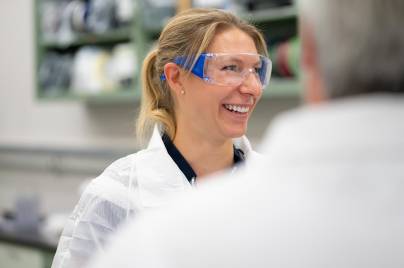
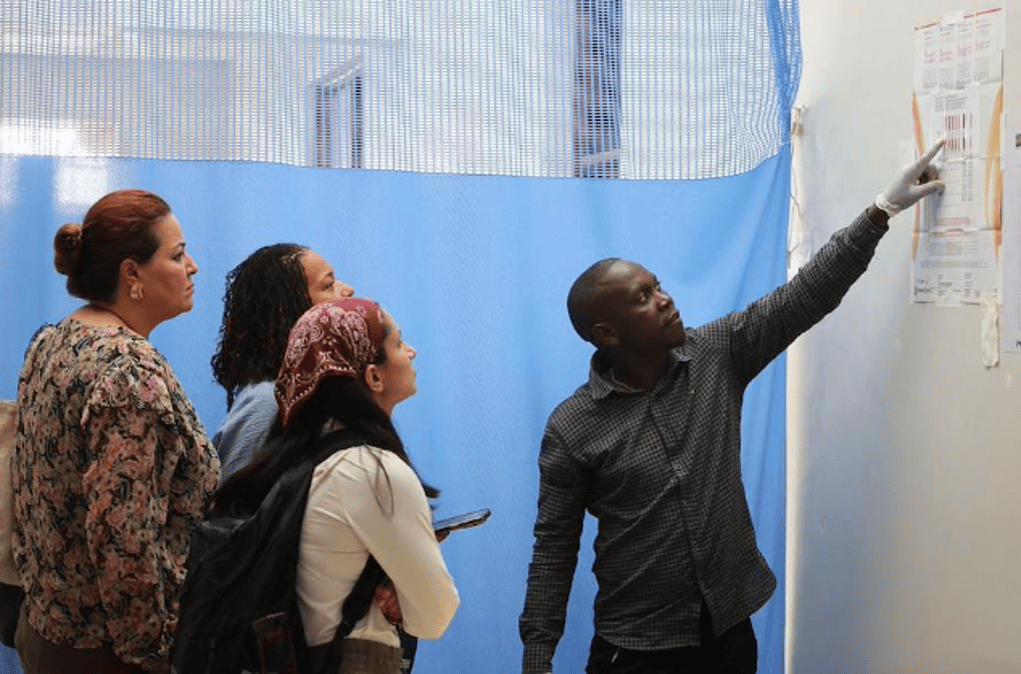
The Richard T. Clark (RTC) Global Health Programs connect MSD talent with non-governmental organizations (NGOs) worldwide with the goal to strengthen communities, accelerate impact and foster leadership growth. The programs are named in honor of Richard (Dick) T. Clark, our former CEO, chairman and president, whose visionary leadership helped position our organization as a respected humanitarian changeagent on the world stage.
Our programs at a glance
We offer two programs to connect MSD talent with global NGO partners: The RTC Fellowship for Global Health and RTC Global Health Pathfinders, both impact-driven initiatives designed to solve critical global health challenges. Whether through immersive field placements or flexible virtual projects, the programs pair skilled professionals with global NGOs to implement sustainable, long-term healthcare solutions in underserved communities.
RTC Fellowship for Global Health
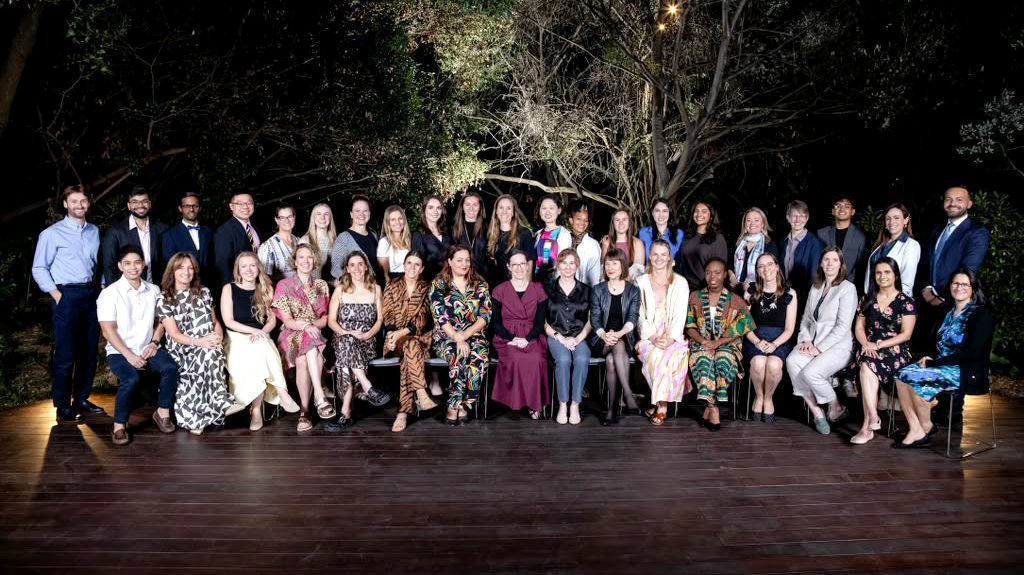
Established in 2012, the RTC Fellowship develops future leaders through immersive placements with NGOs worldwide, enabling employees to contribute directly to efforts that improve health outcomes and expand access to health. The program structure for 2027 will span 14 weeks, including eight weeks in country of the NGO, four weeks virtual, and professional development workshops at the start and conclusion of the experience.
RTC Global Health Pathfinders
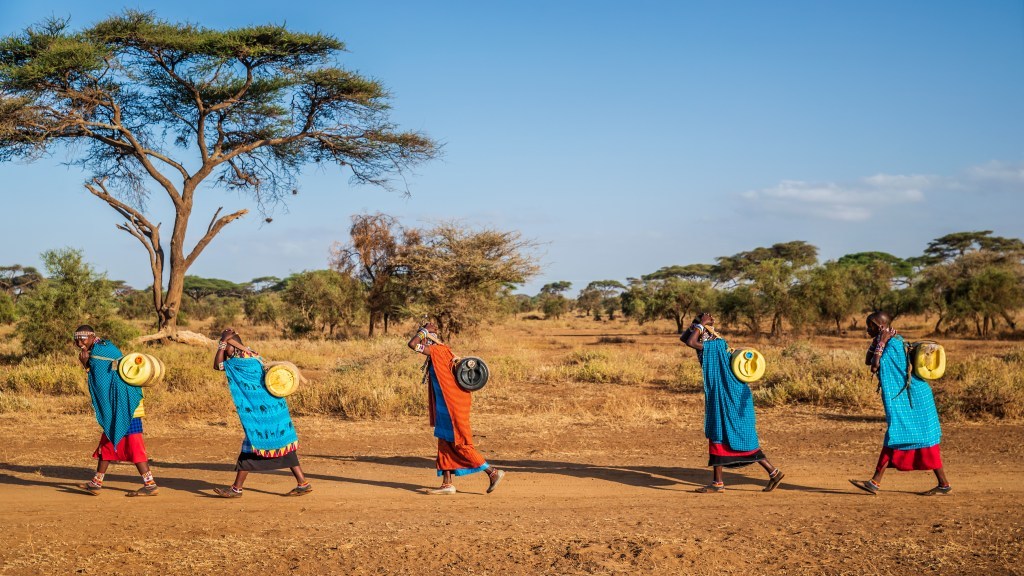
Established in 2026, the RTC Pathfinder is a six-month, fully virtual complement to the RTC Fellowship. Designed for collaboration across time zones and functions, it offers employees flexible, skills-based opportunities to remotely tackle global health challenges while maintaining their day-to-day roles.
Our impact by the numbers
Whether looking to understand the patient journey more closely, achieve hands-on experience addressing a health challenge or delve deeper into areas of unmet need, our global health programs give employees, along with the NGO partners and our company, the opportunity to benefit deeply from their assignments.
We've had 402 employees participate as fellows since we established the RTC Fellowship in 2012.
We've had 28 employees participate as pathfinders since we established the RTC Pathfinders program in 2026.
We've worked with 55 NGO partners globally since we established our first program in 2012.
We've worked with NGO partners in 45 countries since we established our first program in 2012.
FAQs about our programs
What are the goals of the programs?
Each year, approximately 60 employees from around the world are selected as either RTC Fellows or RTC Pathfinders and placed on teams to support the efforts of non-profit organizations, often referred to as NGOs. The RTC Global Health Programs goals are to:
- Strengthen the capacity of local health systems and expand patient access to health by embedding employees with NGO partners to co-create scalable, sustainable solutions.
- Equip our employees with the skills to lead with agility, innovation and impact, and ensure practical application via NGO project work.
- Build leaders who can inspire and drive continuous improvement across the organization, accelerating company-wide innovation, problem solving and resilience.
What do you look for in program partners?
Our NGO partners vary from year to year and have proven expertise and success in driving solutions that expand access to health in meaningful and sustainable ways. Their efforts range from improving the availability of clean water to designing outreach programs that connect families with health and social services to reinforcing infrastructure for consistent follow-up and continuity of care. Please note that all partners must be registered non-profit organizations.
How do NGOs apply and what’s the selection criteria?
Applications for the RTC Fellowship and RTC Pathfinder programs are offered once annually, with applications opening in Q4. Selected NGOs are notified by Q1 of the following year, with projects beginning at the end of Q2. Eligible applicants are registered non-profit organizations (NGOs) working to improve health outcomes, strengthen health systems or expand access to health, particularly in underserved communities.
Organizations selected for either program work closely with their assigned RTC Fellows or Pathfinders to refine the project scope, prepare for collaboration and implement activities throughout the engagement. Learn more in our RTC Program overview.
What are the focus areas and intervention types of the programs?
Focus areas
- Animal welfare
- Infectious diseases
- Maternal and child health
- Non-communicable diseases
- Nutrition
- Sexual and reproductive health
- Water, sanitation, hygiene
Intervention types
- Community immunization initiatives
- Education
- Screening and early detection
- Nutrition programs
- Distribution of prevention tools
- Community health outreach
- Biomedical research
- Epidemiological studies
- Training healthcare or NGO workers
- Infrastructure development
- Healthcare information systems
Apply now to be an NGO partner and grant recipient

The world needs your next big idea to improve access to health
We’ll help you make it happen.
Who have we partnered with over the years?
2013
- Boston University Center for Global Health and Development (BU CGHD) (Zambia)
- Center for Catalyzing Change (CEDPA) (India)
- Drugs for Neglected Diseases Initiative (DNDi) (India)
- Hindustan Latex Family Planning Promotion Trust (HLFPPT) (India)
- International Centre for Diarrhoeal Disease Research, Bangladesh (ICDRR,B) (Bangladesh)
- Medicines for Malaria Venture (MMV) (Switzerland)
- PanAfricare (Zambia)
- Pathfinder International (India)
- Physicians for Peace (Virgina, USA)
- Population Services International (PSI) (Several countries in Africa)
- Program for Accessible Health, Communication and Education (PACE) (Uganda)
- Project HOPE (Namibia, South Africa, Malawi and Mozambique)
- Save the Children (Bangladesh)
2014
- Association of Women’s Health, Obstetric and Neonatal Nurses (AWHONN) (United States)
- Bio Ventures for Global Health (BVGH) (Cameroon, Ghana, and Kenya)
- Catholic Medical Mission Board (CMMB) (United States)
- Center for Catalyzing Change (CEDPA) (India)
- Jacaranda Health (Kenya)
- Jhpiego (India)
- Marie Stopes International (Kenya)
- Operation ASHA (India)
- Pathfinder International (India)
- Possible Health (Nepal)
2015
- Bio Ventures for Global Health (BVGH) (Cameroon, Ghana, and Kenya)
- Boston University Center for Global Health and Development (BU CGHD) (Zambia)
- Center for Catalyzing Change (CEDPA) (India)
- Hindustan Latex Family Planning Promotion Trust (HLFPPT) (India)
- Infectious Disease Research Institute (IDRI) (Global; Traveled to Seattle, USA)
- International AIDS Vaccine Initiative (IAVI) (Sub-sarahan Africa)
- Jhpiego (India)
- MSD Wellcome Trust Hilleman Laboratories (India)
- PanAfricare (Zambia)
- Pathfinder International (India)
- Possible Health (Nepal)Program for Accessible Health, Communication and Education (PACE) (Uganda)
2016
- CerviCusco (Peru)
- Infectious Disease Research Institute (IDRI) (South Africa)
- International AIDS Vaccine Initiative (IAVI) (Sub-Sarahan Africa; Traveled to Kenya)
- Jhpiego (Lesotho)
- PanAfricare (Senegal)
- Project HOPE (South Africa)
- Purdue University (Tanzania)
- Sightsavers (Tanzania)
2017
- Africa Resource Centre (Senegal)
- Bio Ventures for Global Health (BVGH) (Mozambique)
- CerviCusco (Peru)
- International AIDS Vaccine Initiative (IAVI) (Kenya, South Africa)
- Jhpiego (India)
- Mission Rabies (Malawi)
- Pacific Northwest Research Institute (PNRI) (Sub-Saharan Africa; Traveled to Seattle, USA)
- PanAfricare (Malawi)
- Program for Accessible Health, Communication and Education (PACE) (Uganda)
- Project HOPE (Dominican Republic)
2018
- Africa Resource Centre (Senegal)
- Bio Ventures for Global Health (BVGH) (Kenya)
- Bio Ventures for Global Health (BVGH) (Rwanda)
- Infectious Disease Research Institute (IDRI) (South Africa)
- Jhpiego (India)
- PanAfricare (Senegal)
- Population Services International (PSI) (Kazakhstan)
- Purdue University (Tanzania)
- Sightsavers (India)
2019
- Africa Resource Centre (Senegal)
- Bio Ventures for Global Health (BVGH) (Kenya)
- Bio Ventures for Global Health (BVGH) (Rwanda)
- CerviCusco (Peru)
- Infectious Disease Research Institute (IDRI) (Seattle, Washington, U.S.)
- Jhpiego (Indonesia, Kenya)
- Mission Rabies (India)
- North Star Alliance (South Africa)
- One Health Trust (OHT) (Formerly, The Center For Disease Dynamics, Economics & Policy (CDDEP) (India)
- PanAfricare (Senegal)
- Purdue University (Tanzania)
2020
The program was paused due to COVID-19.
2021
- Bio Ventures for Global Health (BVGH) (Rwanda)
- Bio Ventures for Global Health (BVGH) (Côte d’Ivoire and Nigeria)
- North Star Alliance
- One Health Trust (OHT) (Formerly, The Center For Disease Dynamics, Economics & Policy (CDDEP) (India)
- PanAfricare
- PharmAccess
- Rare Diseases South Africa (RDSA) (South Africa)
- Seeding Labs
- University of Cape Town Drug Discovery & Development Centre (H3D)
- Worldwide Veterinary Service (WVS)
2022
- Mothers2Mothers (Sub-Saharan Africa)
- Carter Center (Chad)
- CerviCusco (Peru)
- Drugs for Neglected Diseases Initiative (DNDi) (Democratic Republic of Congo, India, Latin America)
- One Health Trust (OHT) (Formerly, The Center For Disease Dynamics, Economics & Policy (CDDEP) (India)
- PANIAMOR (Costa Rica)
- Project HOPE (Indonesia)
- Seeding Labs (Europe, Sub-Saharan Africa, Asia)
- University of Dundee (Ghana)
- White Ribbon Alliance (Global)Worldwide Veterinary Service (WVS) (Galapagos Islands)
2023
- Carter Center (Chad, Traveled to Atlanta, US)
- Mothers2Mothers (South Africa)
- One Health Trust (OHT) (Formerly, The Center For Disease Dynamics, Economics & Policy (CDDEP) (India)
- PanAfricare (Senegal, Traveled to Zambia)
- PANIAMOR, Costa Rica
- SolidarMed (Zimbabwe, Traveled to Zambia)
- University of Dundee (Brazil)
- White Ribbon Alliance (Global, Traveled to Washington, D.C., US)
- Worldwide Veterinary Service (WVS) (India)
- YouWeCan (India)
2024
- De La Salle University (Philippines)
- Drugs for Neglected Diseases Initiative (DNDi) (India)
- Mothers2Mothers (South Africa)
- One Health Trust (OHT) (Formerly, The Center For Disease Dynamics, Economics & Policy (CDDEP) (India)
- Safe Water Network (India)
- Save the Children (Rwanda)
- SolidarMed (Kenya)
- University of Dundee (Southeast Asia, (Traveled to Scotland)
- Worldwide Veterinary Service (WVS) (Cambodia)
- YouWeCan (India)
2025
- Africa Clinical Research Network (ACRN) (South Africa)
- Don Amolo Memorial Kids Ark (DAMKA) (Kenya)
- North Star Alliance (South Africa)
- PANIAMOR (Costa Rica)
- Philippine Cancer Society (PCS) (Philippines)
- Safe Water Network (India)
- Worldwide Veterinary Service (WVS) (India)
2026
- Asociación Civil Franciscana Pata Pila (Argentina)
- BIO Ventures for Global Health (BVGH) (Rwanda)
- Don Amolo Memorial Kids’ Ark (DAMKA) (Kenya)
- Fundación Cecilia Rivadeneira (FCR) (Ecuador)
- PanAfricare (Senegal)
- Patient and Community Welfare Foundation of Malawi (PAWEM) (Malawi)
- Rare Disease Ghana Initiative (RDGI) (Ghana)
- Safe Water Network (Ghana)
- We Want Life (Egypt)
- Worldwide Veterinary Service (WVS) (Thailand)

Explore job opportunities
The RTC Fellow and Pathfinder selection process, preparation activities, manager support and reintegration activities all align with our objectives to attract, develop and retain the best and brightest talent.