
Cardiometabolic and respiratory diseases
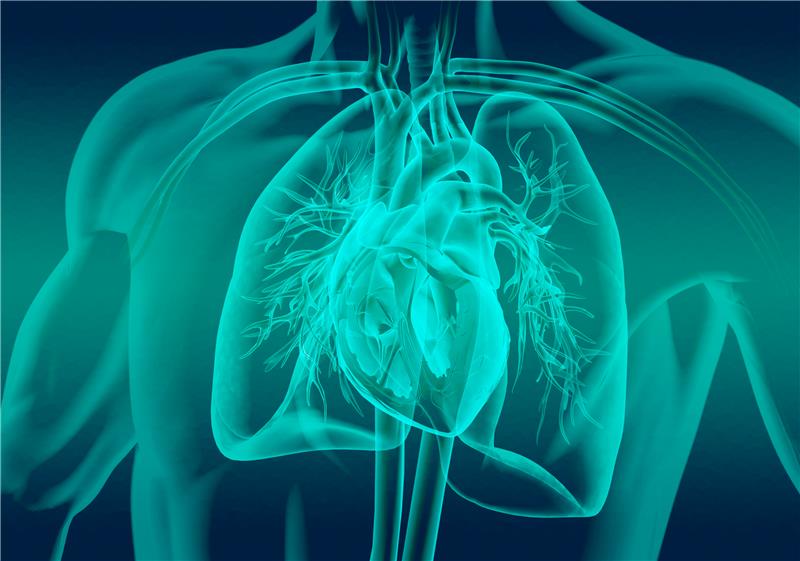
We have a long history of making an impact on diseases that affect the heart and lungs. Today, we continue to advance cardiometabolic and respiratory-related research with the goal of addressing some of the world’s most serious health challenges.
Our focus on cardiometabolic and respiratory research and treatments
Building on a legacy that began nearly 70 years ago with the introduction of our first cardiovascular (CV) therapy, we strive for scientific excellence and are committed to advancing research for patients impacted by cardiometabolic and respiratory diseases. Our focus spans a range of cardiometabolic and respiratory diseases, including atherosclerotic cardiovascular disease (ASCVD), pulmonary hypertension and chronic obstructive pulmonary disease.
Hypercholesterolemia
About 24% of adults worldwide have hypercholesterolemia, also known as high cholesterol. Hypercholesterolemia, a type of hyperlipidemia, is a lipid disorder in which there are high LDL cholesterol (LDL-C) levels in the blood. Elevated LDL cholesterol is a major causal risk factor for ASCVD, a leading cause of death. People who have elevated LDL cholesterol levels often have no symptoms, so they may not know they have high LDL cholesterol.
The silent CV epidemic continues to be one of the most serious global health challenges. There were about 20.5 million annual deaths worldwide from CV disease in 2021.
Pulmonary arterial hypertension (PAH) and the syndrome of combined post- and precapillary pulmonary hypertension and heart failure with preserved ejection fraction (CpcPH-HFpEF) are both serious, potentially life-threatening forms of pulmonary hypertension — high blood pressure in the lungs — with distinct characteristics and causes.
PAH
PAH is a rare and life-threatening condition that progressively worsens. It is a type of high blood pressure in the small arteries of the lungs. This condition occurs when these vessels thicken, narrowing the space for blood to flow and leading to increased pressure in the pulmonary circulation. As a result, the right side of the heart must work harder to pump blood through these arteries. Over time, the right side of the heart can become weakened and lose function.
PAH has similar symptoms to other common lung diseases, such as asthma, which can make it difficult to diagnose.
CpcPH-HFpEF
CpcPH is a subtype of pulmonary hypertension caused by left heart disease (PH-LHD), also known as Group 2 PH. CpcPH is associated with poorer outcomes compared to other types of Group 2 PH and can be difficult to treat because it involves both advanced left-sided heart disease and progressive remodeling of the pulmonary vasculature. Increasing pulmonary pressures can be a sign of disease progression in HFpEF and, in some patients, this progression leads to CpcPH, a more advanced and severe form of Group 2 pulmonary hypertension.
CpcPH-HFpEF is thought to be underdiagnosed, in part because it requires invasive hemodynamic testing to confirm. There are no treatments specifically approved for CpcPH-HFpEF today.
Chronic obstructive pulmonary disease (COPD)
COPD is a progressive respiratory condition that causes restricted airflow and breathing problems. Emphysema and chronic bronchitis are the two most common types of COPD. Common symptoms of COPD include shortness of breath, a persistent cough (with or without mucus), wheezing, chest tightness or heaviness and fatigue. Smoking and breathing air pollution for a long time are the most common causes and there is no cure for COPD.
An estimated 390 million people were living with COPD worldwide as of 2019*, and COPD is the fourth leading cause of death worldwide.
*Based on the definition from GOLD (Global Initiative for Chronic Obstructive Lung Disease), an organization that provides resources for the diagnosis and management of COPD.