Science Visual Infectious Disease

HIV

We continue to push the boundaries of HIV science because unmet medical need still endures. Ending the HIV epidemic remains our ultimate goal.

Advancing research on HIV treatment and prevention

For over 40 years, we’ve been committed ally in the fight against HIV, helping to provide options for the way HIV is treated. Our research has continued to evolve with the needs of the community as we work to expand options for the millions of people living with HIV worldwide.

Faces behind our HIV research

Meet two scientists at the forefront of our HIV research

The field of HIV research has changed drastically in the past 40 years. These two esteemed scientists share their motivations and hopes for the future of HIV research.

Working together with the HIV community with a goal to end the epidemic

We’ve been committed to advancing science for the treatment and prevention of HIV since the beginning of the HIV epidemic, but we know it takes all of us to make a difference. Learn more about the vibrant community of people living with HIV, advocates and researchers who are working together to ensure lives aren’t defined by HIV.

Collage of patients

Real life with HIV

For the millions of people living with HIV worldwide, managing their health is just one part of a complex life. Learn more

Three HIV advocates smiling for a photo

HIV community advocates spark a global conversation

Meet three HIV advocates who are using their stories to uplift, confront stigma and create spaces of healing and hope across continents. Learn more

Rebeca Plank, M.D., Ph.D. (right) and Joan Nabawanuka, community liaison officer at MU-JHU Care Ltd., meet with Kibuuka Yahaya Galabuzi, local leader of Katiko Fishing Village in the Mityana district

Building trust and advancing inclusion: Our approach to clinical trials in Uganda

In Uganda, where women are disproportionately impacted by HIV, our community-based research prioritizes meeting patients where they are. Read more

A legacy of HIV research

Since 1985, MSD has been engaged in research in the treatment of HIV — having made significant discoveries that helped to provide options for the way HIV is treated. Today, we continue to conduct research and partner with industry peers to advance potential new treatments for HIV and for its prevention. Learn more about our history.


Resize icon Close icon
Previous
Next
  • People marching with a fighting for our lives banner
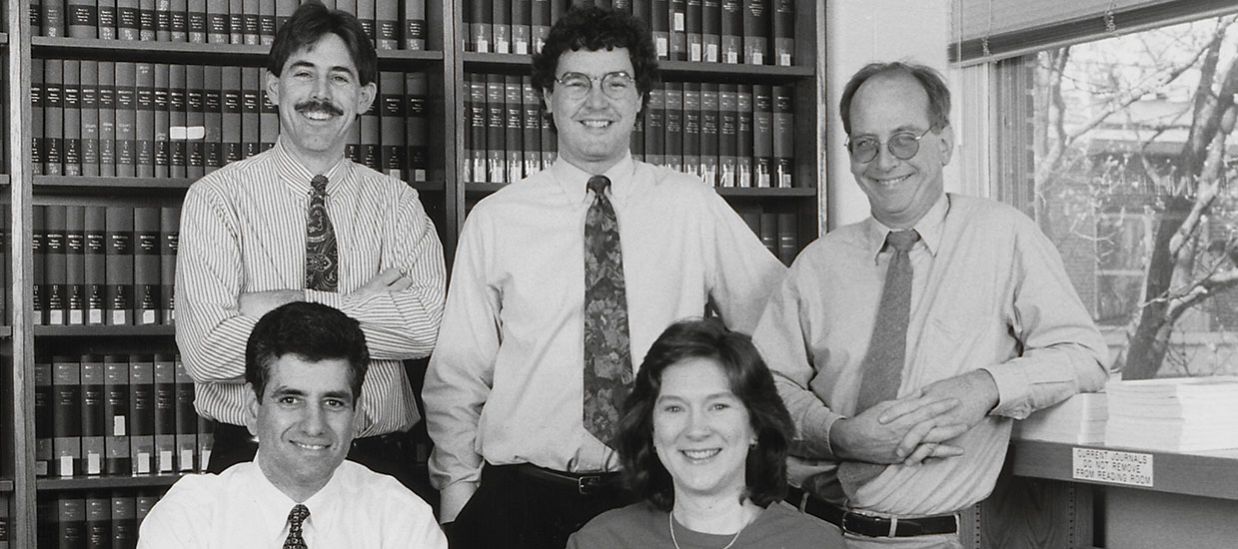
  • A group of scientists
  • MSD scientist studies the structure of the HIV-1 protease
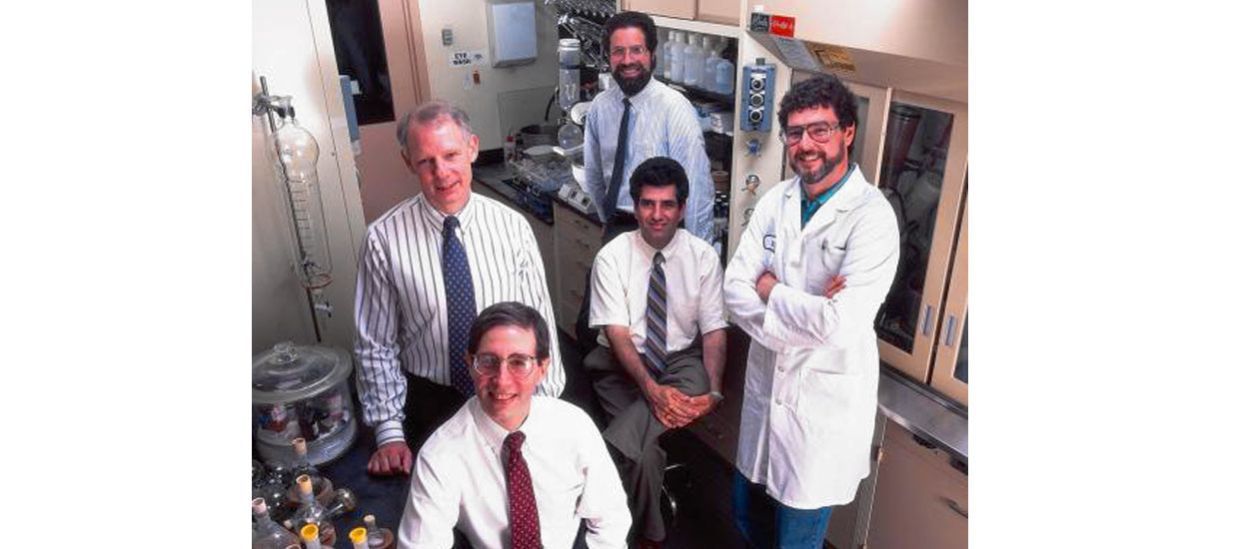
  • The HIV protease team
  • Linda Distlerath works in office
  • A vial of blood being checked for HIV
  • The HIV/AIDS quilt shown in Washington DC
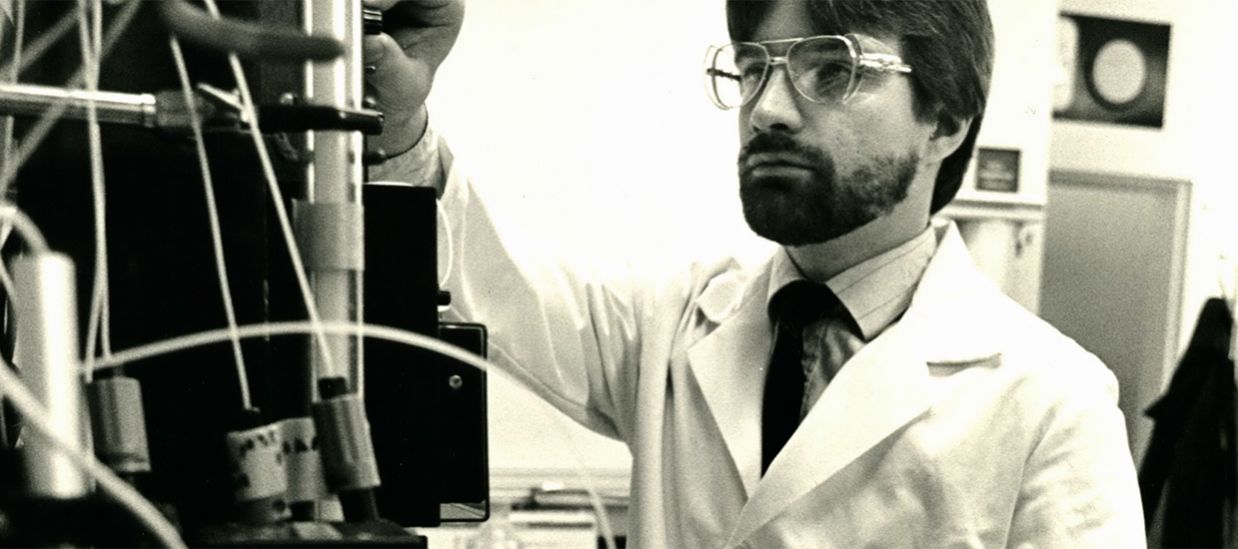
  • Scientist in the lab
  • Woman standing on the road
Previous
Next
  • In 1982, the U.S. Centers for Disease Control and Prevention first used the term “AIDS,” or acquired immune deficiency syndrome, to describe the clinical syndrome caused by the human immunodeficiency virus (HIV).
  • In the mid-1980s, MSD launched its HIV research program in response to what it perceived as a potential epidemic. Our scientists were among the first to discover and develop medicines for the treatment of HIV.
  • We were the first to publish the structure of HIV protease, an enzyme essential for virus infectivity.
  • In 1992, MSD joined other pharmaceutical companies to create the Inter-Company Collaboration for AIDS Drug Development to research HIV treatments. By 1993, we were undertaking the biggest research program in our history, deploying more scientists to investigate AIDS than any other disease and testing tens of thousands of compounds.
  • The HIV/AIDS community continued to speak out for action. In 1995, Linda Distlerath, former executive director, Public Policy and MSD Research Laboratories Public Affairs, spent time reading letters sent from thousands of AIDS patients and activists urging MSD to produce a treatment for the disease quickly.
  • In 1995, prior to FDA approval, MSD made its experimental HIV treatment available to a limited number of patients with advanced HIV disease through an expanded-access program.
  • In 1996, Crixivan received accelerated FDA approval in a record-setting 42 days. It was an important early achievement in helping to cut the AIDS death rate across the US.
  • In 2012, The NAMES Project Foundation — with support from MSD — launched the Call My Name national tour to bring attention to the distressing trajectory of the HIV epidemic in Black communities in the U.S. The tour included creating new panels for the AIDS memorial quilt and educational workshops in 10 high-prevalence cities.
  • In 2021, we entered into an agreement with Gilead to work together in the global HIV community in the fight against HIV.
  • In 2025, in collaboration with the Gates Foundation, MSD initiates an HIV prevention clinical trial focused on women and adolescent girls in sub-Saharan Africa.