

Understanding blood cancers
How MSD is helping advance research with new approaches for people living with these challenging conditions
June 10, 2026

Blood cancers develop when changes in DNA cause blood‑forming cells to grow abnormally. Instead of producing healthy blood cells that support the immune system and carry oxygen through the body, these altered cells multiply in an uncontrolled way. Over time, this can weaken the immune system and make it harder for the body to fight infection and perform essential functions.
Types of blood cancer: leukemia, lymphoma and myeloma
The most common types of blood cancer are leukemia, lymphoma and myeloma. Together, they account for the majority of hematologic malignancies, with over one million new cases diagnosed globally each year.
- Leukemia forms in the blood and bone marrow and is caused by the rapid production of abnormal white blood cells. There are several types of leukemia, which include acute lymphoblastic leukemia, acute myeloid leukemia, chronic lymphocytic leukemia and chronic myeloid leukemia.
- Lymphoma develops in the lymphatic system, a network of organs, vessels and tissues that helps protect the body from infection. It is often classified as either Hodgkin lymphoma or non‑Hodgkin lymphoma, depending on the type of lymphocyte involved and specific cellular features.
- Myeloma, also known as multiple myeloma, forms in plasma cells found in the bone marrow. Unlike cancers that first appear in one location, myeloma can occur in multiple areas of the bone marrow at the same time.
Rare blood cancers: myeloproliferative neoplasms (MPNs) and myelodysplastic syndromes (MDS)
In addition to the previously listed more common blood cancers, there are rarer related blood cancers, such as myeloproliferative neoplasms (MPNs) and myelodysplastic syndromes (MDS). Globally, the incidence of MPNs and MDS has grown significantly, escalating from 171,132 cases in 1990 to 341,017 cases in 2021. MPNs occur when the bone marrow produces too many blood cells, while MDS develops when blood cells do not mature properly and are unable to become healthy cells. The main types of MPNs include essential thrombocythemia, primary myelofibrosis and polycythemia vera.
As the number of people affected by blood cancers and disorders continues to rise, scientists at MSD are exploring innovative strategies aimed at improving outcomes for patients living with these complex and challenging conditions. These approaches focus on enhancing the body’s response to cancer, targeting cancer cells more precisely and addressing pathways that drive cancer growth.
MSD is currently investigating several potential targets for hematologic malignancies across a broad range of different disease pathways, including:
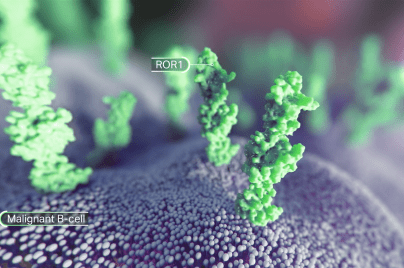
Targeting ROR1, a protein that is overexpressed in multiple hematologic malignancies
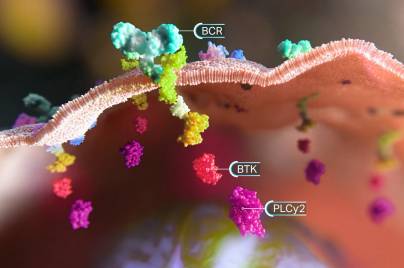
Evaluating the inhibition of Bruton’s tyrosine kinase to address common mechanisms of resistance for patients with certain hematologic malignancies
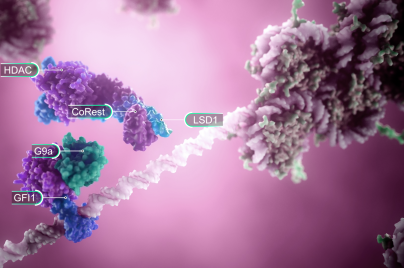
Targeting lysine-specific demethylase 1 (LSD1), an enzyme that is potentially important for regulating the rapid reproduction of blood stem cells and the maturation of blood cells in the bone marrow
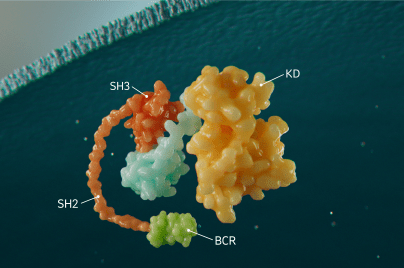
Evaluating the role of the BCR::ABL novel protein in preventing white blood cells from proliferating
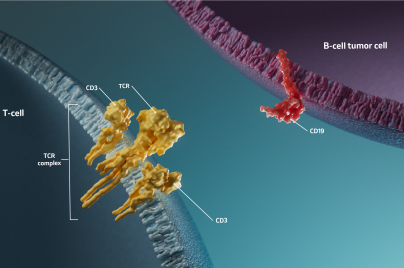
Researching T-cell engagement for certain types of leukemia and lymphoma
“Our team is building on our legacy in oncology to understand how various mechanisms and modalities could address blood cancers in innovative ways,” said Dr. Shweta Jain, vice president, oncology clinical research, MSD Research Laboratories.

“By exploring multiple potential novel mechanisms of action across a broad range of blood cancers and disorders, we hope to help address longstanding unmet needs for patients with hematologic malignancies.”
- Dr. Shweta Jain
Through ongoing studies and clinical trials, MSD is working to advance clinical research for patients living with blood cancers and disorders. Learn more about MSD’s hematology research and clinical trials.