Our People

From crosswords to cancer research

Rebecca Goldstein applies similar problem-solving and pattern-finding skills to immuno-oncology drug discovery that she uses to create crossword puzzles in her spare time

July 22, 2026

Share this article

Facebook icon

.st0{fill:#00857C;} X icon

Linkedin icon

Email icon

Rebecca Goldstein is an accomplished crossword puzzle creator, but her most challenging puzzle is the one she’s dedicated her career to solving: how to cure cancer. Working in drug discovery, Goldstein, Ph.D., finds that her passions for tackling diseases and creating crossword puzzles reveal surprising parallels. 
 
“While seemingly significantly different, they both require ingenuity, agility and strategic critical-thinking and problem-solving skills,” said Goldstein, senior principal scientist at MSD.

She began creating crosswords in 2020 during the pandemic when her wife suggested she find a hobby. Since then, Goldstein’s published more than 300 crosswords, including in The New York Times, where she’s created nine (and counting) Sunday puzzles.

“It’s really satisfying when things make sense. In both science and crosswords, I’m trying to find those ‘aha moments,’ those times when things really come together,” said Goldstein. 

Cancer drug discovery  

On average, it takes about 10 years to develop one new medicine. The first part of that process is discovery. Goldstein is focused on immuno-oncology discovery, seeking new ways to harness the immune system to kill tumors.  

“We’re trying to identify the target — a specific protein on a cancer cell — and then develop a drug-like molecule to hit that target and stop the cancer’s progression,” said Goldstein.  

And while designing a crossword is much quicker, she sees similarities in the process.  

Finding the patterns

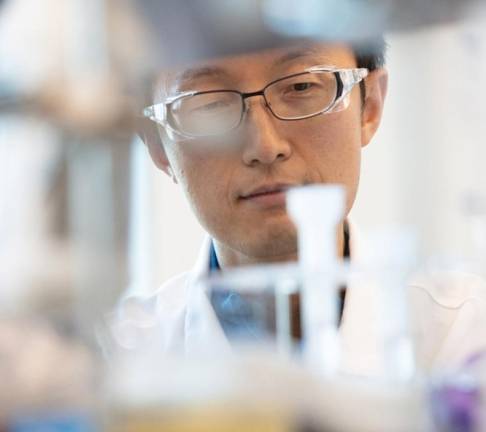
illustration of a section of a crossword puzzle with the words "crossword" and "discovery" intersecting. There's also a photo of scientist Rebecca Goldstein wearing a lab coat.

For Goldstein, both science and crossword puzzles begin with pattern recognition. 

“When creating a crossword, I first work on a theme, which involves looking for patterns that could connect a series of answers,” she said. “In the lab, I’m also looking for patterns — for example, how and where proteins are expressed on cells and tissues. We’ll then screen hundreds of molecular candidates to find the one that we think will hit the target best. It’s similar to sifting through hundreds of words to identify which ones fit my crossword theme.”

Iteration and refinement drive progress  

Iteration is central to both pursuits for Goldstein. In research, that may mean adjusting molecules based on results of experiments. In crosswords, it means determining where to put each word, the best placement for the black squares and how to formulate a layout that makes the puzzle fun and challenging.  

“At the end of the day, I want solvers to enjoy it, to feel accomplished and that their time was well spent,” Goldstein said.   

Putting patients first  

In the lab, Goldstein always puts patients first. It’s a mindset that was deeply embedded early in her career when some of the first molecules she helped discover proceeded to clinical trials.  

“It’s humbling to realize that something you worked on has the potential to help people,” Goldstein said. “Clinical trial participants are making an important contribution for science. As scientists, we need to approach this work with a careful eye and be very good at what we do.”
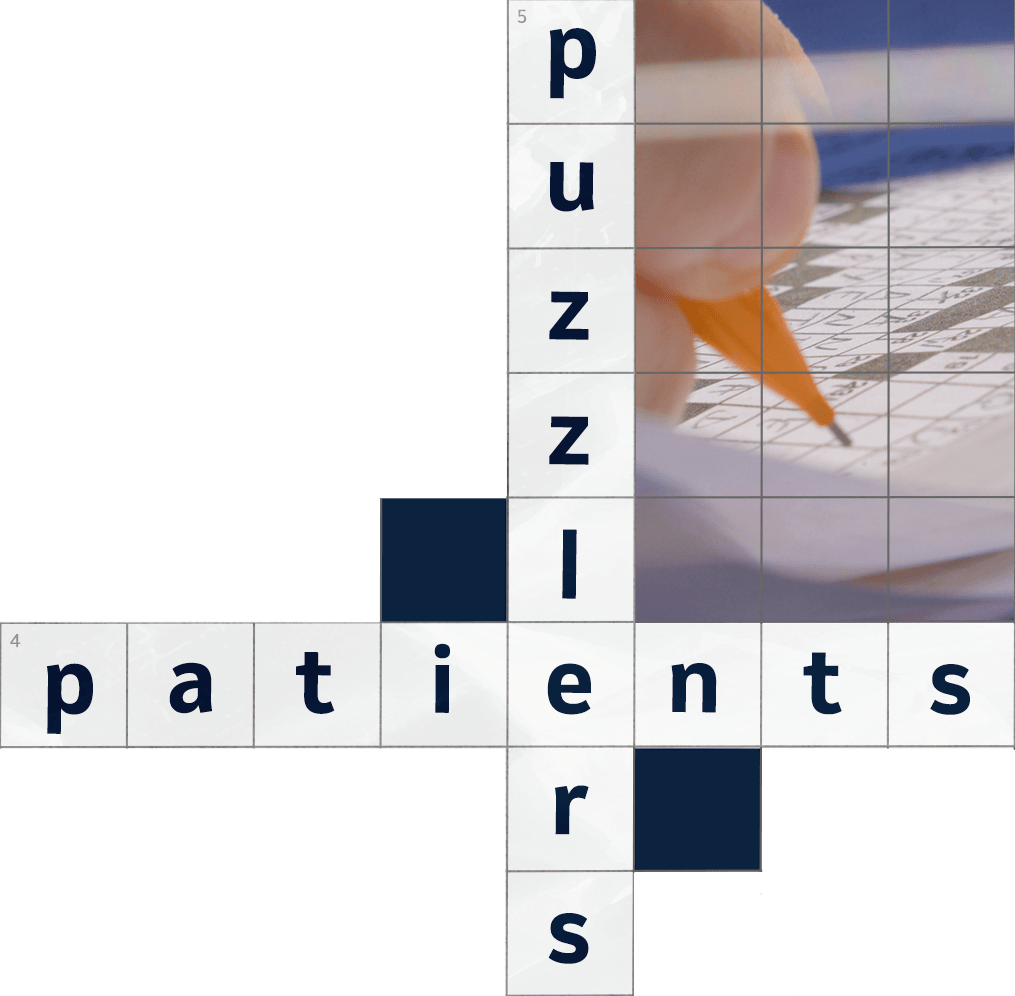
Artistic image of crossword puzzle and closeup of person's hand while working on a crossword puzzle

Collaboration strengthens ideas and outcomes 

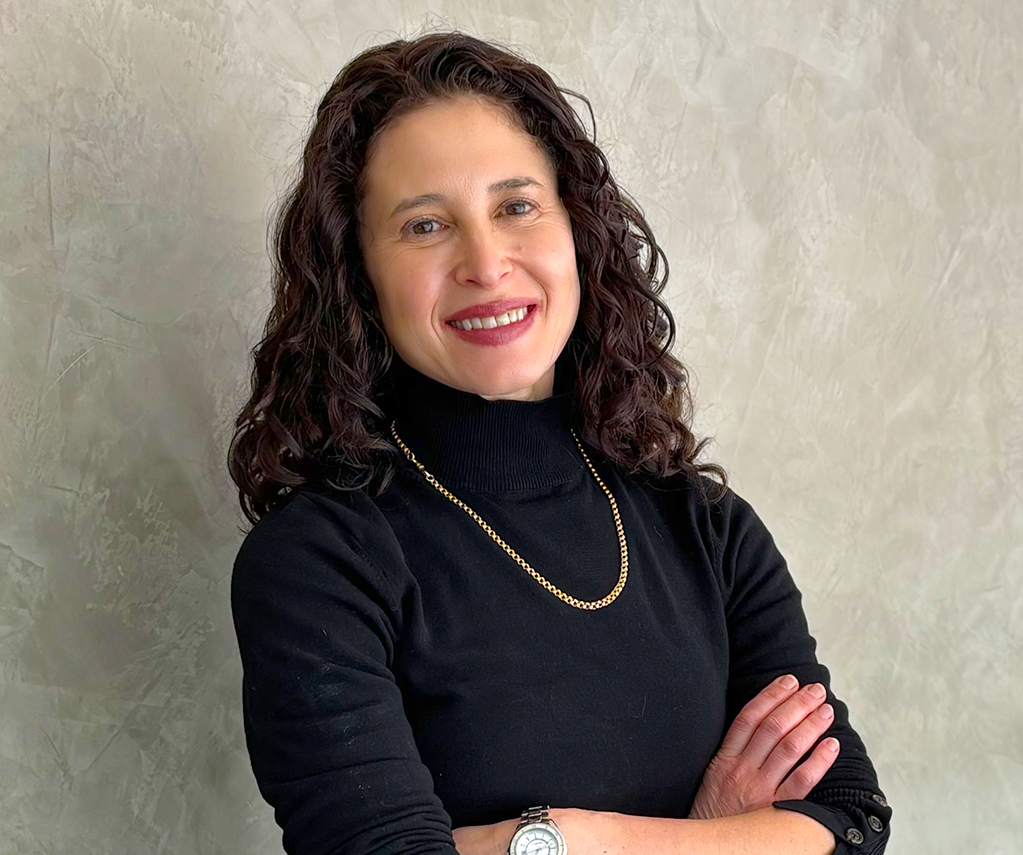
Collage of Rebecca Goldstein Senior Principal Scientist, Discovery Oncology and crossword puzzle

This includes collaboration, as breakthroughs rarely happen alone.  

“Having other minds and perspectives can really elevate an idea,” said Goldstein. “People have different backgrounds and areas of expertise, which are helpful in running the best experiments with the best controls.” 

She said the same is true even when she has a solo crossword byline: “I’ll ask one of my fellow crossword creators questions similar to those we ask in the lab, ‘Hey, does this make sense to you? Am I stretching too far? Does it really work?’” 

When it clicks: breakthrough moments 

She recalls one of those times in the lab when data from multiple teams aligned: “We took the totality of the data and everything lined up. The whole thing just made beautiful sense. It was like a perfect study.” 

Goldstein said crossword inspiration comes from similar “aha moments” in her everyday life — in conversation, in TV dialogue, at work and even in solving other crosswords. She builds on the moment to create a puzzle that appeals to the widest audience. 

“I want to open the tent and make room for more people to come in and enjoy the puzzle — the more likely people are to find something that represents them or that they can relate to, I’m all for it,” said Goldstein.  

And, in case you’re wondering, Goldstein is also an impressive crossword puzzle solver. Her personal best on a Sunday New York Times crossword is under six minutes (5:21, to be exact)! 

Although it takes a lot of work to get there, Goldstein savors the moment when everything suddenly comes together.   

When crosswords meet chemistry

Goldstein sometimes weaves scientific themes or words into her crosswords. In fact, the theme of her first ever New York Times puzzle was “salt shaker” and included rebuses — a word or group of letters written inside a single square — of anagrams of NaCl, the chemical name for salt.

Check out some of her latest New York Times puzzles, published June 9, June 28 and July 22.

 

Our People

Meet two scientists at the forefront of our HIV research

Two esteemed scientists share their motivations and hopes for the future of HIV research

July 1, 2025

Share this article

Facebook icon

.st0{fill:#00857C;} X icon

Linkedin icon

Email icon

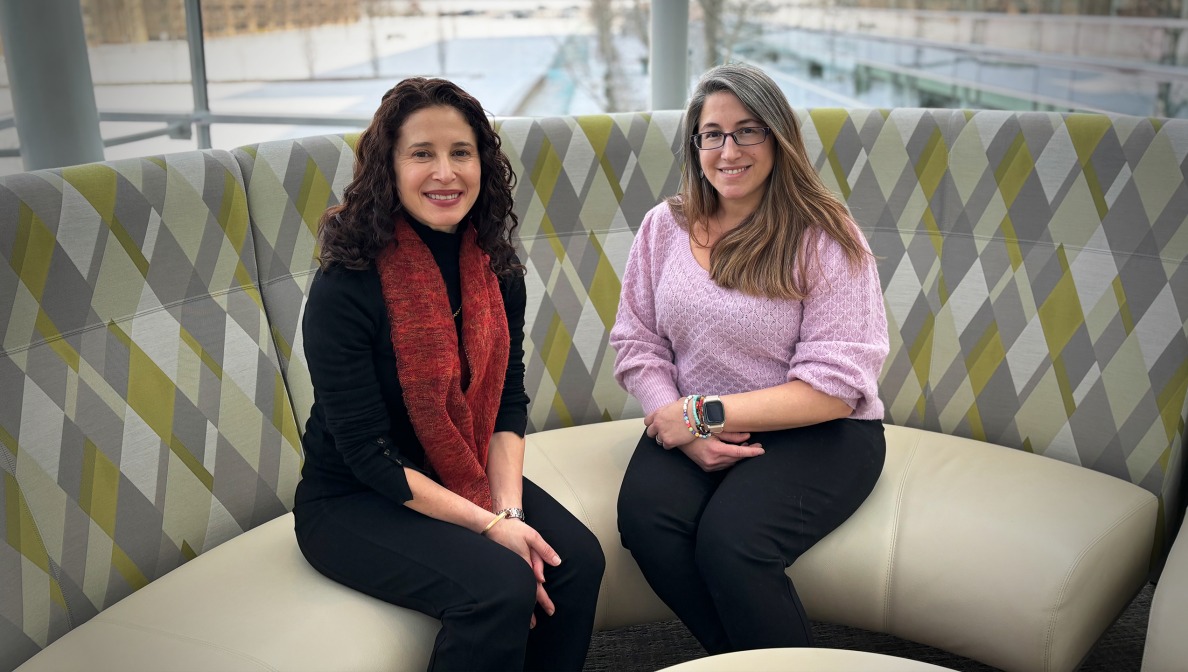
Rebeca Plank and Bonnie Howell

The field of HIV research has changed drastically in the past 40 years. In that time, we’ve evolved from helping people with HIV struggle to survive to seeing them fully thrive. Now we’re chasing a cure for HIV.

We spoke with two of our own researchers who are leading the charge, Bonnie Howell, Ph.D., and Rebeca Plank, M.D., about what drives them, what’s changed, and what’s next in the HIV research landscape.

What drew you to HIV research?

Rebeca Plank: I think my interest was first sparked at home by my parents, who actually met doing public health work in Chile. But it’s funny, despite that background, I wasn’t pre-med in college. I was an anthropology major. But during my senior thesis, I worked on a project around HIV prevention messaging. That stuck with me.

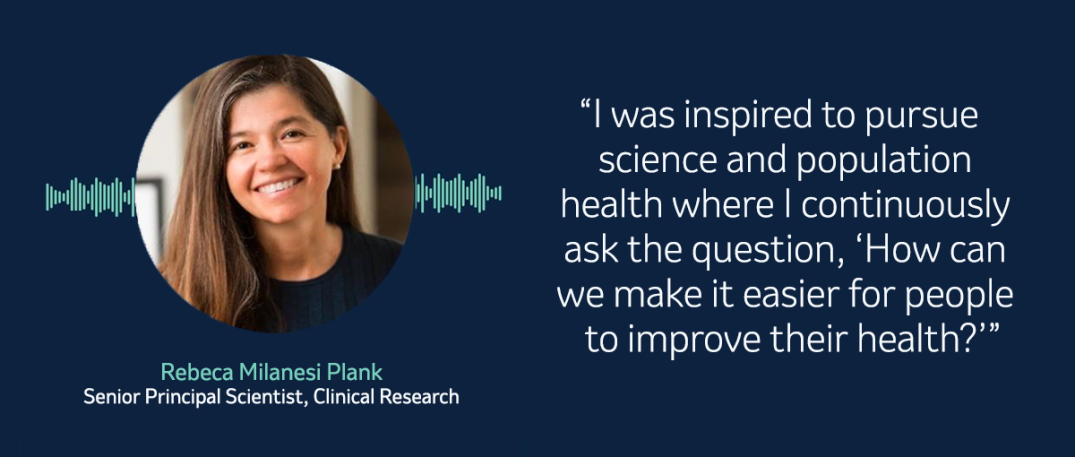
Quote from Rebeca Plank "I was inspired to pursue science and population health where I continuously ask the question, 'How can we make it easier for people to improve their health?'"

Bonnie Howell: I can relate to that. I started working in HIV research after years of working in oncology and quickly recognized the unmet medical need. I realized that a lot of what I learned about cancer research could be applied to HIV as well.

I became passionate about HIV research because I saw it as an opportunity to change the storyline and apply my oncology experience to this different field.

In your mind, what’s been the biggest shift in HIV care?

RP: I think the vast shift can be summed up by what I saw in med school. I was studying in San Francisco between 1996–2001, and I watched an inpatient hospital ward go from a place that housed critically ill people living with HIV to a general medicine ward full of people rightfully expecting to feel better and go back home.

And that’s all due to the fast and impactful medical innovations — such as antiretrovirals to treat HIV — that helped save so many lives.

In a field that’s been historically male dominated, how does it feel to be a female in science and HIV research?

BH: My experience is definitely unique because I’ve been at MSD for my entire career — and I’ve been constantly surrounded by powerful and brilliant women. It’s been a privilege to be a part of a company that has empowered me to roll up my sleeves and contribute day in and day out to this important mission.

And I’m grateful for the chance to continue to add to the legacy MSD has established for itself in HIV — helping to change the way HIV has been treated since the start of the epidemic.

RP: That said, there are still challenges facing women in HIV research. As a med student and also as a resident, it struck me that, looking around the hospital, there were relatively few women who were further along in their careers. It can be so important to see people succeeding who look like you, as role models and mentors — they show you what’s possible.

BH: I completely agree. I also count myself lucky that I was mentored by female leaders who charted the course and. Now I pay that forward and mentor the next generation of female researchers — especially those pursuing HIV.

Why do you think gender diversity is critical in HIV research?

BH: Globally, women bear a huge brunt of this epidemic. A 2024 report showed that 53% of all people living with HIV in 2023 globally were women and girls.

It’s important to make sure that the female perspective is represented within the HIV research community, so women with HIV can have advocates who share and understand their unique female experiences.

RP: Prior to joining MSD, during my time doing field work in Kenya and Botswana, I learned a lot about the nuances and unique hardships of the female HIV experience. Globally, advocating for herself may not always be a woman’s first priority. Not to mention that the stigma of HIV is still too prevalent around the world, which may make it harder to seek care.

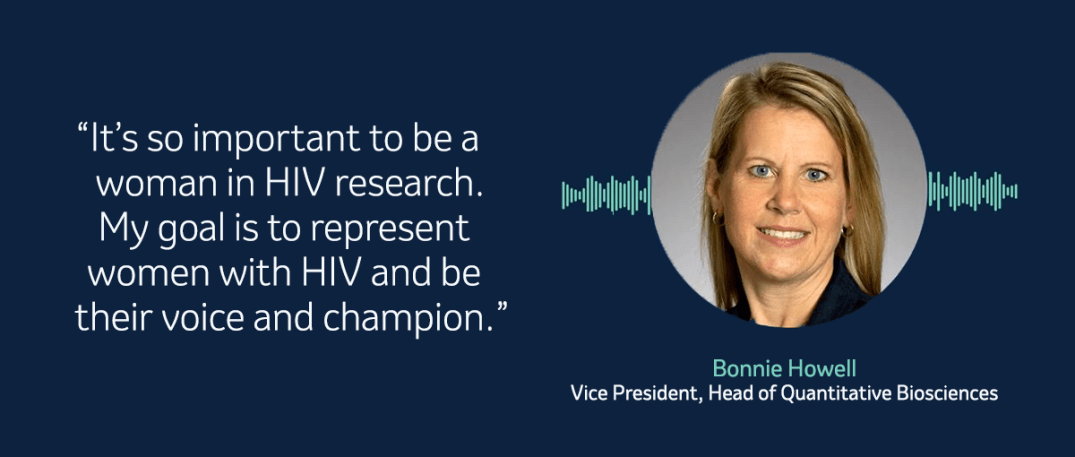
Quote from Bonnie Howell "It's so important to be a woman in HIV research. My goal is to represent women with HIV and be their voice and champoin."

What advancement in HIV research do you hope to see during your lifetimes?

BH: A cure. Whether that’s eradicating HIV from peoples’ bodies or remission, where the virus still exists in the body but is controlled without lifelong treatment.

RP: And then getting this cure — as well as other treatments and better methods for HIV prevention — to people in need, in the manner they need it. Access remains a huge issue, and part of that is the mode of treatment such as frequency of pills or injections. We hear consistently that having discreet treatment and prevention options would be critical.

What gives you the most hope?

RP: So much can evolve in a single generation. These young women we’re working to help, someday they’ll be grandmothers. By empowering them with knowledge and by continuing our work in HIV, we hope to protect future generations.

BH: The HIV community is so passionate and engaged, and we’re designing studies and treatments with those affected in mind. I’m excited to see what the future brings.

Our People

A lifelong commitment to addressing dengue fever

How our colleague’s personal experience fueled his desire to help others

June 10, 2025

Facebook icon

.st0{fill:#00857C;} X icon

Linkedin icon

Email icon

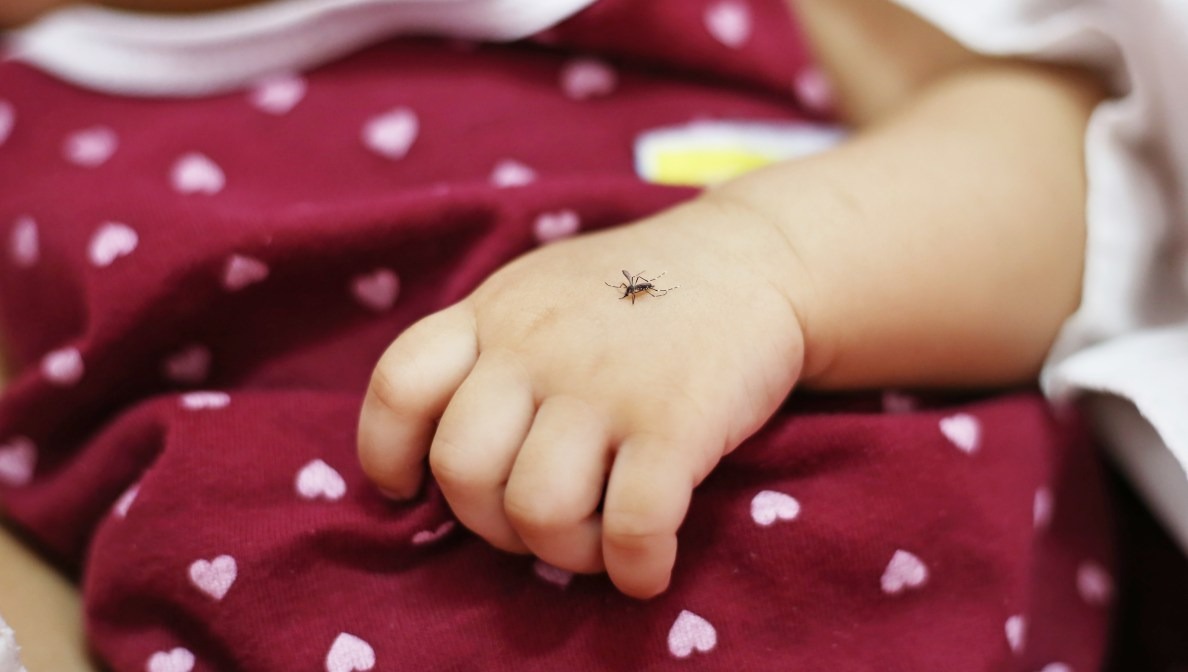
close up of mosquito on toddler's hand

With roughly half of the world’s population at risk of contracting dengue fever, Dr. Bin Pangilinan and his colleagues are dedicated to helping address this global health challenge.

Growing up in the Philippines, Pangilinan experienced firsthand the serious impact of dengue, one of the fastest-growing mosquito-borne viral diseases. He saw classmates become ill from the disease and, even though it was not contagious, unfortunately contracted it himself from infected mosquitos multiple times throughout his childhood. The care he received helped shape the course of his life in profound ways.

Dr. Bin Pangilinan at at approximately seven years old

Pangilinan around 7 years old

His first encounter with dengue at age 7 landed him in the hospital, an experience marked by high fevers and severe body aches. “You would hear about outbreaks in the news, but being at the center of one was entirely different,” he said.

At age 10, a more severe episode required a two-week stay in the hospital — alarming both him and his parents. Finally, at age 15, Pangilinan was diagnosed with dengue once again, a third hospitalization disrupting his college admission tests and highlighting the disease’s unpredictability.

Joining the fight against dengue

His experience with dengue as a child ignited Pangilinan’s passion for medicine, driving him to pursue a career helping others. After completing his medical training, he faced dengue from the other side as a medical intern. “It was one of the most challenging moments in my medical career,” he said. “Treating patients impacted by dengue was a pivotal moment that further fueled my desire to help address this disease.”

Dr. Bin Pangilinan, MSD during his medical training

Pangilinan during his medical training

Pangilinan’s career journey eventually led him to MSD in 2013, where he’s worked with various groups including advocacy, medical affairs, access and policy to help address infectious diseases. His personal journey inspires his professional work with a unique empathy and understanding, particularly in his current role, where he is part of a team supporting efforts to alleviate the burden of dengue and infectious diseases.

“The commitment of my colleagues and the dedication of the global public health community to fight dengue are incredibly inspiring,” Pangilinan said.

“That passion energizes me every day and drives me to confront this disease and make a difference for those at risk around the world, especially for my hometown in the Philippines, where my story with dengue began.”

Pangilinan and his colleagues remain committed to leveraging science, innovation and collaboration to help address the impact of infectious diseases like dengue on communities around the world.

Dengue facts and figures

Doctor icon

Transmission and symptoms

Dengue is spread to people by infected mosquitos. Mild symptoms of dengue infection may include fever, rash and muscle and joint pain, while severe dengue disease can lead to shock, internal bleeding and even death.

Statistics

Statistics

Around 4 billion people are at risk for dengue.

Dengue is regularly found in more than 100 countries.

Around 105 million dengue infections are estimated to occur around the globe each year.

Around 4 million people may require hospitalization for dengue symptoms each year.

Our People

A personal commitment to public health

Stories of research and clinical care from two leading experts in pneumococcal and pediatric infectious disease

March 19, 2025

Share this article

Facebook icon

.st0{fill:#00857C;} X icon

Linkedin icon

Email icon

Dr. Wilck and Dr. Platt

Nearly all of us have caught a seasonal cold, but some infectious diseases can pose significant health risks. Research plays a critical role in advancing prevention and treatment strategies for infectious diseases.

Our researchers are at the forefront of scientific innovation, working to address the diseases that threaten our most vulnerable populations around the world. Heather Platt, M.D., and Marissa Wilck, M.D., two MSD scientists specializing in pneumococcal and pediatric infectious diseases, shared their journeys into medicine and their reflections on the critical role research plays in improving public health.

What drew you to a career in infectious disease research?

Dr. Wilck: “I grew up in rural South Africa and had to choose a career at 18. Knowing amazingly little about what it would encompass, I chose med school because of my love of science and wanted to do something meaningful with my life. In my clinical years, I saw infectious diseases all around me, which drove me to specialize in infectious diseases.”

Marissa Wilck, M.D., MSD scientist  specializing in pneumococcal and pediatric infectious diseases

Dr. Marissa Wilck

Dr. Platt: “I chose internal medicine for my residency because I loved learning the broad scope and it allowed me to explore a variety of interests, particularly in infectious diseases.

One of my first patients during my internship year was a 75-year-old lady who had pneumonia and was brought into the ICU because her blood pressure was starting to drop. Within an hour, she needed full support for breathing and blood pressure with central lines and intubation. That was a pivotal moment for me to understand the complexity and impact of infectious diseases like pneumococcal disease. I later completed a fellowship in infectious diseases and witnessed advancements that made me want to pursue research.”

Are there any common misconceptions about infectious diseases like pneumococcal disease that you aim to overcome?

Platt: “Anyone can get pneumococcal disease. You’re at increased risk depending on your age or certain medical conditions. Some people can become very ill, very quickly. I think Marissa and I have both seen serious cases of complications from pneumococcal disease, like pneumonia and meningitis.”

Wilck: “In my clinical years, I remember seeing previously healthy people becoming very sick with pneumococcal disease. I have a particular patient in mind that I think about; I remember looking at him and thinking, ‘How can this strong man who was healthy just two or three weeks ago get so sick from this bacteria?’

SEE ALSO: Facts about invasive pneumococcal disease and how infection spreads

A look at the numbers

  • Approximately 13.7 million people worldwide died from infectious diseases in 2019.
  • Infections such as pneumococcal disease can lead to potentially severe health issues, like pneumonia, sepsis and meningitis.
  • Pneumonia impacts millions of people worldwide each year.

What makes infectious disease research unique compared to other areas of medical research?

Wilck: “I find infectious disease research fascinating because it encompasses many aspects of human health and society. Infectious diseases affect everyone, and the social and economic impacts touch all communities. To me, this has reinforced the critical importance of researching prevention measures. We have the opportunity to make such a difference.”

How do we balance research in prevention versus treatment?

Heather Platt M.D., MSD scientist  specializing in pneumococcal and pediatric infectious diseases

Dr. Heather Platt

Platt: “There’s a lot of satisfaction that comes from knowing that you can be a part of preventing disease. But as infectious disease physicians, we see how prevention and treatment both have a role. Choosing to spend time on prevention strategies is as worthy as the time that our colleagues are spending on researching treatments for these diseases. We can put our collective heads together because we’re all fighting for the same thing.”

What inspires you about our team?

Wilck: “MSD has such a deep history and legacy in infectious disease research and innovation. As a team, we can make things happen in a way that we could never do as individuals. I’m proud to be part of that effort.”

Platt: “At MSD we have the opportunity to work in different therapeutic areas, and that allows me to appreciate the different elements of research that are needed in order to improve the burden of these infectious diseases. It isn’t just one product or one patient. Marissa and I have crisscrossed paths in our research in pneumococcal and pediatric infectious diseases at MSD, but we’ve both had the opportunity to positively contribute to public health. It’s an honor and a privilege to be a part of offering prevention options.”

We’ve been working to combat global health threats caused by infectious diseases for more than a century. Learn more about our work in infectious disease research.

Our People

Here for Good: A steadfast commitment to global health

How one colleague’s upbringing and career journey have motivated her to enable health access around the world

June 10, 2024

Share this article

Facebook icon

.st0{fill:#00857C;} X icon

Linkedin icon

Email icon

For Priya Agrawal, access to health has been a lifelong concern and a guiding principle in the work she’s done across industries.

As a young girl growing up in central London, Agrawal saw firsthand how inequities even within her own extended family could drastically impact health outcomes.

“I watched my father’s side of the family — who lived in London — live with diabetes, but I watched my mother’s side of the family — who lived in North India — die of diabetes,” Agrawal said. “It took me a while to figure out that it was my father’s family’s access to the National Health Service that made the difference.”

That early insight propelled Agrawal into a career as an obstetrician and gynecologist before moving into public health. Now vice president in charge of international health equity and partnerships, Agrawal first joined our company to help launch MSD for Mothers, a global initiative to help create a world where no woman has to die while giving life. From there, she went on to a variety of roles — from lead of our vaccines and contraceptives business in the U.K. to managing director of South Africa and sub-Saharan Africa cluster to global head of HPV vaccines.

Agrawal’s work — and the passion that fuels it — continues, and she has no plans to stop.

“My purpose in life is to advance health equity. I want to be able to say that I did all I could to ensure more people could both survive and thrive because they had easier access to health.”

Our People

Podcast: Meet the dealmakers 

MSD’s business development and licensing team explain how they identify new opportunities to strengthen our robust R&D pipeline  

June 5, 2023

Share this article

Facebook icon

.st0{fill:#00857C;} X icon

Linkedin icon

Email icon

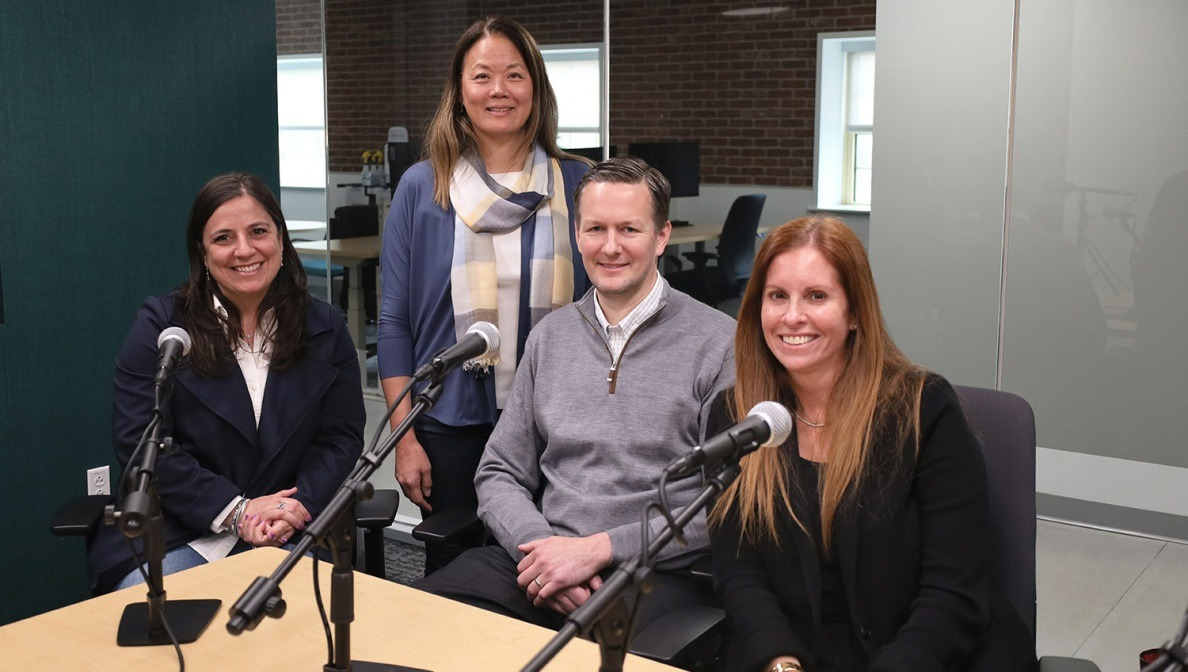
MSD Business development team members Lizabeth Leveille, Christopher Mortko and Grace Han McMahon participating in podcast

It takes a special kind of talent to find and secure the right deals to keep us at the forefront of innovation. Leaders from our business development and licensing team sat down to discuss how their work is a key component to building and maintaining a strong pipeline.  

Here’s what you need to know:  

01.

Harnessing our legacy

Our reputation for using leading-edge science can make business development connections easier, explains Lizabeth Leveille, vice president, business development.


02.

The speed and determination to get it done

Elizabeth Naldi-Jacob, vice president, business development, knows that having a direct line of reporting to the top is what sets MSD apart as a potential partner. 


03.

Balancing the internal and the external  

We have a one pipeline mindset, and each asset receives the same focus and rigor whether it comes from inside our company or out, says Christopher Mortko, vice president, business development. 


04.

Working hand-in-hand with our scientists  

Grace Han McMahon, associate vice president, business development, explains why engaging our internal science leaders is crucial to making the right deals. 


05.

What we’re interested in (and why it’s everything) 

Our panelists discuss why we focus on five key areas — and when we’re willing to look beyond them.


Great partnerships begin with great conversation. Learn more about how discovery & development and licensing shape the future of MSD.  

For more, check out the full podcast: 

MSD BD&L

Read the transcript