

Health awareness

Addressing the global shortage of OncoTICE

A new facility will support a phased ramp-up, with the goal of tripling our manufacturing capacity, which we anticipate will help better meet the needs of physicians and patients over time

September 21, 2026
Share this article

Facebook icon

.st0{fill:#00857C;} X icon

Linkedin icon

Email icon

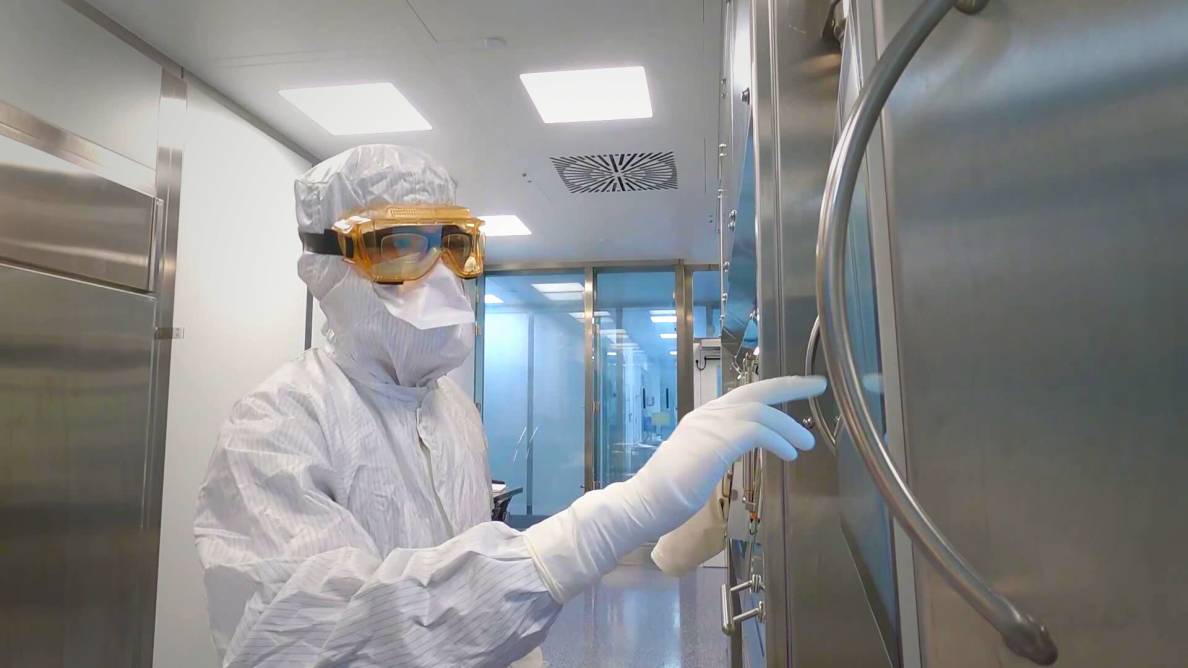
person in full protective gear working in facility

Since 2012, MSD has been the primary global supplier of OncoTICE®. Increasing global demand for OncoTICE has exceeded our manufacturing capabilities. In our commitment to the reliable and sustainable production of OncoTICE, in 2021, we announced our decision to build a new manufacturing facility in Durham, North Carolina to fulfill all needed demand — investing more than $650 million.

This investment reaffirms MSD’s longstanding commitment to producing this medicine, and all our medicines, for patients who need them. Once operational, the facility will support a phased ramp-up, with the goal of tripling our OncoTICE manufacturing capacity, which we anticipate will help better meet the needs of physicians and patients over time.

Warehouse used to maintain inventory of materials used for OncoTICE production

Update on manufacturing for OncoTICE

We previously communicated that, barring unforeseen circumstances, our new plant was on track to open by the end of 2026. Since then, we’ve encountered a series of delays due to mechanical interdependencies at our new facility. While work is underway to address these issues, the cumulative impact is substantial and will unfortunately further delay the opening of the facility.

We’re working with urgency to address the current challenges and advance the project while taking the necessary steps to reduce the risk of further delays. We’ll provide an update on the expected timing of our new facility’s opening in the first quarter of 2027. Until the new facility is complete, we’ll continue to use a system to proportionally allocate OncoTICE  to minimize disruption to patient care as much as possible.

If patients have questions regarding OncoTICE, they should speak with their physicians. Additional information related to the shortage, current allocation practices and our efforts to increase supply, including construction of a new manufacturing site, is below.

What caused the OncoTICE shortages and backorders?

Since 2012, MSD has been the primary global supplier of OncoTICE. While we have made efforts to maximize production of OncoTICE, increasing global demand has outpaced our current maximum manufacturing capabilities. The manufacturing of this product is highly complex. Each batch takes more than three months to make, 30 days of which are spent waiting for the growth of a bacteria used to make the medicine. MSD continues to do everything we can to complete this new manufacturing project as expediently as possible.

Prior to 2012, additional manufacturers supplied the U.S. market with OncoTICE, with MSD providing 30-40% of the U.S. supply. As other manufacturers exited the U.S. market in 2012, MSD increased production of OncoTICE to the full extent allowed by our current manufacturing capacity, which effectively doubled our supply of OncoTICE to the U.S. market.


How does the OncoTICE allocation process work?

To minimize disruption to patient care as much as possible until the new facility is complete, we’ll continue to use a system to proportionally allocate OncoTICE based on historical demand or in accordance with existing contractual obligations.

MSD allocates available supply of OncoTICE to wholesalers and distributors based on their historical purchasing patterns or in accordance with existing contractual obligations. In turn, wholesalers and distributors allocate their inventory of OncoTICE to their healthcare professional customers based on available supply and the historical purchasing patterns of those customers. MSD does not directly determine the amount of supply to individual hospitals, hospital pharmacies or medical practices.


Where can I find more information about the availability of OncoTICE?

Patients:
Patients should reach out to their physician, as they are in the best position to answer questions about the availability of the medicine in their practice and can inquire about the quantity and timing of product availability with their supplier.

Healthcare professionals:
Healthcare professionals with questions regarding allocation should contact their wholesaler or distributor.



Health awareness

HPV and related cancers: What you need to know

Human papillomavirus (HPV) is a leading cause of certain types of cervical cancer and other cancers in men and women

September 18, 2026

Share this article

Facebook icon

.st0{fill:#00857C;} X icon

Linkedin icon

Email icon

young adults hanging out

What is human papillomavirus (HPV)?

Human papillomavirus (HPV) is the most common sexually transmitted infection (STI).

For most people, HPV clears on its own. But for the very few who do not clear the virus, it can cause certain cancers and other diseases in both men and women. Unfortunately, there’s no way to know who will or will not clear the virus.

What cancers and diseases can be caused by HPV?

people icon

HPV can cause certain types of:

  • cervical cancers
  • vaginal cancers
  • vulvar cancers
  • anal cancers
  • head and neck cancers
  • genital warts

The impact of HPV-related cancers

man and woman icon

Over 780,000 men and women were diagnosed with certain HPV-related cancers in 2022 worldwide

woman icon

As of 2024, cervical cancer was the 5th most common cancer in women worldwide

“There are steps people can take to be proactive about their health. Men and women should speak with their healthcare providers to learn more about the link between HPV and certain cancers and diseases.”

— Mel Kohn, M.D., M.P.H., executive director of medical affairs, MSD

The World Health Organization’s (WHO) movement towards cervical cancer elimination

Important steps have been taken to achieve a world where fewer women are affected by cervical cancer, but more needs to be done.

In 2020, the World Health Assembly adopted the global strategy to accelerate the elimination of cervical cancer as a public health problem.

To help achieve this goal, the WHO provides guidance and tools to support countries in implementing strategies and addressing challenges associated with cervical cancer prevention.

Health awareness

Understanding the health risks of high LDL cholesterol

Reducing low-density lipoprotein (LDL) cholesterol may lower the risk of heart attacks and strokes

August 11, 2026

Facebook icon

.st0{fill:#00857C;} X icon

Linkedin icon

Email icon

Doctor consulting patient

What does high cholesterol mean?

Cholesterol is obtained from food and produced by the liver. It carries out several important functions in our body, including the synthesis of new cells, some hormones and substances that help digest food. There are two kinds of cholesterol: high-density lipids (HDL) and low-density lipids (LDL). Too much LDL cholesterol can pose a problem.

LDL-C, also known as bad cholesterol, is known to combine with fats and other substances leading to the buildup over time of fatty deposits, known as atherosclerotic plaques, on and within the inner walls of arteries. This may increase an individual’s risk of heart attack or stroke. People with elevated LDL-C levels in their blood have a condition called hypercholesterolemia.

Certain health conditions like type 2 diabetes and obesity, as well as behavior and lifestyle factors like smoking, eating a diet high in saturated and trans fats and lack of exercise, have been shown to increase a person’s risk for hypercholesterolemia. Other factors that increase risk include a family history of cardiovascular (CV) disease, older age and gender (women tend to have lower LDL levels than men until ~55 years of age or until menopause).

SEE ONE PATIENT’S JOURNEY: A call to action: Lowering LDL cholesterol

Hypercholesterolemia: a major causal risk factor for cardiovascular disease

Hypercholesterolemia is a leading contributor to atherosclerotic cardiovascular disease (ASCVD), a condition caused by the buildup of plaque within arteries, leading to narrowed or blocked blood vessels. This may result in cardiovascular events such as heart attack or stroke and continues to pose a significant health burden.

The CV epidemic

~24.1%

Adults live with hypercholesterolemia

~500M

People worldwide are affected by cardiovascular disease

~20.5M

Deaths from cardiovascular disease in 2021

Despite widespread availability of therapeutic interventions, 70% of the patients treated with lipid-lowering therapies are not achieving guideline recommended reductions in LDL cholesterol and, as a result, remain at risk for serious cardiovascular events.

Dr. Puja Banka, associate vice president, clinical research and global clinical development, MSD

“We have a proud legacy of translating science into medicines that have changed the outlook of CV disease. We continue to build on our nearly 70-year history in advancing research to help address the CV epidemic.”

  • Dr. Puja Banka
    Associate vice president, clinical research and global clinical development

Cardiovascular disease continues to be one of the most serious global health challenges. We strive for scientific excellence and are committed to advancing research for patients impacted by cardiovascular diseases.

“For nearly 70 years, our company has been developing medicines to help address the burden of cardiovascular disease,” said Banka. “Our work combines our deep expertise in scientific excellence and our strong medicinal chemistry capabilities.”

Learn more about our commitment to cardiometabolic and respiratory health.

Health awareness

Know your risk for bladder cancer — and don’t ignore the signs

Awareness gaps can impact recognition and diagnosis of bladder cancer

May 4, 2026

Share this article

Facebook icon

.st0{fill:#00857C;} X icon

Linkedin icon

Email icon

3 people conversing

When bladder cancer is found early, before it spreads beyond the bladder, patients have more treatment options. That’s why we’re focused on getting to the heart of what people need to hear. Especially those at risk of bladder cancer.

Dr. M. Catherine Pietanza
Vice president, global clinical development, MSD Research Laboratories

“Too many patients don’t recognize the warning signs for bladder cancer or feel comfortable talking about them. Breaking that silence is just as important as developing new treatments — because awareness is the first step toward helping to save lives.”

  • Dr. M. Catherine Pietanza
    Vice president, global clinical development, MSD Research Laboratories

Bladder cancer risk is not largely based on family genetics

Some people inherit certain genes from their parents that can increase their risk of bladder cancer. But bladder cancer doesn’t often run in families, and inherited genes are not thought to be a major cause of this disease. Most gene changes linked to bladder cancer develop during a person’s life, rather than having been inherited.

Don’t ignore blood in your urine or changes in your urinary habits — talk to your doctor right away

Bladder cancer can often be found early because it can cause symptoms that lead a person to see a healthcare provider. Blood in your urine is usually the first sign, before pain or other symptoms appear. In most cases, blood in the urine doesn’t mean you have bladder cancer, but it’s important to see your doctor to rule out other causes like a bladder or kidney stone, an infection or kidney disease.

Be aware of your risks for bladder cancer

Knowing and avoiding the risk factors that are within your control may help lower your risk of bladder cancer. Among risk factors for bladder cancer, smoking is highest on the list — causing about half of all bladder cancers. Exposure to other chemicals can also raise risk over time, including industrial chemicals used in making rubber, leather, textiles and paint products, as well as in printing companies. People who work as painters, firefighters, hairdressers and truck drivers can similarly be exposed to certain chemicals and fumes that might increase their risk of bladder cancer.

Some risk factors can’t be controlled, but you may be able to help lower your risk of bladder cancer by not smoking, practicing good work safety practices, limiting exposure to toxins (like arsenic), staying well hydrated and eating plenty of fruits and vegetables.

Know your individual risk factors and talk to your doctor to see if you are at high risk for bladder cancer. If you have risk factors that strongly increase your risk of bladder cancer, and you’ve noticed certain changes in your urine, your doctor may recommend tests to look for bladder cancer.

“Our goal is to reach patients sooner — before the disease advances, before options narrow.”

  • Dr. M. Catherine Pietanza

When bladder cancer is found early, there are more treatment options. In later stages of bladder cancer, removing the bladder may need to be part of the treatment plan.

This is where our focus begins: breaking the silence and encouraging people to talk to their doctor right away if they notice any possible symptoms.

Health awareness

Notes of resilience: A musician’s journey with head and neck cancer

One singer-songwriter found the strength to keep going after his head and neck squamous cell carcinoma diagnosis by accepting help and embracing love and music

March 10, 2026

Facebook icon

.st0{fill:#00857C;} X icon

Linkedin icon

Email icon

In 2023, Jon Michaels was happily balancing the joys and routines of life – from his publishing job and his passion for music as a singer-songwriter to cherishing moments with his wife, Jeannie, and their daughter, Jennings.

One day, Michaels noticed a painless lump in his neck. Since it didn’t affect his ability to sing, talk, eat or drink, he initially dismissed it. When the lump persisted, he was urged to see a doctor who conducted a biopsy and surgically removed the lump. Then came the news that changed his life forever – Michaels was diagnosed with head and neck cancer. He now had to face the impact of this diagnosis on his life, his loved ones – and his music.

“I was wondering, ‘How would I react if I were to be diagnosed with cancer?’” he said. “That day, I found out.”

What is head and neck cancer?

Head and neck cancer describes tumors that develop in or around the throat, larynx, nose, sinuses and mouth. In 2022, there were more than 947,000 cases of head and neck cancer worldwide. These data include cancers of the salivary glands, hypopharynx, oropharynx, nasopharynx, larynx, lip and oral cavity. Michaels’ diagnosis, squamous cell carcinoma of the head and neck, is the most common type of head and neck cancer and begins in the flat, squamous cells that make up the thin mucosal lining of the head and neck.

Michaels’ painless lump is a common symptom of this disease. Other symptoms may include a sore in the mouth that won’t heal, coughing up blood and pain when swallowing.

The power of support in Michaels’ cancer fight

After his diagnosis, Michaels and his wife discussed a treatment plan with the doctor.

“He started by saying, ‘I have good news and bad news. The good news was that we can treat your cancer, with surgery, radiation and chemotherapy. The bad news is that it will be tough,’” Michaels said. “That was hard to process.”

As Michaels started treatment, he was concerned about how it may affect his ability to pursue music.

“That worried me, as music was so much a part of my life,” he said.

Michaels faced both physical and emotional challenges during his treatment, reaching a point where he almost wanted to give up.

However, his wife refused to let him. She inspired him to remain strong and encouraged him to accept help during this difficult time. Even his therapist advised him: “Let the people who love you, love you.” Those words taught Michaels to accept support from his neighbors, friends and family.

Jon Michaels with his two dogs

“My support group were the real heroes in this experience,” he said.

While others handled life’s daily tasks for him, such as sending meals, mowing the lawn, helping with chores and transportation to appointments, Michaels focused on fighting this disease.

These acts of kindness got him through his toughest days, allowing him to recover and channel his emotions into music, even writing a song to reflect on his cancer experience.

SEE ALSO: Supporting colleagues with cancer

Strengthening our commitment to patients with cancer

Jon Michaels and his wife

Stories of support, like Michaels’, underscore why patients are our inspiration as we continue to pursue the fight against cancer. His journey is an important reminder to turn to a supportive network during trying times.

“The most rewarding part was the overwhelming love shown by my family, friends and strangers,” he said. “Trust in the care and fight when they tell you to fight.”

Health awareness

Acting early in cancer detection

Diagnosing cancer early, before it has spread, may potentially lead to better outcomes

December 16, 2025

Share this article

Facebook icon

.st0{fill:#00857C;} X icon

Linkedin icon

Email icon

Doctor and patient review paperwork

Time is important with a cancer diagnosis. People with cancer may have the opportunity for better outcomes when the disease is detected early. And with increases in routine cancer screening (e.g., mammograms, colonoscopies, lung cancer screenings, Pap smears, etc.), more cancer cases can be diagnosed before metastasis — before the disease has spread to other parts of the body.

“We’ve seen incredible progress in the fight against cancer in recent decades, driven by advances in early detection and the availability of new treatment options,” said Dr. Gregory Lubiniecki, vice president, oncology clinical research. “This progress makes me optimistic for a future where cancer is detected and treated as early as possible, giving patients the greatest chance to live cancer-free. We can’t rest now — I’m hopeful that we’ll continue to build on what we’ve learned about helping people with earlier stages of disease.”

But important work remains to continue to improve care and diagnose cancer early.

What is early-stage cancer?

After someone is diagnosed with cancer, doctors will try to figure out how much cancer is in the body and if their disease has spread — this process is called staging, which can help guide treatment decisions. Different cancer stages have different treatments and possible outcomes, and they’re associated with different odds of recurrence. 

The stages of cancer

Illustration of the stages of cancer
  • Stage 0: Cancer is localized to where it started.
  • Stage 1: Cancer has not grown deeply into nearby tissues.
  • Stage 2 and 3: Cancer has grown more deeply into nearby tissues and may involve lymph nodes, but has not spread to distant parts of the body.
  • Stage 4: Tumor cells have spread to other organs or distant parts of the body.

Early-stage is a term that can be used to describe cancer that’s early in its growth, before it has spread to other parts of the body. However, each person’s experience with cancer is unique, and what doctors may define as early-stage can vary by the type of cancer.

When cancer is diagnosed, the goals of treatments are to slow, stop and possibly eliminate tumor growth.

Treatment may be more likely to be successful if it’s started before the cancer has spread, when surgery is a potential option. However, even after surgery, there’s a risk that the cancer may spread to other parts of the body. Additional treatment may help lower that risk. In certain instances, other treatment options can be used before surgery (neoadjuvant) to help to reduce the size of the tumor, and/or after surgery (adjuvant) to lower the chance of the cancer from potentially coming back.

Detecting and treating cancer early may help reduce the risk of recurrence and increase the potential for survival.

Health awareness

From awareness to action: understanding triple negative breast cancer (TNBC)

Early detection is important for this aggressive type of breast cancer. Learn more about the risk factors, signs and symptoms of TNBC.

October 28, 2025

Share this article

Facebook icon

.st0{fill:#00857C;} X icon

Linkedin icon

Email icon

Three women sitting on couch

There are many different types and subtypes of breast cancer — defined by where it starts in the breast, how much it has grown or spread and how it behaves. One of the more aggressive and difficult-to-treat types is triple-negative breast cancer (TNBC), and knowing the facts is one of the most important steps in a patient’s cancer journey.

What is TNBC?

Breast cancer tumors may be tested for three receptors, or proteins, that make cancer grow. A TNBC diagnosis is made when the tumor tests negative for estrogen and progesterone receptors and does not over express HER2.

TNBC differs from other types of invasive breast cancer, as it tends to grow and spread faster, with a worse prognosis for patients. It also has a high likelihood of recurrence.

Who’s at risk of developing TNBC?

While TNBC can affect anyone, some people may be at higher risk. Factors that make someone more likely to be diagnosed with TNBC include:

  • Sex: People assigned female at birth are at higher risk for TNBC compared to people assigned male at birth
  • Race/ethnicity: TNBC disproportionately impacts Black women
  • Age: TNBC is more common in women younger than 40
  • Genetic mutations: Mutations in certain genes are associated with TNBC

What are the signs and symptoms of TNBC?

TNBC may have the same signs and symptoms as other common types of breast cancer, though most breast cancers are detected before symptoms appear through regular screenings.

Possible signs and symptoms of breast cancer may include:

  • A new breast lump or mass
  • Swelling of all or part of a breast
  • Skin dimpling
  • Breast or nipple pain
  • Nipple retraction
  • Nipple or breast skin that’s red, dry, flaking or thickened
  • Nipple discharge
  • Swollen lymph nodes, under the arm or near the collar bone
Doctor and patient look at computer screen

Our commitment to access to health

Navigating breast cancer, especially aggressive types like TNBC, can be daunting and for some — overwhelming. However, access to information and the right tools and resources can contribute to a more equitable patient journey for those impacted. By equipping patients to make better informed decisions, we can help them to advocate and determine the best path forward.

Josette Gbemudu, Associate vice president, patient health innovation, MSD

Early detection of breast cancer isn’t just important — it could be life-saving. That’s why we’re focused on helping women get the care they need.

— Josette Gbemudu

AVP, patient health innovation.

“We focus our work on making the most impact for patients — from advancing science to help patients living with this condition to creating patient-friendly education materials. We’re committed to the needs of people living with breast cancer, globally,” said Karen Lisa Smith, senior principal scientist.

Learn more about our commitment to expanding access to health.

Health awareness

A call to action: Lowering LDL cholesterol

See how a grandfather's heart attack sparked a journey toward lowering his LDL cholesterol level

October 28, 2025

Share this article

Facebook icon

.st0{fill:#00857C;} X icon

Linkedin icon

Email icon

“Life is short. It can change any second,” John Bald said he realized when his ski trip ended in the hospital.

While on the slopes several years ago, Bald, a father of three and grandfather of three, started to feel chest pain. What he thought was heartburn kept getting worse with each run.

“When I finally got to the hospital, I ran to the emergency window, and by the time I got to the window, I almost collapsed,” Bald said.

His doctors discovered he was having a heart attack. They found a 95% blockage of his right coronary artery, a common sign of atherosclerotic cardiovascular disease (ASCVD), and he later learned he had high levels of LDL cholesterol, also known as bad cholesterol.

The blockage was cleared, and Bald received a stent in his heart to keep his artery open and improve blood flow to the rest of his body. As someone who had been active and relatively healthy, he was surprised by his diagnosis.

What is atherosclerotic cardiovascular disease (ASCVD)?

ASCVD is a condition caused by the buildup of plaque (bad cholesterol, fats and other substances) within the arteries, leading to narrowed or blocked blood vessels that can result in serious cardiovascular events such as heart attacks or strokes. ASCVD includes diseases that can narrow or block arteries in your heart, legs, and/or brain.

The risks of high cholesterol

Bald learned his high LDL cholesterol put him at an increased risk of a future heart attack or stroke.

A high level of low-density lipoprotein cholesterol (LDL-C) is one of several risk factors that can contribute to the development of ASCVD. Plaques can silently build up in arteries over time, which may increase the risk of a heart attack or stroke.

John Bald in pool, child at poolside

Bald and his doctor came up with a treatment plan to manage his cholesterol. These conversations with his doctor, in addition to medication and lifestyle changes, helped Bald lower his risk of future cardiovascular events. It also prompted his adult family members to understand their own cardiovascular risk.

Today, Bald savors every minute splashing in the pool with his three grandchildren.

Watch above to learn more about John Bald’s journey to lowering his LDL cholesterol.

Health awareness

Helping protect against vaccine-preventable diseases

Vaccination is one of the many ways you can help protect your loved ones against certain vaccine-preventable diseases

October 10, 2025

Share this article

Facebook icon

.st0{fill:#00857C;} X icon

Linkedin icon

Email icon

Parent and child at breakfast

Vaccines are one of the greatest public health success stories in history

Vaccines help protect against more than 30 potentially life-threatening diseases and are one of the greatest public health achievements of our time.

We recognize and support many global health stakeholders for their efforts in raising awareness about the importance of vaccination and helping prevent infectious diseases around the world.

Broader vaccination coverage along with other public health measures have contributed to the eradication of smallpox and significantly decreased the incidence of other vaccine-preventable diseases.

Declining immunization rates persist

Childhood immunization rates have been declining in recent years, with the global population facing the largest sustained decline in approximately 30 years.

mother and baby

A downward trend in global immunization persists, with immunization coverage stalling in 2023, leaving 2.7 million more children un- or under-vaccinated compared to 2019.

doctor and children

In 2024, it’s estimated that more than 14.3 million infants around the world did not receive some routinely recommended vaccines.

Recovering immunization rates together

Now, more than ever, we have an opportunity to reimagine the role we all can play.

At MSD, our broad portfolio of vaccines helps protect against certain infectious diseases affecting individuals around the world and across all stages of life from infancy through older adulthood. Through our work in vaccines, we’re committed to helping protect people from vaccine-preventable diseases today and for generations to come.

But we can’t be successful alone. That’s why we’re working with a variety of stakeholders to help increase vaccination rates, build trust and enable access to vaccination services for everyone who can benefit from them.

We’re also encouraging individuals to speak with their health care providers about vaccines that may be recommended for them or their families.

woman and child embrace

MSD and its legacy companies have a 100+ history of innovation and commitment to helping prevent disease by discovering, developing, supplying and delivering vaccines.

To keep pace with the ever-evolving disease landscape, we go where the need is to find new ways to address complex public health problems. We continue to invest in groundbreaking research and breakthrough technologies to help protect against potentially life-altering vaccine-preventable diseases.

Health awareness

Debunking 6 common myths about pneumonia in adults

Don't underestimate the severity of this infection of the lungs

October 7, 2025

Share this article

Facebook icon

.st0{fill:#00857C;} X icon

Linkedin icon

Email icon

senior couple making medical appointment

What is pneumonia?

Pneumonia is an infection of one or both lungs that can make it difficult to breathe and limit your ability to get enough oxygen.

Some common myths about pneumonia in adults, explained:

01.

Myth: Pneumonia is only viral.

Fact: Viral and bacterial pneumonia are the most common types of pneumonia.

Viral pneumonia is typically caused by respiratory viruses like the flu, SARS-CoV-2 (the virus that causes COVID-19), respiratory syncytial virus (RSV) or human metapneumovirus (HMPV). If you have viral pneumonia, you’re also at risk for developing bacterial pneumonia as a complication.

The most common type of bacterial pneumonia is called pneumococcal pneumonia, which occurs when the bacteria Streptococcus pneumoniae causes a lung infection. Pneumococcal pneumonia can be a serious illness.

02.

Myth: Cold weather causes pneumonia.

Fact: Cold weather doesn’t cause pneumonia — viruses and bacteria do. Pneumonia can be a concern year round, especially for those at increased risk.

03.

Myth: Only elderly people get pneumonia.

Fact: People of all ages can get pneumonia.

Pneumonia risk factors for people of all ages include medical conditions such as diabetes, heart disease, lung disease and HIV.

04.

Myth: Pneumonia isn’t contagious.

Fact: The viruses and bacteria that cause pneumonia are contagious. People who are infected can spread the virus or bacteria through the air when they cough, sneeze or talk. People who have the virus or the bacteria in their respiratory tract, but have no symptoms, can pass it on to others.

People can occasionally catch pneumonia by touching something that has the virus or bacteria on it and then touching their noses or mouths.

05.

Myth: Pneumonia’s only symptom is a cough.

Fact: Cough is a common symptom, but pneumonia can present differently in people based on a variety of factors. Other symptoms include:

  • Fever
  • Difficulty breathing
  • Shortness of breath
  • Chills
  • Rapid breathing
  • Chest pains
  • Confusion
  • Loss of appetite

Older adults with pneumonia may even have a lower-than-normal temperature and, at times, sudden changes in mental awareness. For those with chronic lung conditions, pneumonia may exacerbate existing symptoms. Sometimes, pneumonia symptoms can be mild, making it more difficult to diagnose.

06.

Myth: Pneumonia isn’t serious.

Fact: Pneumonia can cause serious illness, such as respiratory failure, fluid or pus in or around the lungs and sepsis. These complications can be life-threatening.

As you grow older, your risk for pneumonia increases. Speak with your health care provider to learn more about the disease and the actions you can take to help reduce your risk.