Health awareness

HIV community advocates spark a global conversation

Meet three HIV advocates who are using their stories to uplift, spark change, and create spaces of healing and hope across continents

October 7, 2025

Share this article

Facebook icon

.st0{fill:#00857C;} X icon

Linkedin icon

Email icon

Around the world, HIV advocates are working tirelessly to confront stigma, alleviate loneliness and empower people living with HIV through education, community building and storytelling.

Isaac Ogunkola, Erika Castellanos and Nesrine Rizk exemplify how compassionate advocacy can transform lives. Their work reminds us that even the smallest action — whether it’s sharing a story, offering support or educating just one person — can spark meaningful change.

Above, watch them reflect on their work and read on to learn more about each advocate.

Isaac Ogunkola: Empowering the next generation of HIV advocates

Isaac Ogunkola didn’t set out to be a voice for the HIV community. When he began working with young refugees and local children in Nigeria, the goal was to teach reading and writing. After learning some of them were living with HIV, he reflected on the experience of watching family members die from preventable diseases and decided he would pursue public health.

Ogunkola’s organization connects youth to clinics for testing and treatment of HIV, preventive education and harm reduction services. “People living with HIV face many challenges, and my work is about connecting them to medical services and fostering environments where they can live safely and with dignity,” Ogunkola said.

His biggest impact has been through the development of a peer education program for refugee settlements in West Africa. By training 35 young refugees as educators and advocates, they’ve been able to reach 2,000 other refugees with testing and prevention services. These peer advocates help combat stigma by creating a safe space to discuss topics related to HIV transmission, like sex and drug use, that are often stigmatized.

Isaac Ogunkola

“The peer educators can continue the training while I’m no longer in the settlements. Seeing that the project is self-sustaining, that is success for me.”

  • Isaac Ogunkola

Although Ogunkola’s advocacy journey has expanded beyond the grassroots level to working with governments and policymakers, he’s still passionate about the power of individuals to make a difference, especially young people.

“We can tap into the strength of young people,” he said. “We can push young people to be stakeholders in the implementation of these projects right from the beginning and throughout the life of the projects.”

Erika Castellanos: The joyful warrior

Erika Castellanos first encountered the devastation of the HIV epidemic while volunteering at a hospice in Mexico in the early 1990s. As a transgender woman from a small town in Belize, Castellanos understood what it felt like to be stigmatized by her community. So, when she noticed hospice patients with HIV who had been abandoned by their relatives, she stepped in to hold their hands and read them books, making sure they knew they weren’t alone.

In 1995, Castellanos contracted HIV and was told she’d have just six months to live. She’s grateful to have survived that moment, and it was an unexpected encounter with another woman living with HIV at that time that inspired Castellanos to become an advocate herself. This other woman was always cheerful and good-humored about her condition despite her difficult prognosis, which puzzled Castellanos — until she decided to try and do the same. She realized that by embracing her own diagnosis and speaking openly about living with HIV, she could empower others.
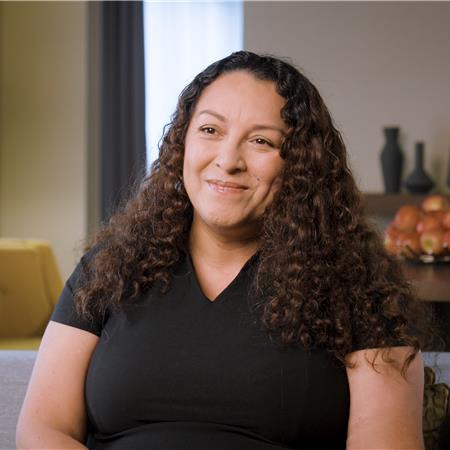
Erika Castellanos

“It felt good to be able to laugh again, even about the things we were struggling with. If I want to do anything in life, I want to make someone else smile.”

  • Erika Castellanos

Over the past three decades, Castellanos has advocated for a better quality of life for people living with HIV and the LGBTQ+ community worldwide. She now lives in the Netherlands with her husband and two children, where she runs an organization that advances equality for the transgender and gender diverse communities.

Even as the challenges facing these communities have changed, the most important part of her advocacy work has always been sharing positivity with others.

“Living with HIV is not just about managing the virus, but also about managing the judgment and prejudice that comes with it,” she said.

Castellanos emphasizes the importance of sharing stories to combat loneliness and stigma. “Don’t be shy,” she urges. “Speak out. Share your stories. Someone else will hear your message and no longer feel alone.”

Nesrine Rizk: Bridging medicine and social science in HIV care

Dr. Nesrine Rizk believes medicine is not just a science, but also a social discipline, especially when treating people with infectious diseases like HIV.

“Because of its history and transmission route, HIV is deeply intertwined with cultural norms, stigma and how people live and interact,” said Rizk, who practices in Lebanon.

Rizk advocates for comprehensive education of health care providers and the public, policy reform and community engagement to dismantle stigma.

“Stigma will impact the ability of a person to access prevention methods, stigma will impact an individual’s access to HIV health care, and stigma will affect treatment and adherence to therapy,” she said. “Stigma creates barriers to accessing prevention, care and treatment, and can lead to late diagnosis and increased mortality. It impacts their quality of life profoundly.”

In Rizk’s region, access to condoms can be limited, at-home testing is often unavailable and patients sometimes feel compelled to hide their medication from loved ones. These additional barriers to care have, in part, contributed to the region’s steep rise in new infections.

Rizk believes physicians should normalize discussions about sexual health and HIV in primary care settings, just as providers would address cholesterol or blood pressure.

Nesrine Rizk

“The bond between providers and people living with HIV is unique,” she said. “Being present to support patients throughout their life journey is essential.”

  • Nesrine Rizk

These stories are a powerful reminder that HIV advocacy is not just about HIV — it’s about humanity. Through empathy, courage and connection, individuals like Ogunkola, Castellanos and Rizk show us that change often begins with one person making the effort to care. Whether by listening, sharing or simply standing beside someone on their journey, we all have the power to make a difference.


Health awareness

Finding joy after surviving cervical cancer twice

How one woman embraced life, marriage and motherhood despite her cervical cancer diagnosis

September 29, 2025

Share this article

Facebook icon

.st0{fill:#00857C;} X icon

Linkedin icon

Email icon

Grenado and family

Several years ago, Christine Granado was living happily in New Jersey with her fiancé and then-9-year-old son, but she felt something wasn’t right.

In the span of a year, she lost three pregnancies. The first miscarriage came as a total shock. With the second, she felt confused. After the third, she was afraid something was terribly wrong. She decided to go for a routine checkup. While undergoing a series of tests ordered by her OB-GYN, she got surprising news: she was diagnosed with stage IIB squamous cell cervical cancer that had spread to her lymph nodes. At just 28, Christine said she felt disbelief.

“How can I have cancer at this age?” she asked herself. “I remember peeking through my bangs, feeling like I was trying to hide behind them.”

Young women are at risk for cervical cancer, too

Granado wasn’t alone in asking herself that question. Cervical cancer is most often diagnosed between the ages of 35 and 44. In 2022, over 660,000 people around the world were diagnosed with cervical cancer.

Regular screenings can catch early changes in the cervix before they turn into cancer, but not everyone has the same access or risk factors for cervical cancer. That’s why it’s so important to make sure everyone gets the care they need.

Beginning her cancer treatment journey

Granado started treatment as soon as possible. She was prepared for physical side effects but was overwhelmed by the other changes that soon followed, including how she felt about losing her fertility. She and her partner discussed preserving her eggs but decided against it as doing so would have delayed her treatment.

Granado’s cancer went into remission for three years, and she found joy again: She and her fiancé got married and decided to have a baby via surrogate.

The shock of a recurring cancer diagnosis

Then, soon before her son was born, Granado started having unexplained chest pains. A CT scan found enlarged lymph nodes. She was diagnosed with metastatic cancer.

“When I got the recurrence diagnosis, I was devastated. It was hard to hear, but it motivated me to finish things, to contact a lawyer and get things in my kids’ names — to think about life after me,” she said. 

It also motivated her to continue with more treatments. During her second round of treatment, Granado was able to welcome her new son. When she saw him, she took him in her arms: “I bawled my eyes out.” 

A focus on mental health 

In addition to her son’s arrival, Granado said a focus on herself has sharpened her resolve to live her best life. When the cancer came back, she grieved for her life. She would cry and sleep all day. Her depression stopped her from enjoying precious time with her family.

“The most disabling thing I dealt with was the depression,” she said. “There were days when I would feel physically OK, but I’d still stay in bed all day.” Thankfully, Granado had the support of a psychologist and a psychiatrist who helped her feel well again. 

Cervical cancer won’t stop her from living her best life 

Granado has been able to complete a master’s degree in health leadership, and her family has a new border collie named Harry. Even everyday activities like going to the hardware store and winding down with a book mean so much more now. She appreciates the small details, like watching TV with her son on the couch.

“Life has been amazingly boring,” she says. “In a good way.” 

Granado said she hopes her story will inspire others and give them hope in the face of a cancer diagnosis.

Health awareness

Navigating RSV disease: one family’s journey

As a leading cause of hospitalization for infants globally, respiratory syncytial virus (RSV) can progress to severe illness for some babies

September 23, 2025

Share this article

Facebook icon

.st0{fill:#00857C;} X icon

Linkedin icon

Email icon

Caring for a child with respiratory syncytial virus (RSV) can be challenging. New parents Amanda and Jeremy thought they were as prepared as possible for any illness for their daughter Charlotte.

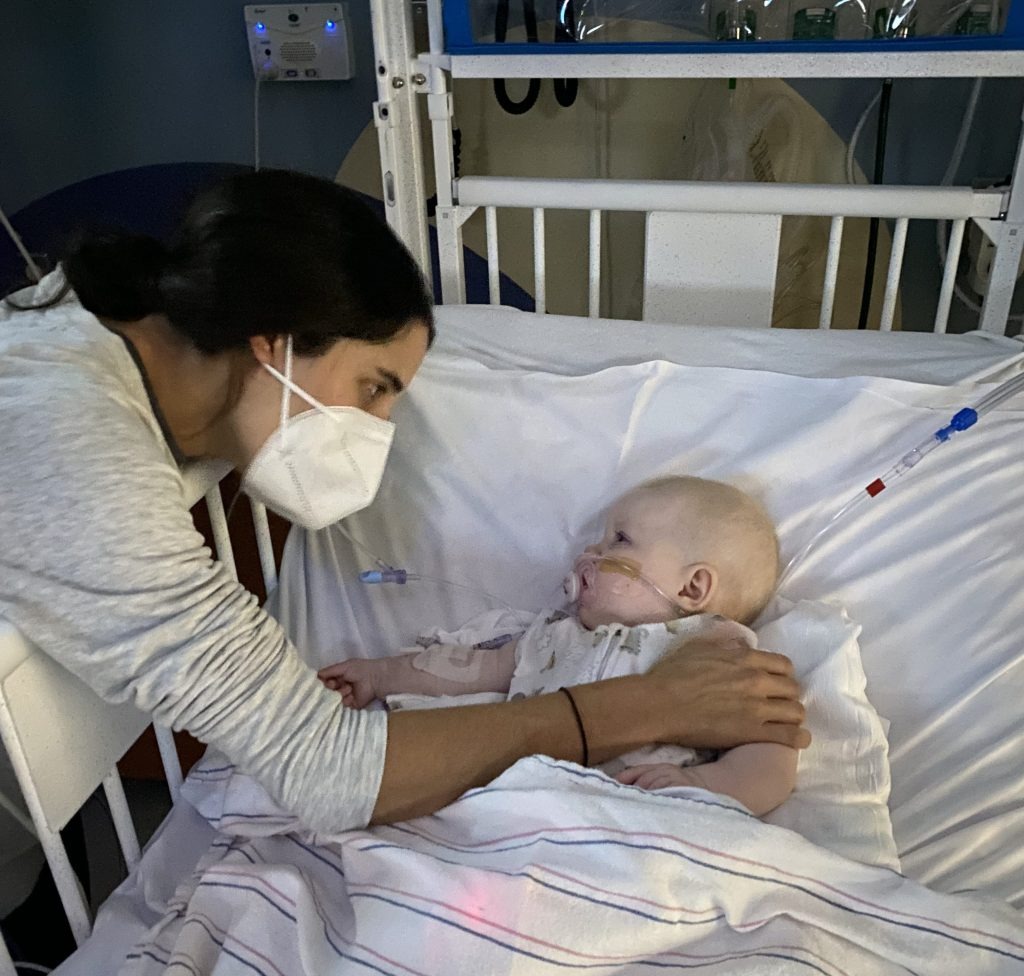
Mother comforting child in hospital

Charlotte’s first night in the pediatric ICU.

They had an established pediatrician, supportive family and friends and a variety of resources and supplies on hand to help manage symptoms. But they weren’t prepared for Charlotte to progress from having what they initially thought was a cold, with a cough and runny nose, to being admitted to the pediatric intensive care unit for RSV at only 7 months old.

RSV is a contagious, widespread seasonal infection and a leading cause of hospitalization for infants globally. Infants are among the populations most at risk of contracting the severe virus during their first RSV season.

Charlotte’s experience with RSV

“Charlotte was a happy, chill baby. When she wasn’t happy, it was usually a sign that she was about to get sick,” said Amanda, who as a first-time parent hadn’t thought much about RSV up until that point.

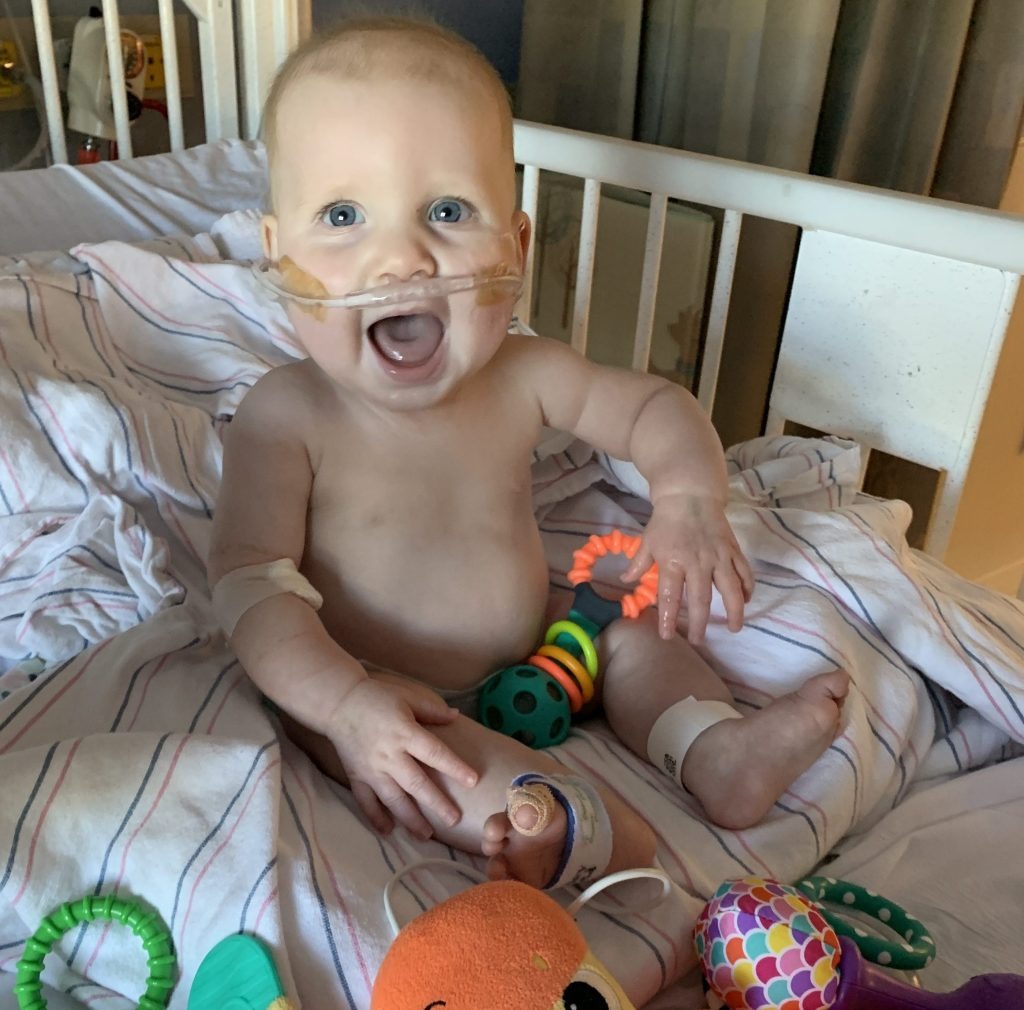
Smiling baby in crib wearing nasal cannula

On the day Charlotte was cleared to go home.

As Charlotte’s symptoms worsened, their doctor told Amanda and Jeremy what to look out for, mainly retracting or pulling in between and under the ribs, which was a sign of her struggling to breathe.

Amanda and Jeremy were surprised when Charlotte was admitted for difficulty breathing due to RSV and stayed in the pediatric ICU for a week.

Fortunately, she recovered and Amanda and Jeremy were so appreciative of her medical care. Today, Charlotte is a healthy and happy 3-year-old who loves spending time with her parents and younger brother.

Amanda understands that her family’s experience is unfortunately not unique.

"I urge all parents to understand the signs and symptoms of RSV so you can be prepared."

— Amanda

The impact of RSV on infants

RSV is a common seasonal respiratory infection that can be spread through virus droplets when an infected person coughs or sneezes, or through direct contact with the virus, like kissing the face of a child with RSV.

Common symptoms include a runny nose, fever, coughing and wheezing. While RSV doesn’t usually cause severe illness, healthy and at-risk infants can develop more severe cases that may lead to illnesses such as bronchiolitis (inflammation in the small airways of the lungs) or pneumonia (infection of the lungs) and may require hospitalization.

It’s important for caregivers to speak with a health care provider to learn more about RSV and its symptoms.

Health awareness

Infectious disease detection and prevention

Learn more about how to detect and help prevent many infectious diseases

June 6, 2025

Share this article

Facebook icon

.st0{fill:#00857C;} X icon

Linkedin icon

Email icon

Child playing at the park with his father

Infectious diseases are illnesses caused by pathogenic microorganisms such as bacteria, viruses, fungi and parasites that can spread directly or indirectly from one person to another. These diseases can range from mild to severe and can affect various bodily systems, potentially leading to significant health complications and, in some cases, death.

Vaccination is one way we can help protect against certain infectious diseases. However, in recent years, vaccination rates have been declining, which has contributed to outbreaks of some infectious diseases.

Outbreaks like these are a worrying sign of a heightened risk for the spread of vaccine-preventable diseases.

Information about certain infectious diseases 


Hepatitis A    |    Hepatitis B     |     Measles     |     Mumps   I    Rotavirus   I    I Rubella

Hepatitis A

Hepatitis A is a disease of the liver caused by the hepatitis A virus, which spreads when someone ingests the virus, usually through person-to-person contact or by consuming contaminated food or drink. Those infected may feel sick for a few weeks or several months.

illustration of girl

Signs and symptoms of hepatitis A

  • Dark urine or clay-colored stools
  • Feeling tired
  • Diarrhea
  • Fever
  • Joint pain
  • Loss of appetite
  • Nausea
  • Yellow skin or eyes (jaundice)

Potential risks and complications

In rare cases, hepatitis A can cause liver failure and death.

Back to top

Hepatitis B

Hepatitis B is a disease of the liver that’s transmitted when blood, semen or another body fluid from a person infected with hepatitis B virus enters the body of someone who in uninfected (e.g., during sexual contact or childbirth). The disease can range from a mild, acute illness lasting a few weeks to a serious long-term, chronic infection.

illustration of girl

Signs and symptoms of hepatitis B

  • Dark urine or clay-colored stools
  • Feeling tired
  • Fever
  • Joint pain
  • Nausea, stomach pain or vomiting
  • Yellow skin or eyes (jaundice)

Potential risks and complications

Approximately 15%-25% of people with chronic infection develop chronic liver disease, including cirrhosis, liver failure or liver cancer.

About 9 in 10 infants infected with hepatitis B ultimately develop a chronic infection, with the risk of chronic infection decreasing as the child gets older.

Back to top

Measles

Measles is highly contagious and can cause serious health complications, especially in children younger than 5 years old. The disease spreads through the air when an infected person coughs or sneezes, with symptoms appearing seven to 14 days after contact with the virus.

Learn more about measles.

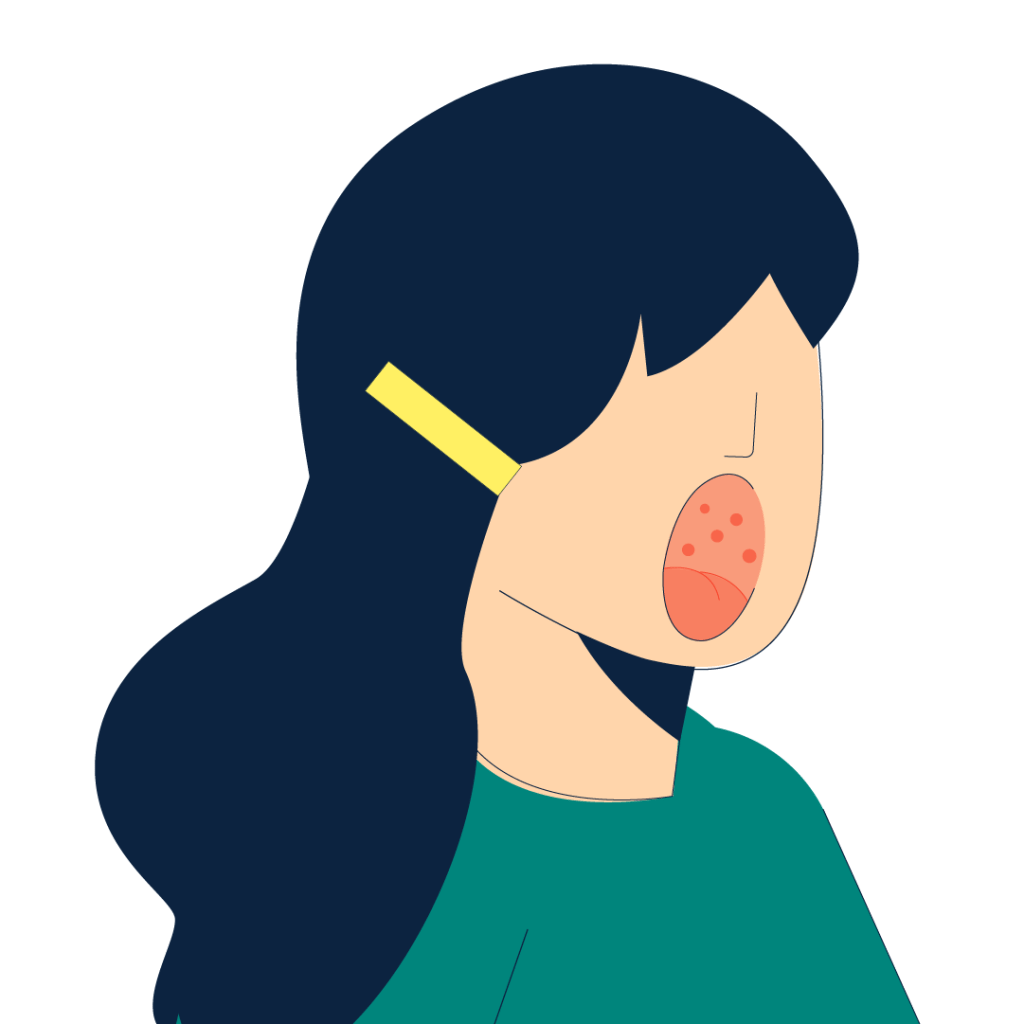
illustration of boy

Signs and symptoms of measles

  • Fever
  • Cough
  • Runny nose
  • Red, watery eyes
  • Spots in mouth
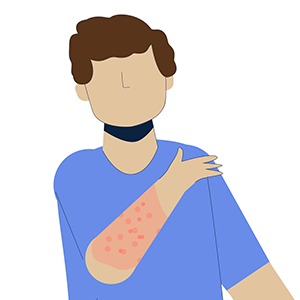
  • Rash

Potential risks and complications

Complications from measles include ear infections in about 1 in 10 children and diarrhea in fewer than 1 in 10 cases. Some children may suffer from severe complications, such as pneumonia (infection of the lungs) and encephalitis (infection of the brain).

Back to top

Mumps

Mumps is caused by a virus that affects the salivary glands. The disease spreads through direct contact with saliva or respiratory droplets from the mouth, nose or throat. It can take two to four weeks for signs of infection to show.

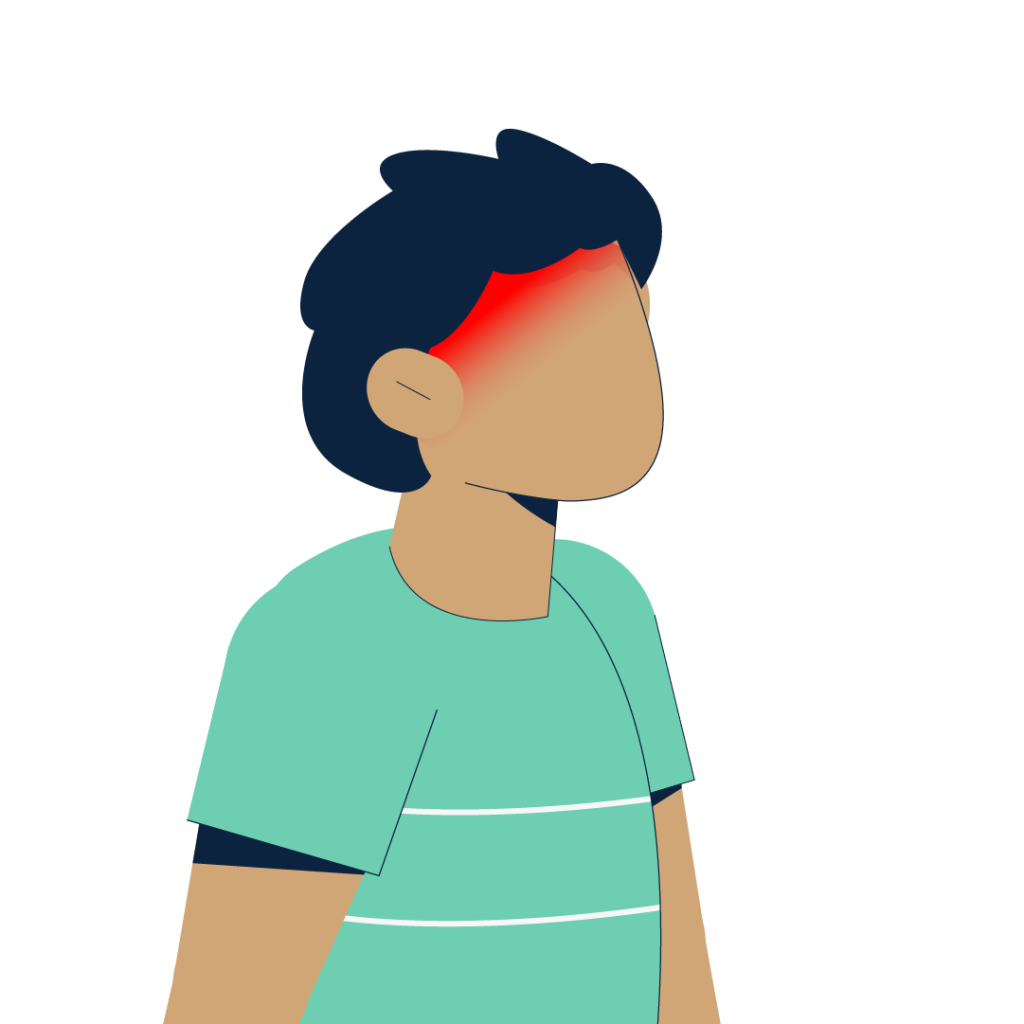
illustration of boy

Signs and symptoms of mumps

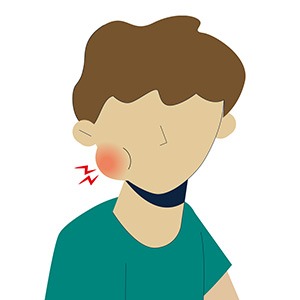
  • Puffy cheeks and a tender, swollen jaw
  • Fever
  • Headache
  • Muscle aches
  • Tiredness
  • Loss of appetite

Potential risks and complications

Although rare, mumps can cause serious complications, which include inflammation of the testicles (a condition known as orchitis).

Back to top

Rotavirus

Rotavirus commonly spreads in families, hospitals and child care centers with symptoms usually starting about two days after a person is exposed to the virus. Some symptoms can last three to eight days.

illustration of baby

Signs and symptoms of rotavirus

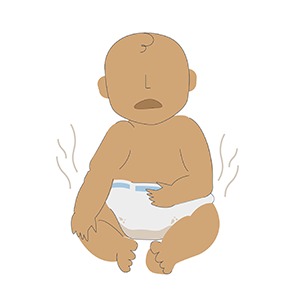
  • Severe watery diarrhea
  • Vomiting
  • Fever
  • Stomach pain
  • Dehydration
  • Loss of appetite

Potential risks and complications

Although usually self-limiting, severe illness can result in dehydration with shock leading to hospitalization or, on rare occasions, even death.

Back to top

Rubella

Rubella, also known as German measles, spreads when an infected person coughs or sneezes. The disease is usually mild with few noticeable symptoms.

About 25 to 50% of people infected with rubella will not experience symptoms but will still be at risk of spreading the infection to others.

illustration of girl

Signs and symptoms of rubella

  • Fever
  • Headache
  • Mild pink eye (redness or swelling of the white of the eye)
  • General discomfort
  • Swollen and enlarged lymph nodes
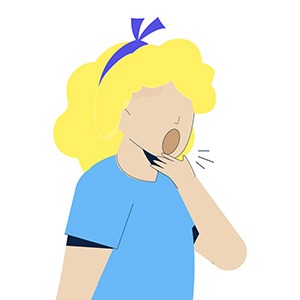
  • Cough
  • Runny nose

Potential risks and complications

Rubella is especially dangerous to developing babies during pregnancy. If you’re pregnant and become infected with rubella, there’s an increased risk of having a miscarriage or the baby dying just after birth. The virus can also be passed on to the baby, who may develop congenital rubella syndrome, which includes birth defects such as heart problems, hearing and/or vision problems or developmental delays.

Back to top

Understanding disease prevention 

illustration of workers at the office

It’s important to learn about the potential risks of these diseases.

Talk to your health care provider about ways to help prevent infectious diseases including appropriate vaccines for you and your family.

closeup of band aid on arm

Vaccines: Our history, our legacy

We’ve spent more than a century working to discover and develop vaccines.

Health awareness

Endometrial cancer: Understanding the signs and symptoms

Learn more about how you can detect endometrial cancer

May 16, 2025

Share this article

Facebook icon

.st0{fill:#00857C;} X icon

Linkedin icon

Email icon

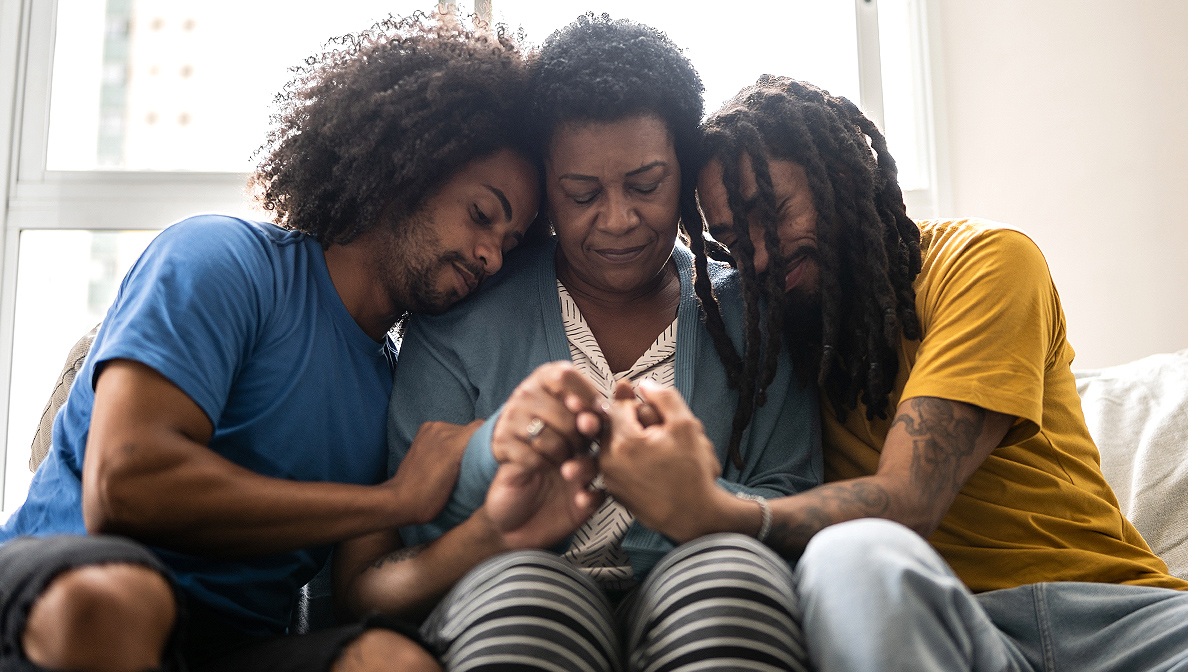
Family embracing on couch

As we age, certain changes can seem like a part of getting older, such as periods that are lighter or heavier than normal, or spotting between cycles. Yet it’s important that we recognize and raise these changes with health care providers because they may signal a more serious issue, such as endometrial cancer.

What is endometrial cancer?

Endometrial cancer is the second most commonly diagnosed gynecologic cancer worldwide. It occurs when cancerous cells form in the tissues of the endometrium or inner lining of the uterus.

How can I learn if I’m at risk for endometrial cancer?

The average age of diagnosis is around 60, with most cases occurring after menopause. Studies show Black women are more likely to be diagnosed with endometrial cancer than white women.

While age, race, family history and lifestyle choices all impact the risk of endometrial cancer, conditions that affect the body’s estrogen levels can also play a role. For example:

  • Estrogen-only hormone replacement therapy for menopause often includes an increase of unopposed estrogen to manage menopausal symptoms.
  • Polyendocrine metabolic ovarian syndrome (PMOS) usually creates higher estrogen levels.
  • Estrogen modulators may cause the uterine lining to grow.
  • Certain comorbidities, including obesity, type 2 diabetes and hypertension, have been linked as risk factors for endometrial cancer. For example, in people with obesity, fat tissue can convert certain hormones into estrogen, which increase the levels in the body.
  • The number of menstrual periods in a lifetime and a history of no pregnancies can affect estrogen levels. Beginning menstruation at a young age and experiencing menopause at a late age increases exposure to estrogen.

Abnormal vaginal bleeding is the most common sign of endometrial cancer, but there are others to keep in mind.

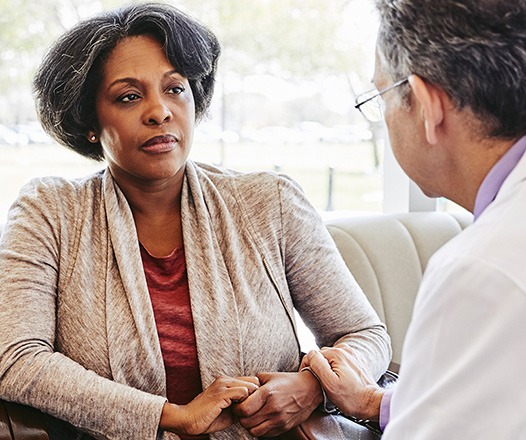
physician and patient in discussion

What to watch out for:

  • Bleeding after menopause
  • Bleeding between periods
  • A change in periods
  • Vaginal spotting
  • Abnormal vaginal discharge
  • Pelvic pain or discomfort
  • Changes to bowel or bladder habits

How is endometrial cancer diagnosed?

As there is no routine screening exam to diagnose endometrial cancer before symptoms begin, it’s important to report signs or symptoms to your doctor right away. For those who have gone through menopause, it’s especially important to report any vaginal bleeding, spotting or abnormal discharge.

Tests to diagnose endometrial cancer may include:

  • Endometrial biopsy: A thin, flexible tube is inserted into the uterus to collect a tissue sample from the endometrium.
  • Dilation and curettage: The cervix is dilated to collect tissue from the inner lining of the uterus.
  • Hysteroscopy: An instrument with a light and lens for viewing is inserted into the uterus to look for abnormal areas.
  • Transvaginal ultrasound: A probe is inserted into the vagina to produce images that are used to assess the pelvic organs, including the uterus.

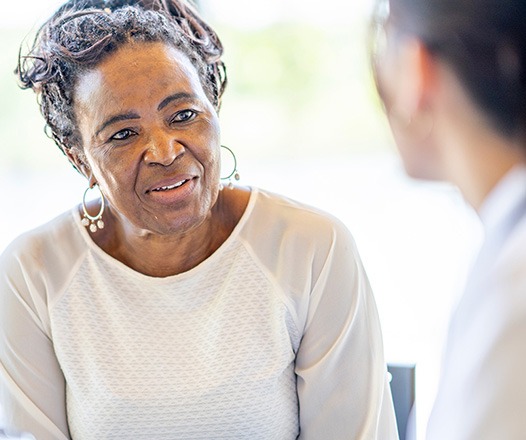
physician and patient in discussion

Being diagnosed with endometrial cancer can be scary. But by speaking with your doctor, you can better understand your options and build the best path forward.

Health awareness

When cancer comes back

An oncology researcher explains who's at higher risk for cancer recurrence and what you can do to make it less likely

May 13, 2025

Share this article

Facebook icon

.st0{fill:#00857C;} X icon

Linkedin icon

Email icon

After completing cancer treatment, patients may experience both feelings of joy and relief as well as the fear of cancer returning.

“The thought of cancer coming back can bring on a lot of emotions, but not all recurrences are the same and not all will require active treatment,” said Dr. Marjorie Green, MSD’s senior vice president and head of oncology global clinical development. “It’s important to be aware of the possibility and talk with your doctor to understand your risk.”

What is cancer recurrence?

Cancer recurrence is the return of a previously diagnosed cancer after a period during which it was undetectable. Recurrence can happen weeks, months or even years after the initial diagnosis and treatment. The cancer might come back in the same place it first started, or it might come back somewhere else in the body. The different types of recurrences are:

  • Local: Cancer returns at the same place it first started.
  • Regional: Cancer is detected in lymph nodes near the place it first started.
  • Distant: Cancer comes back in another part of the body.

Who’s at risk for cancer recurrence?

While any cancer can come back, certain types are more likely to return, for example, cancers of the bladder and pancreas. Triple-negative breast cancer (TNBC), which is hormone-receptor negative, is more likely to recur than hormone-receptor positive breast cancer. Cancers caused by tobacco use also have a higher risk of recurrence.
Beyond cancer type, certain other factors can also influence the likelihood of recurrence, including stage at diagnosis (advanced or metastatic stages may have a higher chance of returning) and tumor growth rate.

Reducing the risk of recurrence

Dr. Marjorie Green, Senior vice president and head of oncology global clinical development, MSD

“Because patients who’ve been treated for cancer face a risk of recurrence, staying informed and proactive is essential.”

  • Dr. Marjorie Green

In addition to eating right and exercising, it’s also important to stay on top of follow-up visits with your health care team. A helpful question to ask during appointments may be: Could cancer spread or come back after surgery?

“Surgery is not always the end of cancer treatment because even if all visible cancer is removed, there still may be some tumor cells remaining in the body that are too few to be detectable on screening or diagnostic tests,” Green said.

Screenings to detect new cancers are important for survivors who might be at higher risk of developing another cancer because of their treatments or from increasing age. Screenings also may help catch potential recurrences at an earlier, more treatable stage.

Learn more about the importance of diagnosing cancer early.

Health awareness

Supporting colleagues working with cancer

There are so many unknowns after a cancer diagnosis — whether or not you receive support at work shouldn’t be one of them

April 17, 2025

Share this article

Facebook icon

.st0{fill:#00857C;} X icon

Linkedin icon

Email icon

Chet Kitchen had no idea how his battle with cancer would affect his work. Our colleague of 25 years and director of global regulatory policy wasn’t used to missing big meetings and presentations for hospital visits and oncology appointments.

“It’s a constant balance between trying to focus on work and trying to focus on your health,” said Kitchen. “That’s where having a good company to support you and colleagues who appreciate you and look out for you can make the difference.”

Kitchen is a head and neck cancer survivor. After following his doctor’s treatment plan for stage 4 squamous cell carcinoma of the tonsil, he was told there was no evidence of disease. But a year later, the cancer returned, and he was put on a new treatment plan.

Head and neck cancer can begin in or around the throat, voice box, sinuses, mouth and salivary glands. More than 90% of head and neck cases are squamous cell carcinoma, which is cancer that starts in the cells that line the mucosal surfaces of the head and neck. Symptoms may include a lump in the neck or sore in the mouth or throat that does not heal or may be painful, a sore throat that does not go away, difficulty swallowing, and a change or hoarseness in the voice. 
Impact of cancer on careers

“One of the most important things a company can do to support a colleague living with cancer is to listen and understand their needs,” Kitchen said.

“To have the opportunity to take time off was so important,” he said. “My company gave me the flexibility to take care of my emotional needs by allowing me to focus on my health when I needed to, but also to focus on work when I didn’t want to think about cancer.”

Ongoing employment and return to work may help promote a sense of normalcy and control for cancer patients.

“Being diagnosed with cancer may hurt your career or make it more challenging,” Kitchen said.

“But working for our company really invigorated me. I can really appreciate the work that we do and how it impacts patients.”
— Chet Kitchen

Why we support the Working with Cancer pledge

At MSD, we’re dedicated to supporting people living and working with cancer around the world. We’re proud to be an accredited CEO Cancer Gold Standard employer and a founding member of the Working with Cancer pledge to help provide a more open, supportive and recovery-forward culture at work for cancer patients like Kitchen.
Chet Kitchen ringing the Hope Bell

Today, Kitchen’s cancer is in remission, but that doesn’t mean his patient journey is over.

“Even though you’re not physically battling cancer, it never really leaves you because it’s always somewhere in your mind,” he said. “But one of the things that’s really helped me emotionally through my survivorship is sharing my story.”

Health awareness

Understanding melanoma: The signs and risk factors

Learn more about how to monitor your skin for melanoma and ways to help prevent it

March 26, 2025

Share this article

Facebook icon

.st0{fill:#00857C;} X icon

Linkedin icon

Email icon

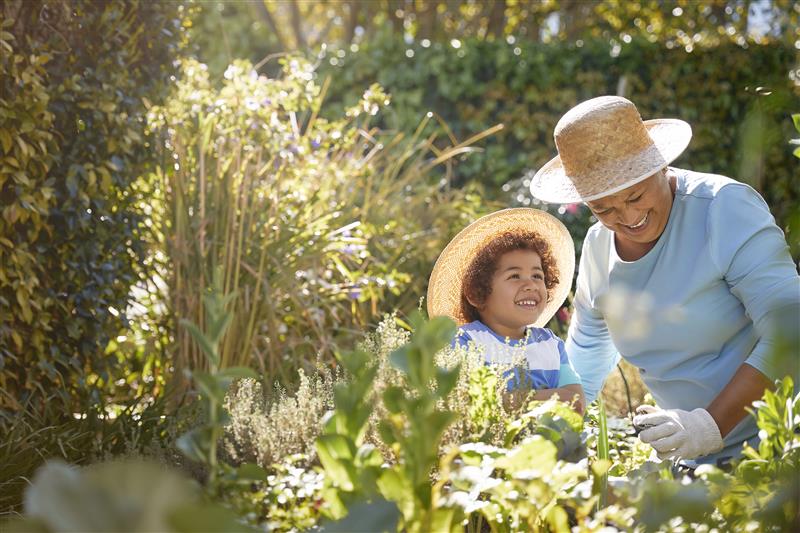
woman-and-child-in-field-of-flowers

What is melanoma?

Melanoma is a form of skin cancer. Characterized by the uncontrolled growth of pigment-producing cells, melanoma accounted for approximately 1.7% of new cancer cases worldwide in 2022.

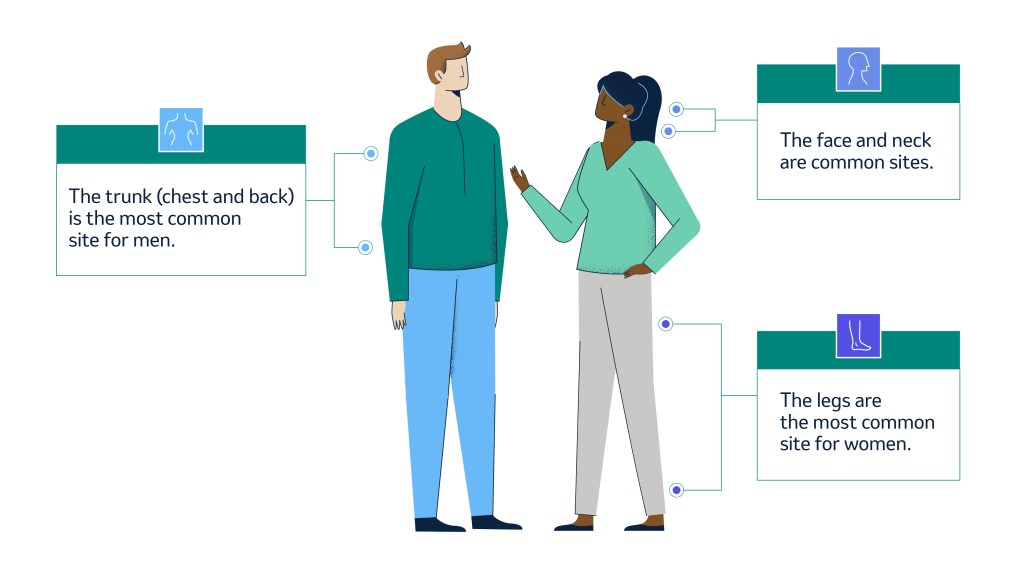
Exposure to ultraviolent (UV) radiation, either from the sun or other sources such as tanning beds and sunlamps, is a major risk factor for skin cancers, including melanoma. While melanoma can occur anywhere on the skin, including areas without sun exposure, it’s more likely to start in certain locations, like the face and neck, legs (most common in women), and chest and back (most common in men).

Illustration of man and woman. Notes indicate common locations of melanoma.

The risk of melanoma generally increases with age and incidence is greater among older populations. However, even among patients younger than 30 years, melanoma is one of the most common cancers, especially in young women.

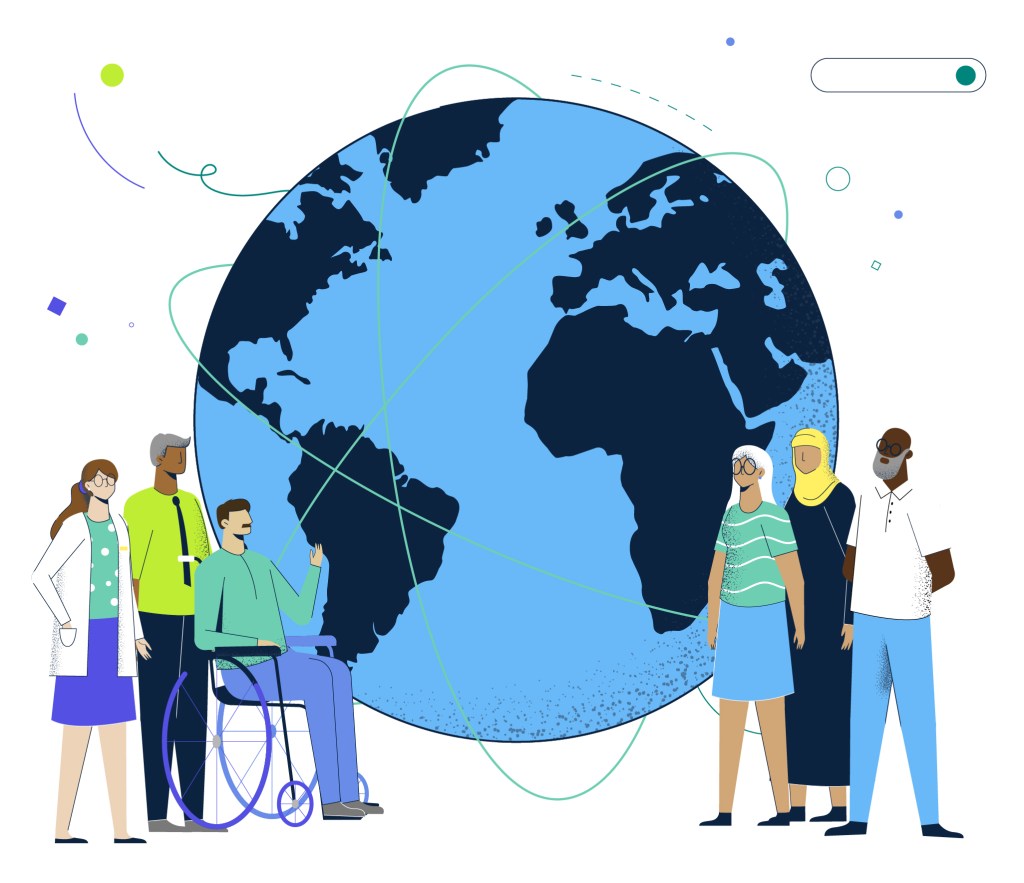
Worldwide, the melanoma diagnosis rate has risen over the past two decades

illustration of a globe and people

331,000+

Estimated number of new melanoma cases worldwide in 2022

Signs of cancerous moles

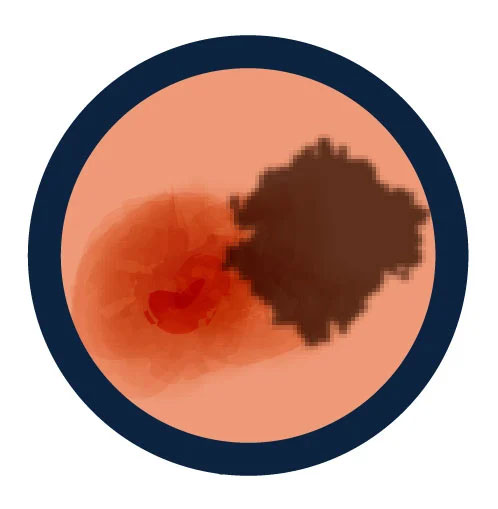
A new spot on the skin or a spot that is changing in size, shape or color, or one that looks different, is an important warning sign of melanoma and should be checked by a doctor. The ABCDE rule can be used as a guide to help identify the warning signs of melanoma:

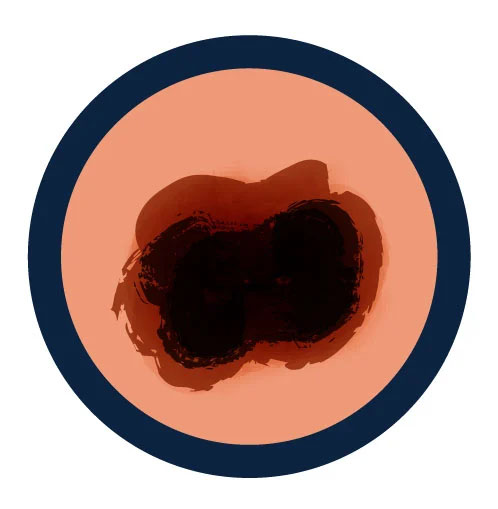
Illustration A is for Asymmetry

A is for Asymmetry

One half of a mole or spot does not match the other.

Illustration B is for Border

B is for Border

The edges of the spot are irregular, scalloped or poorly defined.

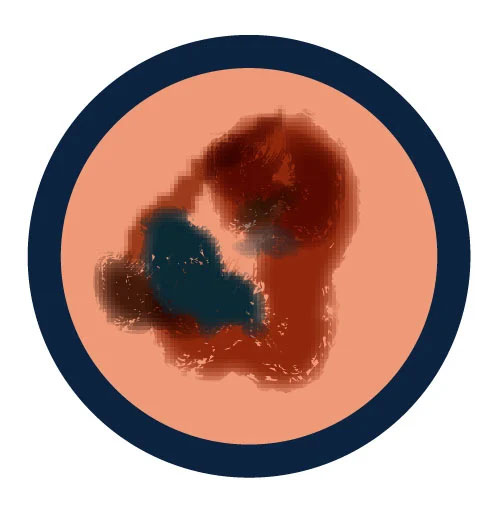
Illustration C is for Color

C is for Color

The color of the spot is not the same all over and may include different shades of brown or black, sometimes with patches of pink, red, white or blue.

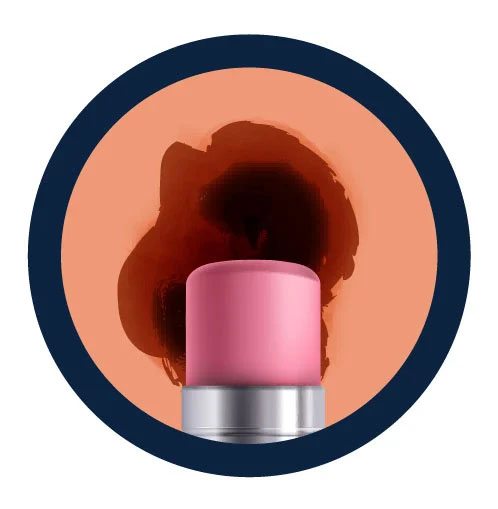
D is for Diameter

The spot is larger than 6 millimeters across. Melanoma is usually larger than 6 millimeters in size (about 1/4-inch or the size of a pencil eraser) when diagnosed. However, it can sometimes be smaller.

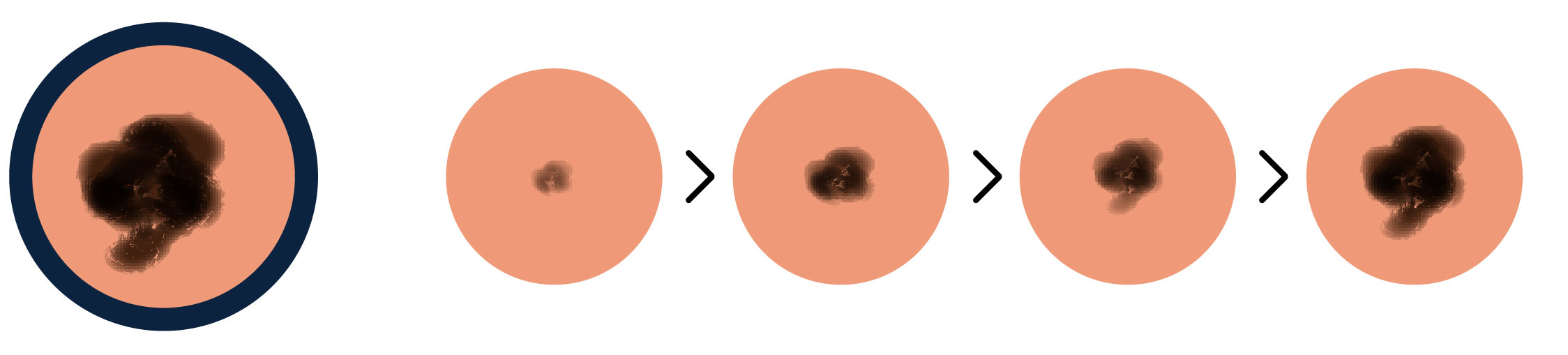
E is for Evolving

The mole is changing in size, shape or color.

Any of these warning signs should be discussed with a doctor, especially if you feel you’re at risk for melanoma.

Causes of melanoma

There are many risk factors and causes of melanoma, including:

  • UV light on your skin, such as from the sun or a tanning bed (the most common risk factor for most cases of melanoma)
  • Age — melanoma is more common in older people, but younger people are also at risk. Melanoma is one of the most common cancers in people younger than 30 years (especially among women)
  • Moles — having many moles, irregular or large moles, or atypical moles
  • Personal or family history — melanoma can be genetic and having a relative with melanoma can increase your risk
  • Fair skin or a fair complexion, a lot of freckles and/or light-colored hair and/or eyes

Ways to lower your risk of melanoma

Melanoma can’t be entirely prevented, but there are ways to lower your risk. The number one way to lower risk is to protect against UV rays, which damage the DNA of skin cells and impact the genes that control skin cell growth. That’s why it’s important to avoid tanning beds, booths, sunlamps and other artificial sources of UV radiation. However, the top source of UV rays is the sun. That’s why it’s important to practice sun safety every time you go outside, even on cloudy days when UV rays can still shine through. Here are a few ways to protect yourself:

illustration of beach chair and umbrella on the sand.
Seek shade

UV exposure is greatest between the hours of 10 a.m. and 4 p.m. If you need to be outside during these hours, seek shade.

illustration of person wearing a big beach hat
Wear a hat

Try to find a hat with a wide brim — at least 2 or 3 inches wide — to protect your face, top of the head, ears and neck.

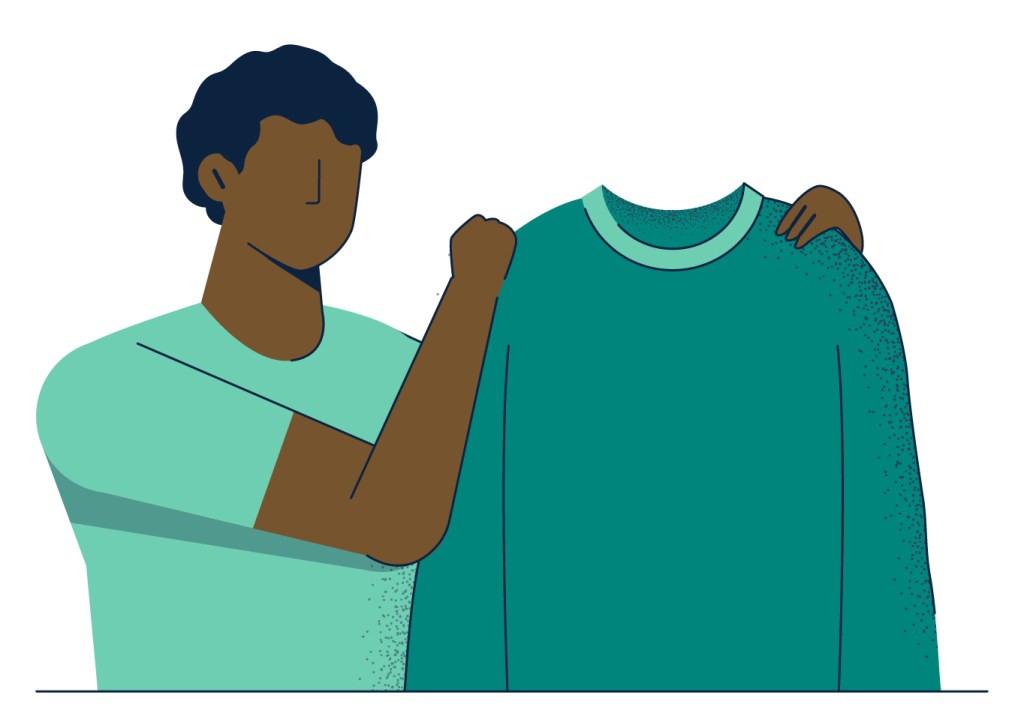
illustration of man holding loose long sleeve shirt
Cover up

Choose clothing with a tight knit or weave and avoid shirts that you can see through. Remember, if light is getting through, UV rays are too.

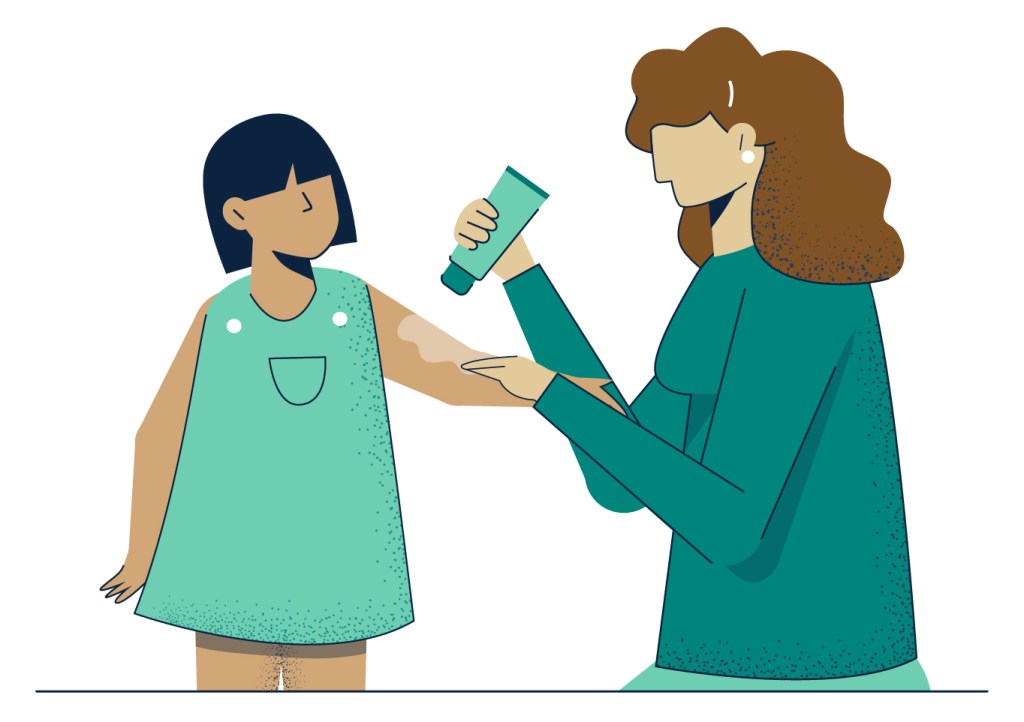
illustration of woman applying sunscreen to child
Use sunscreen

For extended outdoor activity, use a water-resistant, broad spectrum sunscreen with an SPF of 30 or higher.

illustration of hand holding sunglasses
Wear sunglasses

Protect your eyes and the sensitive skin around them. Pick a pair of sunglasses that will block as close to 100% of both UVA and UVB rays as possible.

Health awareness

VIDEO: Living with pulmonary arterial hypertension

One woman’s story shows the power of knowledge and support for patients with pulmonary arterial hypertension (PAH)

March 18, 2025

Share this article

Facebook icon

.st0{fill:#00857C;} X icon

Linkedin icon

Email icon

Pulmonary arterial hypertension (PAH) entered Colleen’s life unexpectedly. She was 35 when she noticed she became short of breath easily. She thought it was due to the weight she gained during her recent pregnancy. A year later, Colleen lost the weight but was still gasping for breath after climbing a few flights of stairs. Colleen wasn’t only feeling fatigued; she was worried. She’d later learn these were symptoms of PAH.

Colleen was first diagnosed with asthma, but her condition continued to worsen. She searched for an answer while daily tasks became more difficult. It took two and a half years for Colleen to be referred to a cardiologist who properly diagnosed her with PAH, one of the five different types of a broader condition called pulmonary hypertension (PH).

What is pulmonary arterial hypertension (PAH)?

PAH is a rare and life-threatening condition that progressively worsens. It is a type of high blood pressure in the small arteries of the lungs. This condition occurs when these vessels thicken, narrowing the space for blood to flow and leading to increased pressure in the pulmonary circulation. As a result, the right side of the heart must work harder to pump blood through these arteries. Over time, the right side of the heart can become weakened and lose function.

PAH has similar symptoms to other common lung diseases, such as asthma, which can make it difficult to diagnose.

Recognizing the signs and symptoms of PAH

The exact cause of PAH is unknown, and most people with PAH have no known family history of the disease. People may not notice any early-stage symptoms of PAH, but as the disease progresses, they may experience common symptoms, such as increased shortness of breath, peripheral edema (swelling of the feet and/or legs), fatigue, dizziness, fainting spells, and heart palpitations (racing heart).

PAH can hinder a person’s physical abilities and impact everyday tasks.

“Living with pulmonary arterial hypertension isn’t easy.”

  • Colleen, patient with PAH

“I had to purchase a scooter to do outside activities with my children. I couldn’t perform basic functions for myself and my family or make it to the sidelines of a baseball field to watch my son play. I was truly relegated to living on the sidelines myself. But through it all, I’ve never given up,” said Colleen.

Raising awareness for PAH

In addition to working with her doctor, Colleen found comfort through her support system. Since her diagnosis, Colleen has dedicated her life to raising awareness of PAH and helping others living with the disease. “It’s important for patients and the community to have knowledge and encourage each other. Whatever we can do to lift the community and spread awareness of this devastating disease is appreciated,” she added.

Colleen and friends holding sign that says "HOPE"

Health awareness

Sarampión: signos y síntomas

Obtenga más información sobre qué es el virus del sarampión y cómo se propaga

February 19, 2025

Share this article

Facebook icon

.st0{fill:#00857C;} X icon

Linkedin icon

Email icon

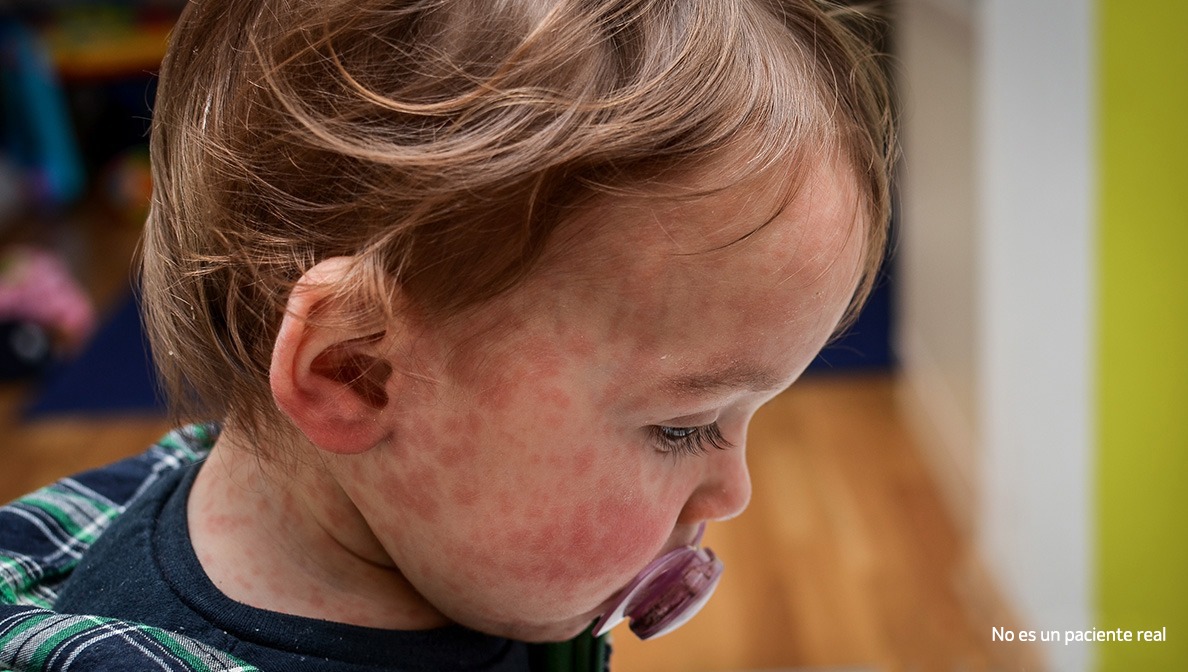
Little girl with measles
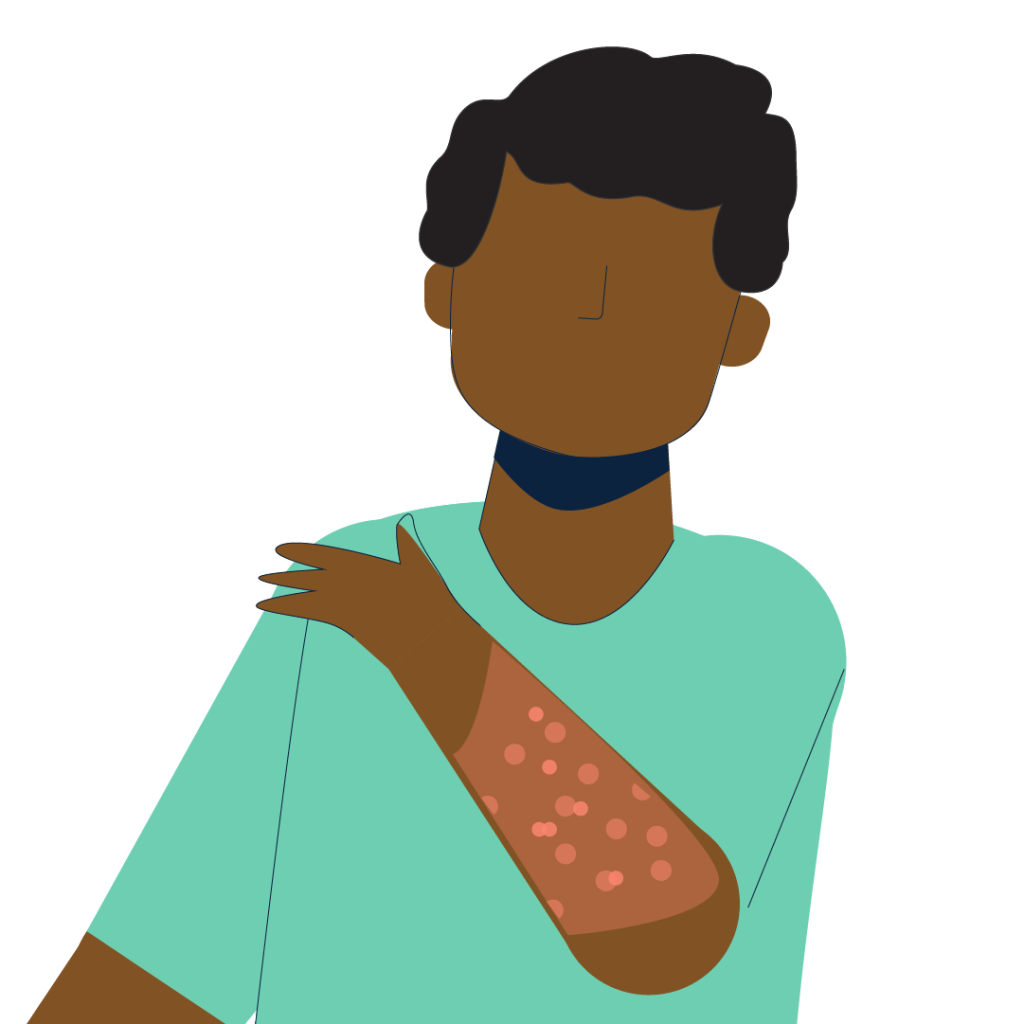
Mom and son with measles illustration

¿Qué es el sarampión?

El sarampión es una enfermedad viral altamente contagiosa que puede afectar a personas de todas las edades, pero es más común en los niños. El sarampión se propaga por el aire cuando una persona infectada tose o estornuda. Los síntomas aparecen entre 10 y 14 días después del contacto con el virus.

Los síntomas comunes del sarampión incluyen los siguientes:

Fiebre alta

(puede subir repentinamente a más de 40 °C)

Tos

Moqueo

Ojos rojos y llorosos

(conjuntivitis)

Manchas en la boca

(2-3 días después de que comiencen los síntomas)

Erupción

(3-5 días después de que comiencen los síntomas)

Cómo se propaga el sarampión

icon
¿El sarampión se transmite por el aire?

El virus del sarampión puede permanecer hasta dos horas en el ambiente después de que una persona infectada abandona un sitio.

icon
¿Qué tan contagioso es el sarampión?

Si una persona tiene sarampión, hasta el 90% de las personas no vacunadas que se encuentren cerca de ella también se infectarán.

icon
¿Por cuánto tiempo es contagioso el sarampión?

Las personas infectadas pueden transmitir el sarampión a otras entre cuatro días antes y cuatro días después de que aparezca la erupción.

icon
¿Cuánto dura el período de incubación del sarampión?

Después de estar expuesto al virus del sarampión, este puede incubarse por hasta 21 días.

icon
¿El sarampión causa complicaciones?

El sarampión puede causar complicaciones de salud. Las más comunes son las infecciones de oído y la diarrea. Las complicaciones graves incluyen neumonía y encefalitis (inflamación del cerebro). El sarampión puede afectar la vida diaria de los pacientes y de sus cuidadores (por ejemplo, puede dar lugar a una pérdida de horas de trabajo o días de escuela).

El sarampión puede ser grave y causar complicaciones 

  • El sarampión puede causar graves complicaciones de salud, perjudicar varios órganos, provocar ceguera y afectar los oídos, el tracto gastrointestinal y el sistema nervioso central, incluyendo la inflamación del cerebro y la muerte.
  • Aproximadamente el 30% de los casos de sarampión notificados tienen una o más complicaciones, como encefalitis o neumonía.
  • Cada día, aproximadamente 373 personas mueren en todo el mundo por complicaciones relacionadas con el sarampión, lo que equivale a más de 15 muertes por hora a partir del 2023.

Brotes de sarampión

icon

Se estima que, en 2022, hubo 136.000 muertes por sarampión en todo el mundo, la mayoría entre niños menores de 5 años no vacunados o no lo suficientemente vacunados, a pesar de la disponibilidad de una vacuna segura y rentable.

icon

En 2022, un 43% más de personas murieron de sarampión en todo el mundo que en el 2021. La propagación y la escala de la incidencia mundial de la enfermedad del sarampión aumentaron un 18%, con más de 9,2 millones de casos registrados.

icon

La región europea sufrió un aumento de casos de sarampión en 2023, con más de 30.000 casos notificados por el 75% de los países (40 de 53), incluidas 21.000 hospitalizaciones.

Tanto los desastres naturales como los conflictos pueden poner a los países en mayor riesgo de brotes mortales de sarampión al dañar la infraestructura sanitaria, interrumpir los servicios de salud y colocar a las personas en campamentos residenciales superpoblados.

En 2023, se notificaron 321.582 casos de sarampión a nivel mundial, un aumento del 88% respecto a 2022.

La cantidad de niños que recibieron la primera dosis de la vacuna contra el sarampión fue del 83% en 2023, muy por debajo del 86% registrado en el 2019.

La pandemia del COVID-19 provocó retrocesos en los esfuerzos de vigilancia e inmunización. El sarampión suele ser la primera enfermedad que resurge cuando disminuyen las tasas de vacunación pediátrica, lo que pone a las comunidades en mayor riesgo de brotes de sarampión prevenibles.

El sarampión todavía es común en muchas partes del mundo y los viajeros con sarampión pueden llevar la enfermedad a países que la han eliminado en gran medida. El sarampión puede propagarse rápidamente.