Health awareness

Driving prostate cancer research forward

Our scientists are dedicated to advancing research for potential treatment options for people diagnosed with prostate cancer

September 6, 2024

Share this article

Facebook icon

.st0{fill:#00857C;} X icon

Linkedin icon

Email icon

Scientist wearing full protective gear working

It’s estimated that nearly 1.5 million people assigned male at birth were diagnosed with prostate cancer in 2022 worldwide.

But these patients aren’t just a statistic or a number. They’re our partners, our parents, our children, our siblings and our friends. They’re our loved ones, fighting for better outcomes and a chance for the future. And that’s who we’re fighting for, too.

“Globally, someone is diagnosed with prostate cancer nearly every minute. That’s why we’re working with urgency to advance research and provide potential treatment options for patients living with this disease.”

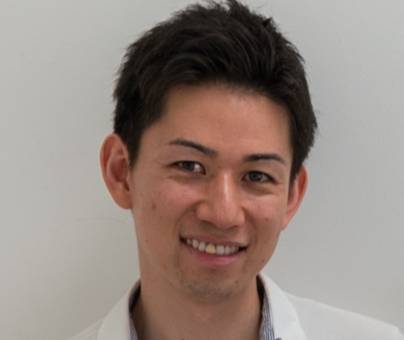
  • Dr. Kentaro Imai, distinguished scientist, oncology, prostate clinical research

The impact of prostate cancer on patients

Prostate cancer is the second most commonly diagnosed cancer and the fifth leading cause of cancer death in patients assigned male at birth worldwide. The average age at diagnosis is 66 years old. Prostate cancers is more likely to develop among those with African ancestry or a family history of the disease.

Prostate cancer can be genetic in other ways, too. Several inherited genetic mutations — such as those of the BRCA1 or BRCA2 genes — can increase prostate cancer risk. These types of genetic mutations, among others, can be identified through testing your tumor (also known as biomarker testing).

For those patients who are diagnosed with early stage prostate cancer, the prognosis is promising, with a five-year survival rate of nearly 100%. However, for patients with prostate cancer at an advanced stage, the outcomes can be dramatically different, and the five-year survival rate remains low.

“As with many cancers, patients with prostate cancer have the greatest chance of survival when their disease is detected early,” said Dr. Imai. “The prognosis for prostate cancer worsens as it spreads to other areas of the body, given that there are limited treatment options at that stage. It’s critical that we push forward to identify new options for these patients.”

Our commitment to prostate cancer research

Our science, coupled with new insights into the disease, continues to guide us as we pursue clinical advancements in prostate cancer.

Dr. Kentaro Imai, Distinguished scientist, oncology, prostate clinical research, MSD

"Our scientists are working diligently each and every day in an effort to discover new solutions for patients with prostate cancer."

— Dr. Kentaro Imai

Distinguished scientist, oncology, prostate clinical research

Since the next breakthrough can come from anywhere or anyone, we regularly collaborate across the entire prostate cancer community, working with health care providers, other companies, academia and advocates to gain a deeper understanding and make progress for patients with prostate cancer.

“The fight against prostate cancer is constantly evolving, and therefore our approach to the disease must evolve, as well,” said Dr. Imai. “We’re committed to pushing boundaries in pursuit of breakthrough advances that have the potential to change the lives of patients living with prostate cancer.”

Health awareness

Understanding lung cancer: 5 essential things to know as a patient or caregiver

What to know about one of the most common types of cancer

August 21, 2024

Share this article

Facebook icon

.st0{fill:#00857C;} X icon

Linkedin icon

Email icon

lung and stethoscope icon

Lung cancer is one of the most commonly diagnosed cancers worldwide. In 2022, it was estimated that more than 2.4 million people globally were diagnosed with lung cancer.

Lung cancer is also the leading cause of cancer death worldwide. Nearly one-in-five (19%) cancer-related deaths were estimated to result from the disease worldwide in 2022.

Despite how common lung cancer is and its high mortality rates, there are still many misconceptions about the disease. Having accurate information is a critical step in the fight against lung cancer.

Our company is working for these patients and their families by advancing research and fostering greater awareness and understanding of the disease.

Here are five facts about lung cancer that we think patients or caregivers need to know.

01.

Every person with lung cancer deserves compassion and support.

People with lung cancer can face social stigma because they may have smoked. But the truth is, there’s no room for blame. People with lung cancer are worthy of all the compassion and support their families, health care teams and the wider cancer community can provide to help them stand against this disease.

Caregiver holding patient's hand

02.

It takes a village to navigate life with lung cancer.

When coping with a lung cancer diagnosis, it’s important to build a circle of support that includes the oncologist, health care teams, family and friends.

Connecting with others can provide a sense of support and comfort to help patients through everything that goes into managing this disease.

03.

There’s no one type of person who develops lung cancer.

Lung cancer strikes both men and women. While it is mostly diagnosed in older people, younger people can develop the disease. In fact, in 2022, more than 312,000 cases of lung cancer were estimated to be diagnosed worldwide among people 54 and younger.

Crowded street downtown

04.

There are multiple risk factors for lung cancer, including some outside our control.

Smoking is the greatest risk factor for developing lung cancer, but there are others as well, including having a family history of the disease and exposure to certain environmental substances. Worldwide, it is estimated that 10-25% of patients with lung cancer have never smoked with even higher proportions based on ethnicity and geographic region.

Environmental risks include:

  • Exposure to radon gas.
  • Exposure to occupational carcinogens, such as asbestos.
  • Exposure to outdoor air pollution, such as second-hand smoke, arsenic, chromium and nickel.

05.

Scientific advances are helping to make an impact in treating lung cancer.

Over the last 20 years, significant strides have been made to improve patient outcomes in the treatment of lung cancer. Key advancements include the development of targeted therapies, the incorporation of biomarker testing into standard practice and the progress of research that may offer promising breakthroughs for patients with difficult-to-treat tumor types.

Scientist looking through microscope
Health awareness

Update to supply issue regarding OncoTICE

We know how important it is to get medicines to the people who need them and providing those medicines is at the center of what we do

January 24, 2024

Share this article

Facebook icon

.st0{fill:#00857C;} X icon

Linkedin icon

Email icon

Drone aerial picture of site

In 2012, MSD unexpectedly became the sole manufacturer of OncoTICE® in many countries around the world. Increasing global demand has outpaced our current maximum manufacturing capabilities. In recognition of the medical need for this product, MSD continues to operate at maximum production capacity. Due to the increasing global demand, MSD has been experiencing a supply shortage for OncoTICE. 

In October 2020, we announced our plans to construct a new manufacturing facility in Durham, North Carolina, U.S., to significantly expand our production capacity for OncoTICE. This investment reaffirms our longstanding commitment to producing this medicine, and all our medicines, for patients who need them.

If patients have questions regarding OncoTICE, they should speak with their physicians. Additional information related to the shortage, current allocation practices, and our efforts to increase supply, including construction of a new manufacturing site, is below.

FAQs: supply & availability of OncoTICE

What is the cause of the shortages and backorders for OncoTICE?

Since 2012, when MSD unexpectedly became the sole manufacturer of OncoTICE in many countries around the world, increasing global demand has outpaced our current maximum manufacturing capabilities. While the company has many years of experience producing OncoTICE, this medicine has a lengthy and inherently complex manufacturing process.

Prior to 2012, additional manufacturers supplied the U.S. market with OncoTICE, with MSD providing 30-40% of overall U.S. supply. As other manufacturers exited the U.S. market in 2012, MSD became the sole supplier to the U.S. and increased production of OncoTICE to the full extent of MSD’s current manufacturing capacity. These efforts enabled MSD to double supply of OncoTICE to the U.S. market despite being the only manufacturer, in recognition of the medical need for this product.


Can you provide an update on the new facility?

MSD is working to complete this project and meet patient needs in as timely a manner as possible. While this commitment is an important step in making sure that adequate supply of OncoTICE is available, completing construction, inspection, and regulatory approvals of a manufacturing facility may take approximately five to six years in total.

Construction is well underway, barring any unforeseen circumstances, the new facility is on track to the previously announced timeline and will be completed by late 2025 to late 2026. Supply will gradually increase over time following local market review and approvals.

Once this new facility is fully operational, we expect to triple our current manufacturing capacity of OncoTICE. We anticipate that this will meet the needs of physicians and their patients for the foreseeable future. The investment in this new manufacturing facility reaffirms MSD’s longstanding commitment to producing this medicine for patients.


Can you please describe how the allocation process works outside the U.S.?

MSD allocates available supply among markets based on historical demand patterns. This process is designed to proportionally allocate OncoTICE to minimize disruption to patient care as much as possible.


Where can I find more information about the availability of OncoTICE??

Patients:
Patients should reach out to their physician, as they are in the best position to answer questions about the availability of the medicine in their practice, and can inquire about the quantity and timing of product availability with their supplier.

Health care professionals:
Health care professionals with questions regarding allocation should contact their wholesaler or distributor.


Health awareness

Empowering others to speak up about HPV-related cancers

The impact of Gina’s diagnosis inspired her to help others prioritize their health

January 9, 2024

Share this article

Facebook icon

.st0{fill:#00857C;} X icon

Linkedin icon

Email icon

After 20 years of normal cervical screenings,* Gina Esposito was confident her next routine screening wouldn’t be any different. So, when she was diagnosed with human papillomavirus (HPV)-related cervical precancer at 47 years old, she was surprised.

“The sinking feeling I had when I received my diagnosis was intense because I wasn’t expecting it,” she said.

*A cervical screening, often referred to as a pap test or pap smear, looks for precancers or cell changes that might become cervical cancer if not treated appropriately.

The impact of HPV-related cancers and diseases

More than 80% of cervical cancers are associated with HPV. For most people, HPV clears on its own. But for those who don’t clear the virus, it could cause certain cancers and diseases.

After her diagnosis, Esposito underwent a procedure to remove the abnormal cells from her cervix. When a follow-up test showed that there were still some abnormal cells present, she consulted with a doctor and decided to get a hysterectomy.

At first, she felt embarrassed by her diagnosis. As she started to share her story, she noticed that others felt ashamed to speak about HPV-related cancers and diseases. She knew something had to change.

“I have a newfound responsibility to take the stigma away, to say ‘the shame has to go away,’ whether you’re a woman or a man,” Esposito said.

Throughout her experience, she says her daughter has been a source of strength.

“You don’t want your child to be without you or to experience the loss of a parent. You want to be around for all of their milestones and they want you around,” Esposito said. “So, she keeps me motivated because there’s an expectation that mom’s going to be around.”

Gina Esposito

“I try to be a positive disruptor in this space and normalize it so that people go for early screenings and routine screenings and that they get treatment if they need it.”

— Gina Esposito

The importance of routine care

In some ways, Esposito considers herself lucky. Her commitment to prioritizing routine care helped her catch her disease early.

“I’m so glad I took the time to go to my screening – it helped catch my disease early,” she said.

Esposito is working to ensure her daughter also prioritizes getting routine care and understands the value of prioritizing her health, especially as she approaches adulthood.

“She knows you need to own your own health because no one else is going to do it for you,” she said. Esposito encourages colleagues across our company to prioritize their health, too.

Esposito plans to continue helping men and women feel comfortable discussing HPV-related disease and get the preventative care they need.

“When I talk with others, I focus on what happened to me so they can use it as an example,” Esposito said. “I get people emailing me, texting me, going, ‘I’m going to make my appointment today.’ And if we can have one person that we get early, then my job is done.”

Health awareness

Staying positive with pulmonary arterial hypertension

From struggling to breathe to advocating for others, one woman with PAH shares her story

October 24, 2023

Share this article

Facebook icon

.st0{fill:#00857C;} X icon

Linkedin icon

Email icon

A decade ago, Nola Martin was having trouble breathing, and she was gaining weight. She assumed it was simple: She started to focus on improving her diet and getting more exercise, but she wasn’t seeing results.

“Little did I know the situation was a lot more serious than that,” she said.

Martin was diagnosed with pulmonary arterial hypertension (PAH) and scleroderma. PAH is a disease of high blood pressure in the lungs. Her PAH was associated with scleroderma, a connective tissue disease that can affect the skin, blood vessels and organs and can cause PAH.

“I had two illnesses, and I had no idea what they were from. How did I get them? I was hearing all these terms I’d never heard of before.”

  • Nola Martin

Finding the right care

Martin said that the confusion and complexity of having two chronic diseases made the beginning of her journey the most challenging. Through her experience with PAH, she said she learned that “you must find a facility that is familiar with your disease.” She recommends the Pulmonary Hypertension Association as a great place to start learning about PAH.

While she knows her PAH is progressive, she chooses to stay positive.

“What I learned about advocating for myself with PAH is that no one is going to fight as hard for me as I will,” said Martin. “I know my body. I know when something is different, but I also know that my doctors are not mind readers. If I don’t share with them what is going on, including the smallest details, they can’t give me the proper treatment I need.”

Nola Martin headshot

Staying hopeful through connection

It’s important to Martin to connect with other PAH patients and educate people about the disease.

Since her diagnosis, she’s educated numerous people about PAH and scleroderma. She believes in the importance of raising awareness and telling her story. It’s sometimes hard for her to explain to people that even if she doesn’t appear sick, she may still be dealing with difficult symptoms.

“PAH has affected so much of my daily life — simple things like vacuuming, doing the laundry, taking a shower and going to the grocery store,” Martin said. “I encourage others to be understanding and avoid making assumptions about a person with PAH based on their outward appearance.”

She urges people to be supportive and listen when someone shares their story.