Health awareness

How you can help slow the threat of antimicrobial resistance

The growing burden of AMR is threatening the return to a world without effective antibiotics

October 31, 2023

Share this article

Facebook icon

.st0{fill:#00857C;} X icon

Linkedin icon

Email icon

Mother and daughter washing hands

Before antibiotics were discovered in the 20th century, contracting an infection could be fatal. Their discovery was a turning point in human history, revolutionizing medicine and saving countless lives. However, the growing burden of antimicrobial resistance (AMR) is threatening the return to a world without effective antibiotics.

We all have a responsibility to address this threat, and it will take dedicated efforts from all sectors across health care, including patients, to make a difference.

Here are four groups that can play a role in helping slow the threat of AMR:

01.

Patients

Be vigilant in infection prevention efforts and always use antibiotics correctly

We each play an important role in slowing the threat of AMR— starting with preventing infections that require antibiotics in the first place. Washing hands, preparing food hygienically and keeping up to date with vaccinations are all measures to help avoid infections.

Another important action patients can take is using antibiotics only when they’re needed. Always follow health care providers’ (HCPs) directions and never share or take leftover antibiotics, which may not be needed and may cause resistance. If your HCP believes antibiotics are not the correct treatment to help your condition, ask about other options. Taking antibiotics when they’re not needed may advance AMR. Bottom line: It is important to follow the guidance that your medical team gives you for treatment.

Antimicrobial resistance pill

02.

Health care professionals

Be a source of antibiotic guidance

HCPs and medical systems need to preserve the effectiveness of antibiotics. It’s up to the health care providers to help ensure that the right treatment is given based on an accurate diagnosis. Hospitals should have a plan in place, with principles customized to their local needs, to guide the appropriate use of these medicines.

Nurse consulting patient

03.

Policymakers

Encourage antimicrobial innovation

We need new antibiotic options to stay ahead of the evolving bacteria. Governments can help. Incentive packages can provide a sustainable return on investment for the development of new antimicrobials. Encouraging innovation would allow companies to invest in the research and development needed. As a result, this would help provide health care professionals around the world with the tools they need to help patients fighting infections.

Signature

04.

Industry leaders

Invest in new developments

Finally, the participation of leading biopharmaceutical companies is crucial to addressing the growing threat of AMR.

For more than 100 years, MSD has played a significant role in the discovery and development of novel medicines and vaccines to combat infectious diseases. And, in an effort to affect widespread change, we’ve supported efforts around the world that aim to address AMR through surveillance initiatives, collaborating with hospitals to fund education and implement stewardship programs, and advocating for substantial policy changes.

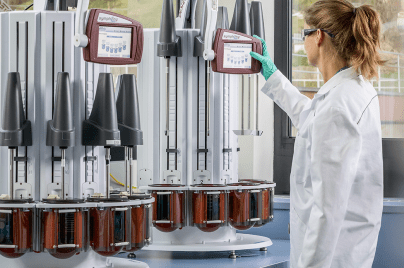
Researcher in the lab

There is no single solution to the complex problem of AMR; it’s up to all of us to take collective action. We hope you’ll join our efforts and play your individual part to help ensure that patients have access to the antibiotics they need, now and in the future.

Health awareness

Staying positive with pulmonary arterial hypertension

From struggling to breathe to advocating for others, one woman with PAH shares her story

October 24, 2023

Share this article

Facebook icon

.st0{fill:#00857C;} X icon

Linkedin icon

Email icon

Headshot of woman colleague

A decade ago, Nola Martin was having trouble breathing, and she was gaining weight. She assumed it was simple: She started to focus on improving her diet and getting more exercise, but she wasn’t seeing results.

“Little did I know the situation was a lot more serious than that,” she said.

Martin was diagnosed with pulmonary arterial hypertension (PAH) and scleroderma. PAH is a disease of high blood pressure in the lungs. Her PAH was associated with scleroderma, a connective tissue disease that can affect the skin, blood vessels and organs and can cause PAH.

“I had two illnesses, and I had no idea what they were from. How did I get them? I was hearing all these terms I’d never heard of before.”

  • Nola Martin

Finding the right care

Martin said that the confusion and complexity of having two chronic diseases made the beginning of her journey the most challenging. Through her experience with PAH, she said she learned that “you must find a facility that is familiar with your disease.” She recommends the Pulmonary Hypertension Association as a great place to start learning about PAH.

While she knows her PAH is progressive, she chooses to stay positive.

“What I learned about advocating for myself with PAH is that no one is going to fight as hard for me as I will,” said Martin. “I know my body. I know when something is different, but I also know that my doctors are not mind readers. If I don’t share with them what is going on, including the smallest details, they can’t give me the proper treatment I need.”

Nola Martin headshot

Staying hopeful through connection

It’s important to Martin to connect with other PAH patients and educate people about the disease.

Since her diagnosis, she’s educated numerous people about PAH and scleroderma. She believes in the importance of raising awareness and telling her story. It’s sometimes hard for her to explain to people that even if she doesn’t appear sick, she may still be dealing with difficult symptoms.

“PAH has affected so much of my daily life — simple things like vacuuming, doing the laundry, taking a shower and going to the grocery store,” Martin said. “I encourage others to be understanding and avoid making assumptions about a person with PAH based on their outward appearance.”

She urges people to be supportive and listen when someone shares their story.

Health awareness

VIDEO: Patient with PAH shares her clinical trial experience 

Diagnosed with pulmonary arterial hypertension, Colleen Brunetti knows the importance of participating in clinical trials

May 15, 2023

Share this article

Facebook icon

.st0{fill:#00857C;} X icon

Linkedin icon

Email icon

Colleen Brunetti with little girl

Colleen Brunetti is a wife and a mother of two who lives with pulmonary arterial hypertension (PAH) — a rare disease that affects the pulmonary arteries. She’s passionate about helping others affected by PAH and focused on helping the medical community by participating in clinical trials.

Patient volunteers like Brunetti are central to the success of clinical trials. Diverse participation is essential as different people may have different reactions to the same treatment, based on their age, gender, weight, race, ethnicity, lifestyle or severity of illness or disease.

“I'm acutely aware that without clinical trials, we don't move forward.”

— Colleen Brunetti

Participating in a clinical trial requires a supportive team

In addition to her doctors, Brunetti’s family is a key part of her support team. She said it’s vital to be open and understanding of the impact clinical trial participation may have not only on yourself, but also those around you. She added that talking, asking questions and learning more about the benefits and risks of a clinical trial is critical.

“We work as a team together to decide if a clinical trial, or anything that I need, is in my best interest,” she said. “No matter what you go through, there’s going to be changes. Having heart-to-heart conversations about what that looks like and what might need to be adjusted is really important.”

What Brunetti considered when joining a clinical trial

Brunetti said she encourages anyone considering joining a clinical trial to understand that “your doctor has to be your teammate.” She said questions will come up, like:

  • Will I receive the medicine or the placebo?
  • What kind of side effects might I anticipate?
  • How am I going to manage this?
  • What happens if there’s an emergency?

“If it’s not for you, that’s OK,” she said. “But if you can, I would encourage people to jump in with eyes wide open.”

Why it’s so important to participate in clinical trials

Clinical trials are research studies with volunteers designed to learn more about how our bodies respond to medicines, vaccines, medical devices or other treatments. It may take many clinical trials to understand which treatments work and how they work.

Health awareness

How vaccines can help prevent certain infectious diseases

By following recommended vaccination schedules, you can help protect yourself and loved ones from vaccine preventable diseases

August 8, 2022

Share this article

Facebook icon

.st0{fill:#00857C;} X icon

Linkedin icon

Email icon

father and son in the kitchen

Managing your health can be tough. In recent years, we’ve been reminded how our health is truly global. Even though we’re worlds apart, what affects one could affect all.

Fortunately, there’s a lot you can do to help keep yourself and your family healthy. By staying up to date on recommended vaccinations, you can help prevent a variety of infectious diseases.

Dark-skinned woman standing near her daughters while taking selfie photo with her two daughters

Infants and children

women talking on the couch

Adolescents

Two older adults in conversation

Adults

doctor checking a child's lungs

Your health care provider can help

When you’re preparing for an appointment, here are a few suggestions:

Create a list of questions to ask your doctor about your recommended vaccines.
Keep your doctor up to date on any changes to your child’s or your own health since the last visit.
Discuss any concerns about your child’s or your own health.