Innovation

Our Q3 2024 financial results

October 31, 2024

Share this article

Facebook icon

.st0{fill:#00857C;} X icon

Linkedin icon

Email icon

illustration of people building a bar graph

MSD’s Q3 2024 financial results represent strong progress across the business and our diverse pipeline. Our company announced worldwide sales of $16.7 billion, an increase of 4% from Q3 2023.​

​“Our third-quarter results were strong, as we continue to make progress heading into 2025 and beyond,” said Rob Davis, chairman and chief executive officer. “Our pipeline is advancing and expanding, demonstrating our success in creating a sustainable innovation engine, and positioning MSD with a more diversified portfolio to drive growth. I continue to remain confident in the strength of our business and our ability to execute, and I want to thank our colleagues across the globe for their focus and commitment as we work to create lasting value for patients, shareholders and all our stakeholders.”​

​MSD anticipates full-year 2024 worldwide sales to be between $63.6 billion and $64.1 billion. ​​

​Find more details on Q3 2024 results below.​

Download infographic

Q3 2024 Sales and Earning
Innovation

TL1A: Exploring a potentially important target for inflammatory bowel disease

Our scientists are investigating ways to modulate TL1A to potentially address inflammation and fibrosis associated with inflammatory bowel disease

October 9, 2024

Share this article

Facebook icon

.st0{fill:#00857C;} X icon

Linkedin icon

Email icon

TL1A CallOutImage

Picture the immune system as a carefully orchestrated network of organs, cells and molecules working together to protect your body from foreign invaders. Normally, this system operates smoothly, identifying and then fighting off microbes. However, in the case of inflammatory bowel disease (IBD), a person’s immune system can mistakenly attack their own tissues, causing chronic inflammation and tissue damage.

Approximately 10 million people live with IBD worldwide, the two most common forms being Crohn’s disease and ulcerative colitis. Patients with IBD experience symptoms such as diarrhea, blood in the stool, abdominal pain, unintended weight loss, fatigue and impaired sleep. In 25-40% of patients, IBD may affect organs and tissues outside of the gastrointestinal system, including the joints, skin, bones, eyes, kidneys and liver. When IBD is uncontrolled, it can lead to hospitalizations and surgery.

Despite available therapies which have helped improve patients’ symptoms over the last two decades, many patients do not achieve a state of sustained remission.  

“People with IBD often struggle to find a treatment that works for them because each individual’s disease is different,” said Aileen Pangan, vice president and therapeutic area head, immunology clinical research, MSD Research Laboratories.

“With a better understanding of the biology of IBD, medicines have begun to emerge that aim to change the way we approach treatment. We’re investigating ways to modulate targets, including TL1A, that have been implicated in IBD and other immune-mediated inflammatory diseases.”

  • Aileen Pangan

Our TL1A research

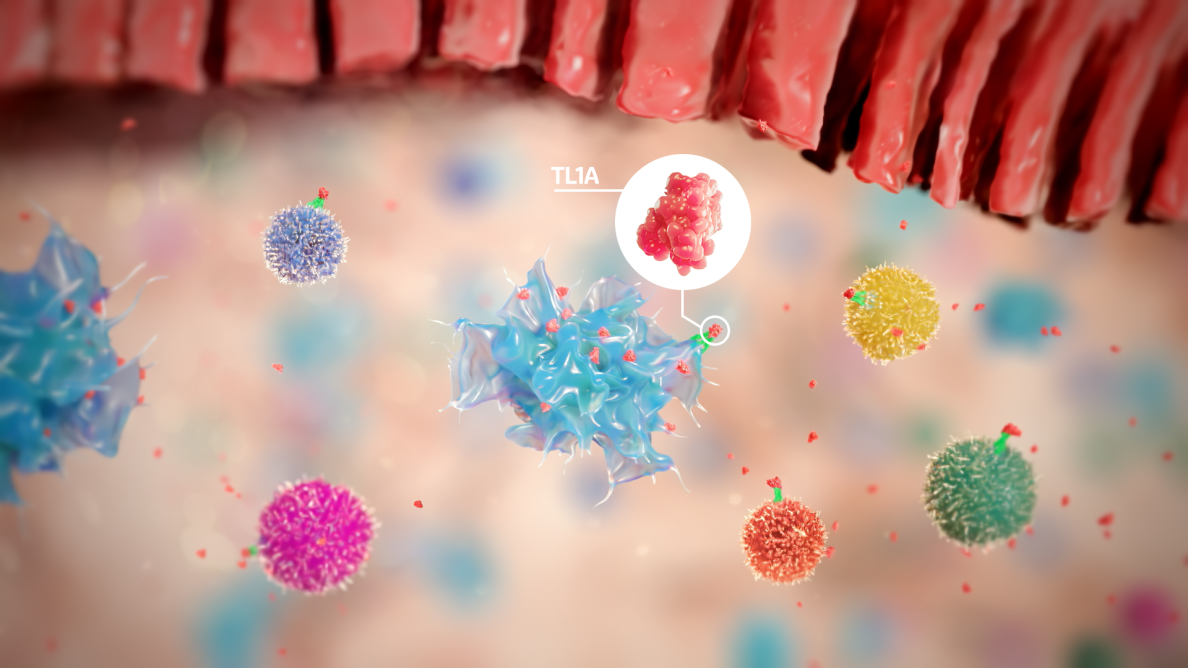
Our scientists are investigating tumor necrosis factor-like ligand 1A (TL1A), which has been shown to be increased in inflamed intestinal tissue and in the systemic circulation of patients with IBD.

TL1A is a cytokine, a protein functioning as a chemical messenger, that acts as a regulator of cellular immunity. In healthy people, levels of TL1A increase to help immune cells fight infections effectively, with levels going back down after the infection is gone. However, in IBD, TL1A levels are chronically elevated, leading to an excessive buildup of immune cells in the digestive tract, chronic inflammation, tissue damage and fibrosis.

Teams at MSD are evaluating the potential role of TL1A across immune-mediated inflammatory diseases, including Crohn’s disease, ulcerative colitis and systemic sclerosis-associated interstitial lung disease (SSc-ILD). Learn more about our research in immunology.

Health awareness

Driving prostate cancer research forward

Our scientists are dedicated to advancing research for potential treatment options for people diagnosed with prostate cancer

September 6, 2024

Share this article

Facebook icon

.st0{fill:#00857C;} X icon

Linkedin icon

Email icon

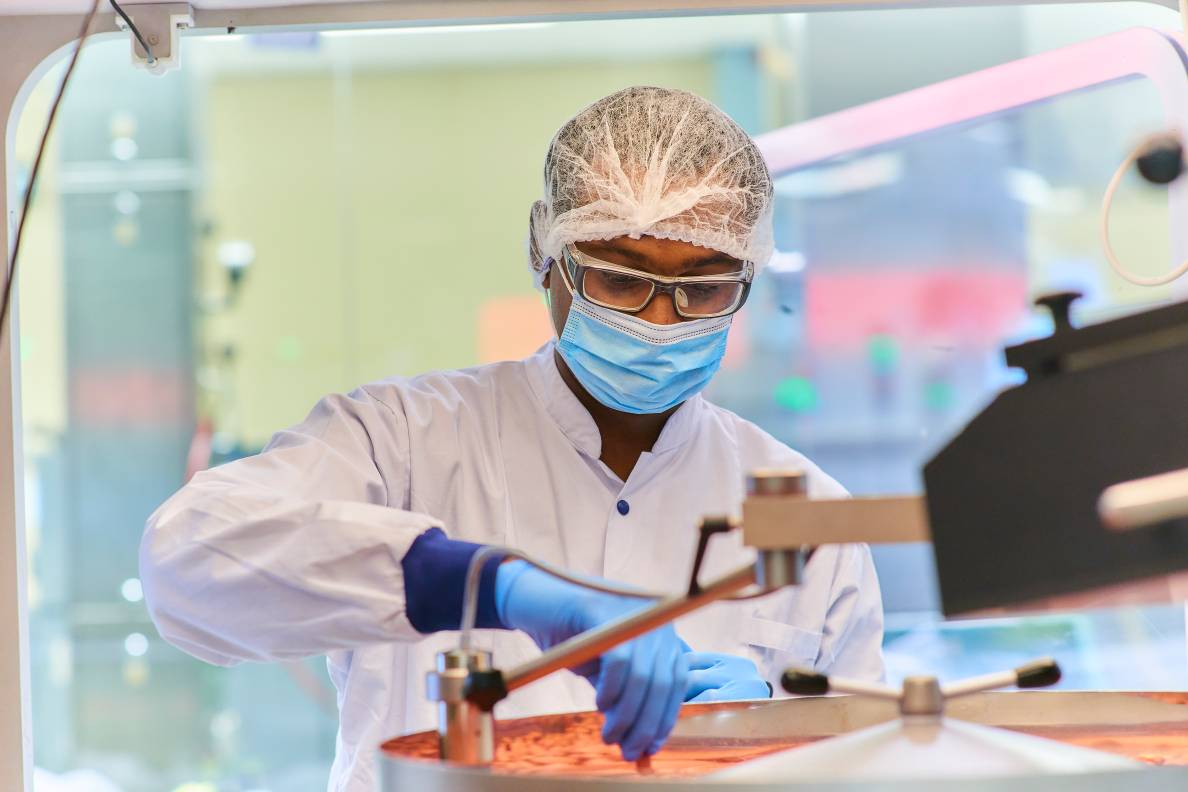
Scientist wearing full protective gear working

It’s estimated that nearly 1.5 million people assigned male at birth were diagnosed with prostate cancer in 2022 worldwide.

But these patients aren’t just a statistic or a number. They’re our partners, our parents, our children, our siblings and our friends. They’re our loved ones, fighting for better outcomes and a chance for the future. And that’s who we’re fighting for, too.

“Globally, someone is diagnosed with prostate cancer nearly every minute. That’s why we’re working with urgency to advance research and provide potential treatment options for patients living with this disease.”

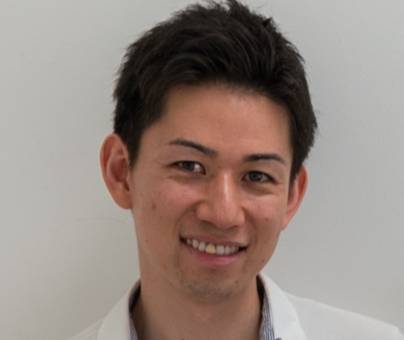
  • Dr. Kentaro Imai, distinguished scientist, oncology, prostate clinical research

The impact of prostate cancer on patients

Prostate cancer is the second most commonly diagnosed cancer and the fifth leading cause of cancer death in patients assigned male at birth worldwide. The average age at diagnosis is 66 years old. Prostate cancers is more likely to develop among those with African ancestry or a family history of the disease.

Prostate cancer can be genetic in other ways, too. Several inherited genetic mutations — such as those of the BRCA1 or BRCA2 genes — can increase prostate cancer risk. These types of genetic mutations, among others, can be identified through testing your tumor (also known as biomarker testing).

For those patients who are diagnosed with early stage prostate cancer, the prognosis is promising, with a five-year survival rate of nearly 100%. However, for patients with prostate cancer at an advanced stage, the outcomes can be dramatically different, and the five-year survival rate remains low.

“As with many cancers, patients with prostate cancer have the greatest chance of survival when their disease is detected early,” said Dr. Imai. “The prognosis for prostate cancer worsens as it spreads to other areas of the body, given that there are limited treatment options at that stage. It’s critical that we push forward to identify new options for these patients.”

Our commitment to prostate cancer research

Our science, coupled with new insights into the disease, continues to guide us as we pursue clinical advancements in prostate cancer.

Dr_KentaroImai

"Our scientists are working diligently each and every day in an effort to discover new solutions for patients with prostate cancer."

— Dr. Kentaro Imai

Distinguished scientist, oncology, prostate clinical research

Since the next breakthrough can come from anywhere or anyone, we regularly collaborate across the entire prostate cancer community, working with health care providers, other companies, academia and advocates to gain a deeper understanding and make progress for patients with prostate cancer.

“The fight against prostate cancer is constantly evolving, and therefore our approach to the disease must evolve, as well,” said Dr. Imai. “We’re committed to pushing boundaries in pursuit of breakthrough advances that have the potential to change the lives of patients living with prostate cancer.”

Health awareness

Understanding lung cancer: 5 essential things to know as a patient or caregiver

What to know about one of the most common types of cancer

August 21, 2024

Share this article

Facebook icon

.st0{fill:#00857C;} X icon

Linkedin icon

Email icon

lung and stethoscope icon

Lung cancer is one of the most commonly diagnosed cancers worldwide. In 2022, it was estimated that more than 2.4 million people globally were diagnosed with lung cancer.

Lung cancer is also the leading cause of cancer death worldwide. Nearly one-in-five (19%) cancer-related deaths were estimated to result from the disease worldwide in 2022.

Despite how common lung cancer is and its high mortality rates, there are still many misconceptions about the disease. Having accurate information is a critical step in the fight against lung cancer.

Our company is working for these patients and their families by advancing research and fostering greater awareness and understanding of the disease.

Here are five facts about lung cancer that we think patients or caregivers need to know.

01.

Every person with lung cancer deserves compassion and support.

People with lung cancer can face social stigma because they may have smoked. But the truth is, there’s no room for blame. People with lung cancer are worthy of all the compassion and support their families, health care teams and the wider cancer community can provide to help them stand against this disease.

Caregiver holding patient's hand

02.

It takes a village to navigate life with lung cancer.

When coping with a lung cancer diagnosis, it’s important to build a circle of support that includes the oncologist, health care teams, family and friends.

Connecting with others can provide a sense of support and comfort to help patients through everything that goes into managing this disease.

03.

There’s no one type of person who develops lung cancer.

Lung cancer strikes both men and women. While it is mostly diagnosed in older people, younger people can develop the disease. In fact, in 2022, more than 312,000 cases of lung cancer were estimated to be diagnosed worldwide among people 54 and younger.

Crowded street downtown

04.

There are multiple risk factors for lung cancer, including some outside our control.

Smoking is the greatest risk factor for developing lung cancer, but there are others as well, including having a family history of the disease and exposure to certain environmental substances. Worldwide, it is estimated that 10-25% of patients with lung cancer have never smoked with even higher proportions based on ethnicity and geographic region.

Environmental risks include:

  • Exposure to radon gas.
  • Exposure to occupational carcinogens, such as asbestos.
  • Exposure to outdoor air pollution, such as second-hand smoke, arsenic, chromium and nickel.

05.

Scientific advances are helping to make an impact in treating lung cancer.

Over the last 20 years, significant strides have been made to improve patient outcomes in the treatment of lung cancer. Key advancements include the development of targeted therapies, the incorporation of biomarker testing into standard practice and the progress of research that may offer promising breakthroughs for patients with difficult-to-treat tumor types.

Sustainability

MSD publishes 2023/2024 Impact Report

Letter from our chairman and chief executive officer, Rob Davis

August 16, 2024

Share this article

Facebook icon

.st0{fill:#00857C;} X icon

Linkedin icon

Email icon

Robert M. Davis, Chairman and chief executive officer, MSD

Dear Stakeholders,

For more than a century, we’ve been devoted to innovative scientific discovery, delivering medicines and vaccines to address critical health needs, optimizing the efficiency of our supply chain, increasing diversity in clinical trials, evolving our MSD Manual for medical reference and so much more. Importantly, everything we do is inspired by our purpose — to save and improve the lives of people and animals around the world. By harnessing leading-edge science, we’ve tackled some of the world’s biggest health challenges for generations, and we remain committed to expanding access to life-changing medicines, vaccines and technologies for many more decades to come. Operating our business responsibly and sustainably is at the core of our values and foundational to our ways of working and business operations.

To help propel our purpose, we continue to prioritize our ambitious sustainability goals, which span four key focus areas: 1) Access to Health; 2) Employees; 3) Environmental Sustainability and 4) Ethics & Values.

Over the last year, our concerted focus on innovation, collaboration and delivering significant and sustained stakeholder value has driven remarkable progress and impactful outcomes. To these ends, I’m proud to share the following key accomplishments:

Expanding and enabling access to health

Enabling access to health underpins every action we take and every decision we make. Across our enterprise, we collaborate with global partners and stakeholders to advance our scientific discoveries, expand and enable access to our medicines and vaccines, and implement initiatives that drive health equity. In 2023, we reached more than 550 million people with our medicines and vaccines through commercial channels, clinical trials, voluntary licensing and product donations. These critical efforts include our MECTIZAN® Donation Program, the longest-running disease-specific drug donation effort of its kind, which aims to combat river blindness and lymphatic filariasis and reached approximately 385 million people last year.

In 2023, we also expanded on our 2021 access to health ambition, and now have a new goal to enable 350 million more people to access our medicines and vaccines by 2025. In 2023 alone, our efforts enabled access for 240 million people. Our products were delivered to nearly 80% of countries globally. And through our social investments, including partnerships to advance access to health and other impact initiatives, we reached more than 54 million people in low- and middle-income countries and populations underserved by health care in high-income countries, surpassing our goal of reaching more than 50 million people by 2025.

Developing and rewarding an inclusive and healthy workforce

We believe the best path to value creation is through our talent, and the variety of backgrounds and ideas they bring are central to the success of our company. Diversity and inclusion is a business imperative. It improves our understanding of our customers, promotes inclusion in our clinical trials and inspires the innovation that drives our business. We remain committed to actively cultivating a talented and inclusive workforce that best represents—and can thus best serve—our customers, health care providers and patients.

In 2023, we defined and introduced 15 new enterprise leadership skills, designed to further advance our culture, power organizational and individual performance, and drive value for our stakeholders and communities.

Embodying and prioritizing environmental stewardship

We know the global health of people and animals is inextricably linked to the health of the planet. This is why we are committed to playing an active role in mitigating the impacts of climate change. Notably, in 2024, we committed to be net-zero across Scopes 1, 2 and 3 greenhouse gas emissions by 2045, aligned with guidance from the Science Based Targets initiative.

Our environmental sustainability strategy is designed to achieve our objectives by focusing on three critical areas: operational efficiency, designing new products to minimize environmental impact and reducing the impacts in our upstream and downstream value chain. And we have been recognized with six consecutive Green Chemistry Challenge Awards—nine overall—as a result of our ongoing efforts to minimize the footprint of our products. The awards are sponsored by the Environmental Protection Agency and the American Chemistry Society and recognize new and innovative environmentally conscious chemistry technologies.

Holding ourselves to the highest standards

We operate responsibly every day in every way, and we hold ourselves accountable to the highest standards of ethics and values. Our code of conduct is our compass, ensuring we maintain our reputation as a trusted, credible and responsible company. It also encourages employees to speak up and report potential concerns to ensure our ethics and values are reflected in our business operations. We maintain full compliance with all privacy and data regulatory requirements related to active incident monitoring, risk/harm analysis and on-time notification of data breaches.

We are also a signatory to the United Nations Global Compact (UNGC), and we align our operations with the Ten Principles of the UNGC to improve communities around the globe.

Additionally, we increased our spend with small and diverse Tier 1 and 2 suppliers from $3.2 billion in 2022 to $3.6 billion in 2023, fostering a healthy, equitable and diverse supply chain.

In 2023, we also added sustainability metrics to our Company Scorecard, which directly correlates to our annual incentive plan. The metrics link the compensation for most employees, including executives, to our performance in driving greater access to health care and employee engagement and inclusion. And I’m pleased to report that, in our inaugural year, we achieved all of our goals for these new sustainability metrics on our Company Scorecard.

Sustaining our momentum

I am very proud of our collective progress and the positive impact we’ve made on the lives of people, animals and communities around the world. In 2023, MSD was named one of the Top 100 Most Sustainable U.S. Companies by Barron’s and one of America’s Most JUST Companies by JUST Capital and CNBC. And notably, we ranked No. 1 in the health sector for both recognitions. This year, we were also recognized on TIME’s inaugural list of the World’s Most Sustainable Companies, ranking No. 28 out of 500 companies. These honors are a testament to our unwavering passion and commitment to saving and improving lives globally.

I remain confident that we can do even more to further advance global health and access, drive diversity and inclusivity, protect the environment and operate responsibly. I’m excited and energized by the possibilities of our science-led strategy, the promise that our short- and long-term efforts present, and the positive, sustainable impacts that we can make today and well into the future.

My sincerest thanks for your continued support as we pursue a healthier and brighter future for all.

Very best regards,

Rob Davis

Chairman & Chief Executive Officer

Health awareness

HPV and related cancers: What you need to know

Human papillomavirus (HPV) is a leading cause of certain types of cervical cancer and other cancers in men and women

August 15, 2024

Share this article

Facebook icon

.st0{fill:#00857C;} X icon

Linkedin icon

Email icon

young adults hanging out

What is human papillomavirus (HPV)?

Human papillomavirus (HPV) is the most common sexually transmitted infection (STI).

For most people, HPV clears on its own. But for the very few who do not clear the virus, it can cause certain cancers and other diseases in both men and women. Unfortunately, there’s no way to know who will or will not clear the virus.

What cancers and diseases can be caused by HPV?

people icon

HPV can cause certain types of:

  • cervical cancers
  • anal cancers
  • vulvar cancers
  • vaginal cancers
  • head and neck cancers
  • genital warts

The impact of HPV-related cancers

man and woman icon

~666,000 men and women were diagnosed with certain HPV-related cancers in 2018 worldwide

woman icon

As of 2022, cervical cancer was the 4th most common cancer in women worldwide

“There are steps people can take to be proactive about their health. Men and women should speak with their health care providers to learn more about the link between HPV and certain cancers and diseases.”

— Mel Kohn, M.D., M.P.H., executive director of medical affairs, MSD

The World Health Organization’s (WHO) movement towards cervical cancer elimination

Important steps have been taken to achieve a world where fewer women are affected by cervical cancer, but more needs to be done.

In 2020, the World Health Assembly adopted the global strategy to accelerate the elimination of cervical cancer as a public health problem.

To help achieve this goal, the WHO provides guidance and tools to support countries in implementing strategies and addressing challenges associated with cervical cancer prevention.

Innovation

Our Q2 2024 sales and earnings report

July 30, 2024

Share this article

Facebook icon

.st0{fill:#00857C;} X icon

Linkedin icon

Email icon

Illustration of two scientists

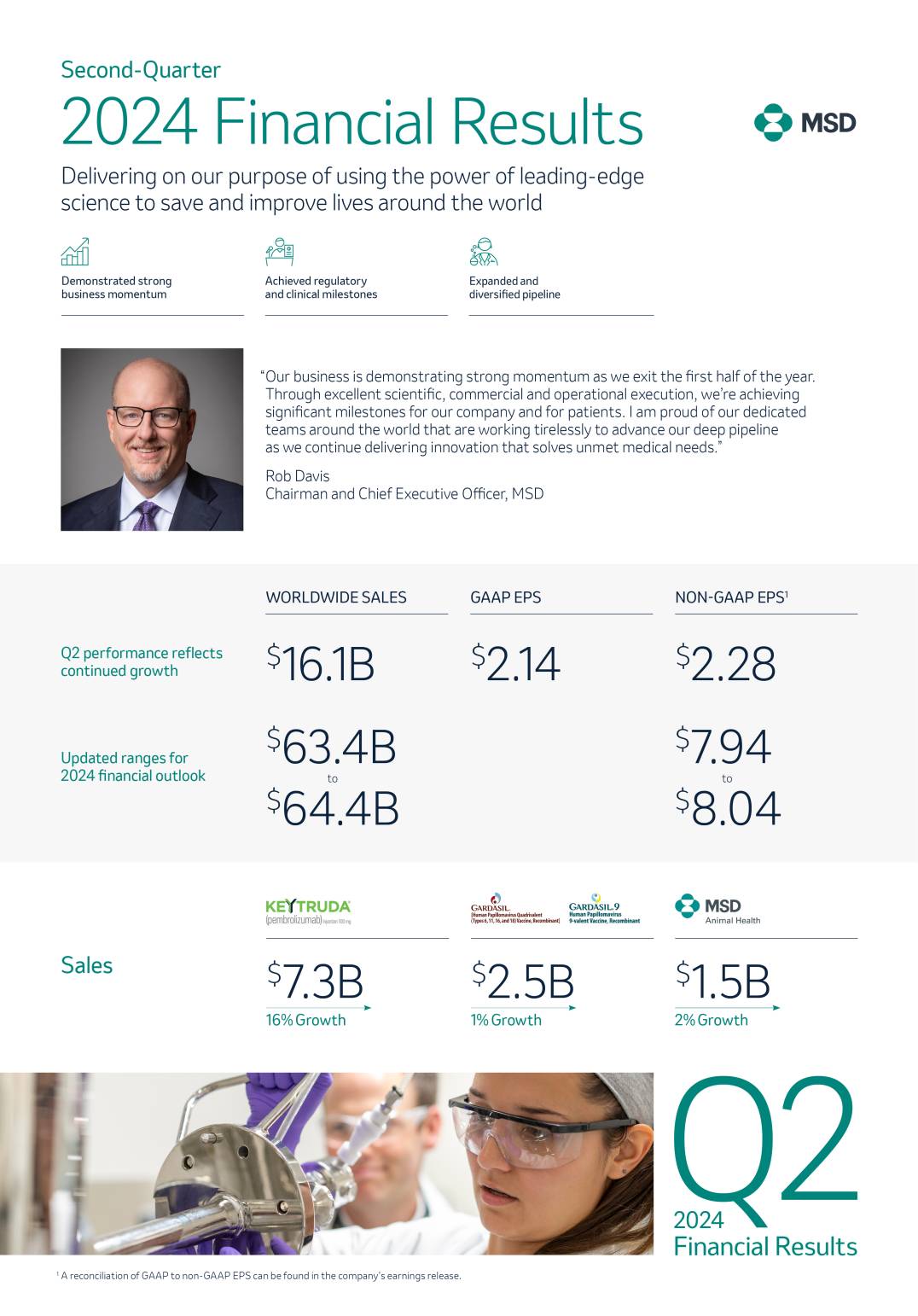
MSD’s Q2 2024 results demonstrate strong business momentum and further progress in our diverse pipeline. Our company announced worldwide sales of $16.1 billion, an increase of 7% from Q2 2023.

“Our business is demonstrating strong momentum as we exit the first half of the year,” said Rob Davis, chairman and chief executive officer. “Through excellent scientific, commercial and operational execution, we’re achieving significant milestones for our company and for patients. I am proud of our dedicated teams around the world that are working tirelessly to advance our deep pipeline as we continue delivering innovation that solves unmet medical needs.”​

MSD anticipates full-year 2024 worldwide sales to be between $63.4 billion and $64.4 billion. ​

Find more details on Q2 2024 results below. 

Download infographic

Q2 2024 Sales And Earnings Infographic
Our People

Here for Good: A steadfast commitment to global health

How one colleague’s upbringing and career journey have motivated her to enable health access around the world

June 10, 2024

Share this article

Facebook icon

.st0{fill:#00857C;} X icon

Linkedin icon

Email icon

For Priya Agrawal, access to health has been a lifelong concern and a guiding principle in the work she’s done across industries.

As a young girl growing up in central London, Agrawal saw firsthand how inequities even within her own extended family could drastically impact health outcomes.

“I watched my father’s side of the family — who lived in London — live with diabetes, but I watched my mother’s side of the family — who lived in North India — die of diabetes,” Agrawal said. “It took me a while to figure out that it was my father’s family’s access to the National Health Service that made the difference.”

That early insight propelled Agrawal into a career as an obstetrician and gynecologist before moving into public health. Now vice president in charge of international health equity and partnerships, Agrawal first joined our company to help launch MSD for Mothers, a global initiative to help create a world where no woman has to die while giving life. From there, she went on to a variety of roles — from lead of our vaccines and contraceptives business in the U.K. to managing director of South Africa and sub-Saharan Africa cluster to global head of HPV vaccines.

Agrawal’s work — and the passion that fuels it — continues, and she has no plans to stop.

“My purpose in life is to advance health equity. I want to be able to say that I did all I could to ensure more people could both survive and thrive because they had easier access to health.”

Innovation

Vaccine inventors, creators and innovators

Dr. Maurice Hilleman was among pioneering scientists who made strides in vaccine history and the fight against infectious disease

May 8, 2024

Share this article

Facebook icon

.st0{fill:#00857C;} X icon

Linkedin icon

Email icon

Maurice Hilleman looking into a microscope

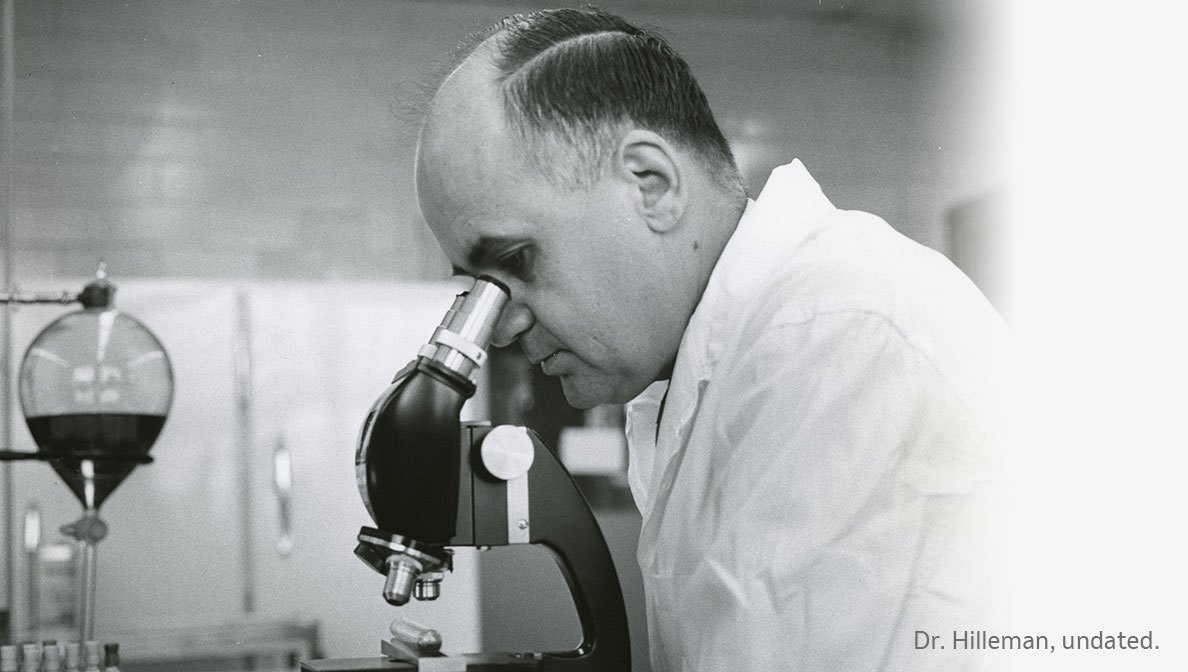
Dr. Maurice Hilleman, who led our department of virus and cell biology from 1957 to 1984.

When were vaccines invented?

The story of modern day vaccines began in 1796 when Dr. Edward Jenner inoculated 9-year-old James Phipps with cowpox as a way to protect him from smallpox. The term ‘vaccine’ is later coined, taken from the Latin word for cow, vacca. Smallpox was the first disease people tried to prevent by intentionally inoculating themselves with infected matter.

Dr. Edward Jenner inoculating 8-year-old James Phipps with cowpox

Dr. Edward Jenner inoculating 9-year-old James Phipps with cowpox.

Eight decades after Jenner published his findings, Louis Pasteur developed the first live attenuated rabies vaccine. Attenuation is a process that weakens the bacteria or virus in a vaccine so it’s less likely to cause disease, while still triggering an immune response similar to the natural infection. During the mid- to late-20th century, advances in basic and clinical research made it possible for scientists to develop vaccines to help protect against both bacterial and viral diseases.

Dr. Maurice Hilleman’s contribution to vaccine development

The names Jonas Salk and Albert Sabin have become synonymous with their inventions and developments around the polio vaccine, and the giant strides they made in the fight against viral diseases. Although these are some of the most famous names in vaccine research, MSD has a legacy of vaccine pioneers, too. Dr. Maurice Hilleman, who led MSD’s department of virus and cell biology from 1957 to 1984, also belonged to that distinguished group. Credited with helping to develop more than 40 experimental and licensed human and animal vaccines, Hilleman’s passionate commitment continues to inspire scientists in medical research laboratories to this day.

Hilleman was born and raised on a farm in Montana. It was a hard life, but a farm background was a great foundation for his later work.

“When you’re brought up on a farm, you have a lot of general knowledge,” he said. After graduating from the University of Chicago with a doctorate in microbiology and chemistry, Hilleman chose to work at a pharmaceutical company instead of academia.

Despite his many accomplishments, including helping to develop more than 40 human and animal vaccines, Hilleman’s name is virtually unknown by the general public and press. Yet his impact on public health is undeniable.

“His commitment was to make something useful and convert it to clinical use. Maurice’s genius was in developing vaccines, reliably reproducing them, and he was in charge of all pharmaceutical facets from research to the marketplace.”

  • Dr. Paul Offit
    Director of the Vaccine Education Center, professor of pediatrics in the Division of Infectious Diseases at Children’s Hospital of Philadelphia, and Hilleman’s biographer

In 1988, President Ronald Reagan awarded Hilleman the National Medal of Science, and in 1997, he was honored with the Albert B. Sabin Gold Medal Award. Dr. Anthony Fauci, former director of the National Institute of Allergy and Infectious Diseases at the National Institutes of Health, called Hilleman “one of the true giants of science, medicine and public health in the 20th century.”

Innovation

Vaccines: Our history, our legacy

MSD and its legacy companies have been working to discover and develop vaccines for more than a century

May 8, 2024

Share this article

Facebook icon

.st0{fill:#00857C;} X icon

Linkedin icon

Email icon

bandaid being applied to arm

“An epidemic of diphtheria is almost inevitable here. Stop. I am in urgent need of one million units of diphtheria antitoxin. Stop. Mail is only form of transportation. Stop.”

  • Dr. Curtis Welch

This was the desperate radio telegram in January 1925 from Dr. Curtis Welch in Nome, Alaska, to all the major Alaska towns, to territorial governor Scott Bone in Juneau, and to the U.S. Public Health Service in Washington, D.C. Diphtheria was spreading through the icebound community. Children had already died, and the local supply of diphtheria antitoxin had expired the previous summer.

Known as the “Great Race of Mercy,” it’s an iconic story of human compassion.

dog sled background image

Weather prevented delivery by air, so relay teams of sled dogs and their mushers raced against the clock to deliver 300,000 units of antitoxin, which was produced by MSD legacy company H.K. Mulford. They completed the 674-mile journey over what later became known as the Iditarod Trail in a record-breaking five days and seven hours despite whiteout conditions and temperatures of 50 degrees below zero.

dog sled alaska
icon
674 miles
icon
5 days
icon
300,000 units
Vaccines

Over 130 years of vaccine leadership

In 1895, the H.K. Mulford Company began marketing the first commercially available diphtheria antitoxin in the U.S., the very medication that helped avert the diphtheria epidemic in Nome. Today, we have a significant presence in vaccine discovery, development and distribution in both human and animal health.

Dr. Maurice Hilleman

The vaccine pioneers

MSD’s Dr. Maurice Hilleman belongs to a distinguished group of vaccine pioneers — including Edward Jenner, Louis Pasteur, Jonas Salk and Albert Sabin. Hilleman is credited with helping to develop more than 40 vaccines and his impact on public health is undeniable.