Sustainability

Inspiring innovation through diversity and inclusion

We recognize the importance of embedding a culture of inclusion and belonging at every level of our company

February 1, 2024

Share this article

Facebook icon

.st0{fill:#00857C;} X icon

Linkedin icon

Email icon

Inspiring diverse colleagues collaborate over innovative strategy through diversity and inclusion

An inclusive workplace inspires innovation and is fundamental to our company’s success. Having an environment composed of people with different backgrounds, perspectives and experiences also helps us better understand the unique needs of the customers, health care providers and patients we serve.

“With inclusion as a foundation, we’re able to ignite the spark of creativity that leads to innovation and extraordinary outcomes.”

  • Nicole Stovall
    Vice president, Global Diversity and Inclusion Center of Excellence

Below are some of the ways we celebrate our culture of empowerment, engagement and belonging:

01.

Supporting a disability-inclusive workforce

At our company, everyone should feel empowered to help deliver on our purpose of using the power of leading-edge science to save and improve lives around the world. This includes our colleagues who live with disabilities.

Our Global Disability Inclusion Strategy Council recognizes and values the importance of a disability-inclusive workforce and offers resources to ensure people with disabilities — including physical, neurological, mental, rare or any other forms of disabilities — are included and prepared to succeed in all areas of our business.

Key programs and partnerships include:

  • capAbility in Action, a joint program launched with Accenture and run in partnership with workforce solutions company Rangam to attract, recruit and retain neurodivergent talent.
  • Valuable 500, a global partnership of 500 companies committed to accelerating disability inclusion through best practices such as digitally accessible technology, mental health awareness and more.

02.

Economic inclusion and small business development

Economic inclusion creates a competitive advantage for our company and positively impacts the global community.

We create economic opportunities by procuring products and services from an array of small businesses ranging in locations, ownership and specialties.

03.

Celebrating global diversity and inclusion

Since 2015, we’ve celebrated Global Diversity & Inclusion Experience Month in September to foster meaningful discussions and learning around diversity and inclusion, while highlighting our inclusive culture.

This monthlong celebration builds capabilities among our workforce and creates a platform for employees to speak up about their experiences.

04.

Employee business resource groups (EBRGs)

With more than 25,000 members across 10 groups, our EBRGs play a critical role in driving an inclusive culture and supporting employee career growth. Each EBRG is open to all employees and they reflect the communities in which we live and serve.


Health awareness

Update to supply issue regarding OncoTICE

We know how important it is to get medicines to the people who need them and providing those medicines is at the center of what we do

January 24, 2024

Share this article

Facebook icon

.st0{fill:#00857C;} X icon

Linkedin icon

Email icon

Drone aerial picture of site

In 2012, MSD unexpectedly became the sole manufacturer of OncoTICE® in many countries around the world. Increasing global demand has outpaced our current maximum manufacturing capabilities. In recognition of the medical need for this product, MSD continues to operate at maximum production capacity. Due to the increasing global demand, MSD has been experiencing a supply shortage for OncoTICE. 

In October 2020, we announced our plans to construct a new manufacturing facility in Durham, North Carolina, U.S., to significantly expand our production capacity for OncoTICE. This investment reaffirms our longstanding commitment to producing this medicine, and all our medicines, for patients who need them.

If patients have questions regarding OncoTICE, they should speak with their physicians. Additional information related to the shortage, current allocation practices, and our efforts to increase supply, including construction of a new manufacturing site, is below.

FAQs: supply & availability of OncoTICE

What is the cause of the shortages and backorders for OncoTICE?

Since 2012, when MSD unexpectedly became the sole manufacturer of OncoTICE in many countries around the world, increasing global demand has outpaced our current maximum manufacturing capabilities. While the company has many years of experience producing OncoTICE, this medicine has a lengthy and inherently complex manufacturing process.

Prior to 2012, additional manufacturers supplied the U.S. market with OncoTICE, with MSD providing 30-40% of overall U.S. supply. As other manufacturers exited the U.S. market in 2012, MSD became the sole supplier to the U.S. and increased production of OncoTICE to the full extent of MSD’s current manufacturing capacity. These efforts enabled MSD to double supply of OncoTICE to the U.S. market despite being the only manufacturer, in recognition of the medical need for this product.


Can you provide an update on the new facility?

MSD is working to complete this project and meet patient needs in as timely a manner as possible. While this commitment is an important step in making sure that adequate supply of OncoTICE is available, completing construction, inspection, and regulatory approvals of a manufacturing facility may take approximately five to six years in total.

Construction is well underway, barring any unforeseen circumstances, the new facility is on track to the previously announced timeline and will be completed by late 2025 to late 2026. Supply will gradually increase over time following local market review and approvals.

Once this new facility is fully operational, we expect to triple our current manufacturing capacity of OncoTICE. We anticipate that this will meet the needs of physicians and their patients for the foreseeable future. The investment in this new manufacturing facility reaffirms MSD’s longstanding commitment to producing this medicine for patients.


Can you please describe how the allocation process works outside the U.S.?

MSD allocates available supply among markets based on historical demand patterns. This process is designed to proportionally allocate OncoTICE to minimize disruption to patient care as much as possible.


Where can I find more information about the availability of OncoTICE??

Patients:
Patients should reach out to their physician, as they are in the best position to answer questions about the availability of the medicine in their practice, and can inquire about the quantity and timing of product availability with their supplier.

Health care professionals:
Health care professionals with questions regarding allocation should contact their wholesaler or distributor.


Health awareness

Empowering others to speak up about HPV-related cancers

The impact of Gina’s diagnosis inspired her to help others prioritize their health

January 9, 2024

Share this article

Facebook icon

.st0{fill:#00857C;} X icon

Linkedin icon

Email icon

After 20 years of normal cervical screenings,* Gina Esposito was confident her next routine screening wouldn’t be any different. So, when she was diagnosed with human papillomavirus (HPV)-related cervical precancer at 47 years old, she was surprised.

“The sinking feeling I had when I received my diagnosis was intense because I wasn’t expecting it,” she said.

*A cervical screening, often referred to as a pap test or pap smear, looks for precancers or cell changes that might become cervical cancer if not treated appropriately.

The impact of HPV-related cancers and diseases

More than 80% of cervical cancers are associated with HPV. For most people, HPV clears on its own. But for those who don’t clear the virus, it could cause certain cancers and diseases.

After her diagnosis, Esposito underwent a procedure to remove the abnormal cells from her cervix. When a follow-up test showed that there were still some abnormal cells present, she consulted with a doctor and decided to get a hysterectomy.

At first, she felt embarrassed by her diagnosis. As she started to share her story, she noticed that others felt ashamed to speak about HPV-related cancers and diseases. She knew something had to change.

“I have a newfound responsibility to take the stigma away, to say ‘the shame has to go away,’ whether you’re a woman or a man,” Esposito said.

Throughout her experience, she says her daughter has been a source of strength.

“You don’t want your child to be without you or to experience the loss of a parent. You want to be around for all of their milestones and they want you around,” Esposito said. “So, she keeps me motivated because there’s an expectation that mom’s going to be around.”

Photo of man and woman

“I try to be a positive disruptor in this space and normalize it so that people go for early screenings and routine screenings and that they get treatment if they need it.”

— Gina Esposito

The importance of routine care

In some ways, Esposito considers herself lucky. Her commitment to prioritizing routine care helped her catch her disease early.

“I’m so glad I took the time to go to my screening – it helped catch my disease early,” she said.

Esposito is working to ensure her daughter also prioritizes getting routine care and understands the value of prioritizing her health, especially as she approaches adulthood.

“She knows you need to own your own health because no one else is going to do it for you,” she said. Esposito encourages colleagues across our company to prioritize their health, too.

Esposito plans to continue helping men and women feel comfortable discussing HPV-related disease and get the preventative care they need.

“When I talk with others, I focus on what happened to me so they can use it as an example,” Esposito said. “I get people emailing me, texting me, going, ‘I’m going to make my appointment today.’ And if we can have one person that we get early, then my job is done.”

Health awareness

Biomarker testing may help inform treatment decisions in certain cancers

An oncologist explains why cancer biomarkers may provide more precise information about a person's cancer

January 4, 2024

Share this article

Facebook icon

.st0{fill:#00857C;} X icon

Linkedin icon

Email icon

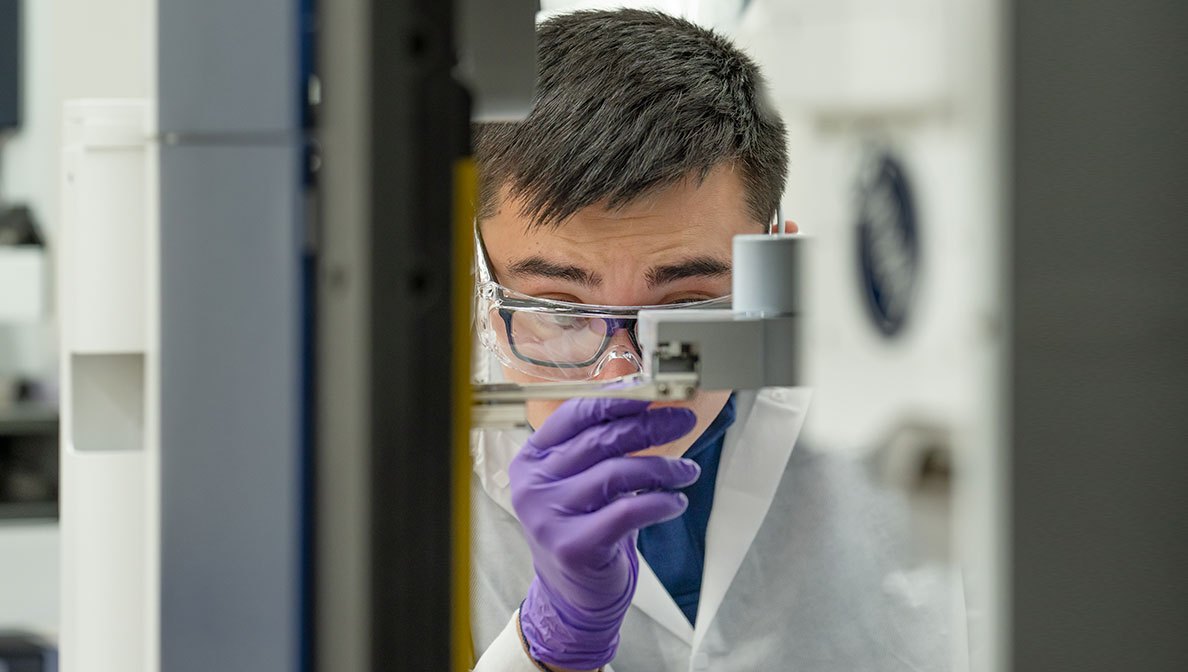
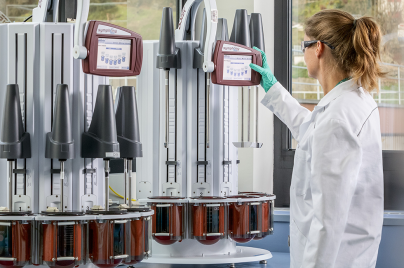
MSD scientist working in the lab

Over the past 20+ years, there’s been an evolution in how we think about cancer. Cancer biomarkers — substances produced by tumor cells that reflect unique features of a tumor — can change the approach to certain cancers.

Advances in biomarker testing may help inform treatment decisions

It wasn’t long ago when conversations were about simply “breast cancer” or “lung cancer.” Now, physicians can get a lot more precise.

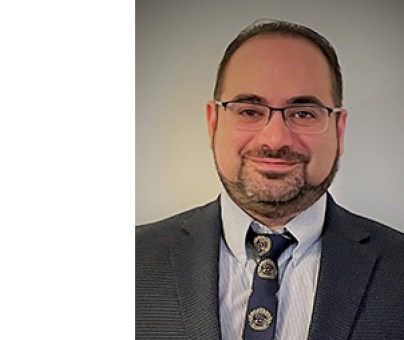
Dr. Scott Pruitt

“We’ve come to understand that two people with the same type of cancer may have differences in the specific changes in the genes, proteins and other substances that may allow cancer cells to grow and spread.”

  • Dr. Scott Pruitt
    Associate vice president, early-stage development, clinical oncology, MSD Research Laboratories

“The field of breast cancer research was arguably the first to realize that there are multiple cancer subtypes and that biomarker testing could help inform therapy,” said Pruitt.

In the treatment of breast cancer, understanding various tumor biomarkers and pairing that understanding to help guide selection of relevant medicines has helped physicians evaluate potential treatment approaches. And the same is true in lung cancer where understanding tumor biomarkers has been used to help guide therapy aimed at targeting certain genetic mutations.

Biomarkers may help us understand a cancer better and how to approach it. That’s why biomarker testing may be an important next step after a cancer diagnosis.

Key terms to know:

  • Biomarker: a measurable indicator of a biological state or condition found in blood or tissues.
  • Biomarker testing: medical tests to look for measurable indicators (genes, proteins and other substances) that may provide information about a biological state or condition.
  • Biopsy: the removal of cells or tissue for examination.
  • Genetic testing: medical tests to look for certain mutations in a person’s genes that may be a sign of a disease or condition.

Biomarker testing after a cancer diagnosis

blood test vial

Blood test

microscope

Biopsy of the tumor

Testing for proteins and/or genes to look for known biomarkers icon

Testing for proteins and/or genes to look for known biomarkers

Biomarker testing and genetic testing may enable detailed characterization of some cancers

Some biomarker tests can find inherited genetic changes that you may have been born with that may increase your risk of cancer or other diseases. Genetic testing might help determine if you have certain mutations (for example, the BRCA gene) which could help inform treatment options.

MSD has been at the forefront of research to advance the understanding of biomarkers for certain cancers.

"We're fully invested in leveraging biomarker data to help inform cancer care."

— Dr. Scott Pruitt

“Across our oncology studies in every phase of development, we continue to incorporate multiple biomarker approaches to more fully understand biology as well as identify new targets of interest,” Pruitt said.

Discussing biomarker testing with a health care provider

If you’ve been diagnosed with cancer, it’s important to ask your doctor about biomarker testing. Start with these questions which may help you prepare for conversations with your doctor:

  • Is biomarker testing appropriate for the type of cancer that I have?
  • If there’s a chance my cancer was caused by an inherited risk factor, should I undergo further testing?
Innovation

Harnessing innovative technology in drug discovery

MSD scientists explain how new technologies can accelerate the drug discovery process as we use the power of leading edge science to save and improve lives

November 16, 2023

Share this article

Facebook icon

.st0{fill:#00857C;} X icon

Linkedin icon

Email icon

Our scientists are leveraging state-of-the-art capabilities to discover novel molecules that may lead to the medicines of tomorrow. 

MSD Research Laboratories (MRL) scientists evaluate hundreds to thousands to up to billions of compounds to find a starting point for a new drug candidate. It all starts with identifying a target — usually a protein — that’s intrinsically associated with a particular disease and can be pharmacologically modulated. That’s where innovative tools like structure-based design, high-throughput screening and high-throughput experimentation, coupled with robotics, artificial intelligence and machine learning can make a huge difference in progressing the work. And once a lead molecule is identified, cryogenic electron microscopy (cryo-EM) as an emerging structural method can be used to understand and improve how a molecule interacts with the protein target.

Utilizing the latest technologies and diligent work by teams of highly skilled and experienced scientists can potentially accelerate the discovery of new medicines for patients in need.

“We have an incredibly creative, smart and hardworking workforce. It’s an absolute pleasure to be part of that and to have access to the resources necessary for making scientific breakthroughs.”

— Adam Weinglass

Executive director in quantitative biosciences
Health awareness

Staying positive with pulmonary arterial hypertension

From struggling to breathe to advocating for others, one woman with PAH shares her story

October 24, 2023

Share this article

Facebook icon

.st0{fill:#00857C;} X icon

Linkedin icon

Email icon

A decade ago, Nola Martin was having trouble breathing, and she was gaining weight. She assumed it was simple: She started to focus on improving her diet and getting more exercise, but she wasn’t seeing results.

“Little did I know the situation was a lot more serious than that,” she said.

Martin was diagnosed with pulmonary arterial hypertension (PAH) and scleroderma. PAH is a disease of high blood pressure in the lungs. Her PAH was associated with scleroderma, a connective tissue disease that can affect the skin, blood vessels and organs and can cause PAH.

“I had two illnesses, and I had no idea what they were from. How did I get them? I was hearing all these terms I’d never heard of before.”

  • Nola Martin

Finding the right care

Martin said that the confusion and complexity of having two chronic diseases made the beginning of her journey the most challenging. Through her experience with PAH, she said she learned that “you must find a facility that is familiar with your disease.” She recommends the Pulmonary Hypertension Association as a great place to start learning about PAH.

While she knows her PAH is progressive, she chooses to stay positive.

“What I learned about advocating for myself with PAH is that no one is going to fight as hard for me as I will,” said Martin. “I know my body. I know when something is different, but I also know that my doctors are not mind readers. If I don’t share with them what is going on, including the smallest details, they can’t give me the proper treatment I need.”

Nola Martin headshot

Staying hopeful through connection

It’s important to Martin to connect with other PAH patients and educate people about the disease.

Since her diagnosis, she’s educated numerous people about PAH and scleroderma. She believes in the importance of raising awareness and telling her story. It’s sometimes hard for her to explain to people that even if she doesn’t appear sick, she may still be dealing with difficult symptoms.

“PAH has affected so much of my daily life — simple things like vacuuming, doing the laundry, taking a shower and going to the grocery store,” Martin said. “I encourage others to be understanding and avoid making assumptions about a person with PAH based on their outward appearance.”

She urges people to be supportive and listen when someone shares their story.

Innovation

MSD’s legacy of antimicrobial innovation and action

Delivering on our commitment to fight infectious diseases for more than a century

October 12, 2023

Share this article

Facebook icon

.st0{fill:#00857C;} X icon

Linkedin icon

Email icon

Scientist working in lab site

For more than 100 years, MSD has contributed to the discovery and development of novel medicines and vaccines to fight infectious diseases. With the growing burden of antimicrobial resistance (AMR), we’ve focused on stopping the increasing threat of AMR

The Clinical Use of Sulphapyridine in Pneumococci Pneumonia

1930s

MSD Research Laboratories played a central role in the development of sulfas, the first synthetic antimicrobial.

Penicillin vials on a manufacturing line

1940s

In collaboration with Rutgers University, we developed streptomycin, the first antibiotic effective against tuberculosis. We also helped to develop one of the first methods for mass production of penicillin.

Scientist working in lab site

1950s & 1960s

We developed multiple novel methods to prevent infectious diseases, including pediatric vaccines.

Scientist working in lab site

1970s & 1980s

We received U.S. Food and Drug Administration (FDA) approval for two vaccines, as well as three antibiotics that treat a variety of bacterial infections.

Doctor giving vaccine to child

1990s & 2000s

MSD received U.S. FDA approval for two antifungals, as well as licenses for two vaccines.​

Scientist holding petri dish

2002

With resistance to antibiotics developing faster through people, animals and the environment, we launched one of the world’s largest and longest-running antimicrobial resistance surveillance studies. Called the Study for Monitoring Antimicrobial Resistance Trends (SMART), the program enables researchers to monitor and identify trends in the development of AMR.

Scientist looks into microscope

2010s

We launched an Antimicrobial Stewardship (AMS) Investigator Initiated Studies program, supporting investigator-based, peer-reviewed research supporting the implementation of AMS principles across the globe, with over 20% of studies occurring in low-and middle-income countries.

Building photo

2016

We created the MSD Exploratory Science Center in Cambridge, Massachusetts, focusing on the earliest stages of research into the underlying biology of human disease.

Country flags on site

2016-2017

We supported the first United Nations high-level meeting on AMR and subsequent political declaration in 2016, which set policy action on AMR in motion.

As a next step, we joined the newly founded AMR Industry Alliance – a network of over 100 pharmaceutical industry partners working to provide sustainable solutions to help curb antimicrobial resistance.

AMR Action Fund logo

2020

MSD, along with a group of more than 20 leading biopharmaceutical companies, launched the AMR Action Fund to bring 2-4 new antibiotics to patients by the end of the decade.

Institut Pasteur building with Louis Pasteur statue in front

2020s

Our staff have championed government actions to create supportive markets for antimicrobial innovation, including the PASTEUR Act in the U.S., inclusion of transferable exclusivity extensions in the EU pharmaceutical strategy, and other incentives around the world.

By collaborating with policymakers, MSD aims to improve appropriate antibiotic use globally.

Cow drinks milk from bottle

Going forward

In recognition of our leadership in both human and animal health, MSD represents industry in the One Health Global Leaders Group on Antimicrobial Resistance, which advocates for a One Health approach to help ensure antibiotics remain an important tool in improving and maintaining human and animal health.

Innovation

Podcast: Why neuroscience is the ‘final frontier’

Listen as specialists from MSD discuss what they’re most excited about in researching potential treatments for neurologic disorders

July 13, 2023

Share this article

Facebook icon

.st0{fill:#00857C;} X icon

Linkedin icon

Email icon

Members of MSD business development and licensing team

Our scientists are revolutionizing how we discover and develop treatments to address unmet medical needs in a number of areas, including neuroscience.

“It’s sort of like the final frontier,” said Joe Herring, scientific AVP, clinical research, in our new podcast. “You’re going off into space to try to figure out how to do very difficult things.”

For more, listen in as Herring sits down with MSD clinical research team senior principal scientists Yuki Mukai and Ari Merola as well as business development director Paige Lacatena to explore today’s breakthroughs and challenges in the field of neuroscience.

Listen to the podcast

Read the full transcript

Explore careers in R&D at MSD

man and woman MSD scientists

Careers

Are you interested in a career in R&D?

Our People

Podcast: Meet the dealmakers 

MSD’s business development and licensing team explain how they identify new opportunities to strengthen our robust R&D pipeline  

June 5, 2023

Share this article

Facebook icon

.st0{fill:#00857C;} X icon

Linkedin icon

Email icon

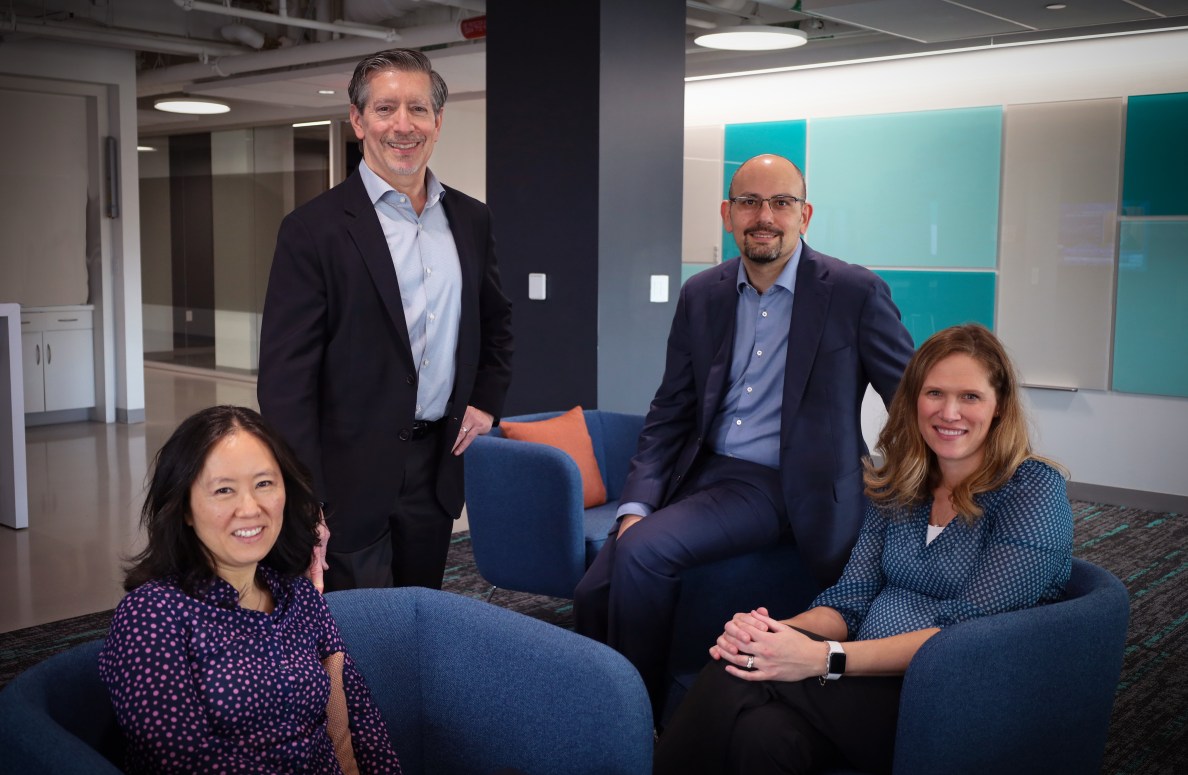
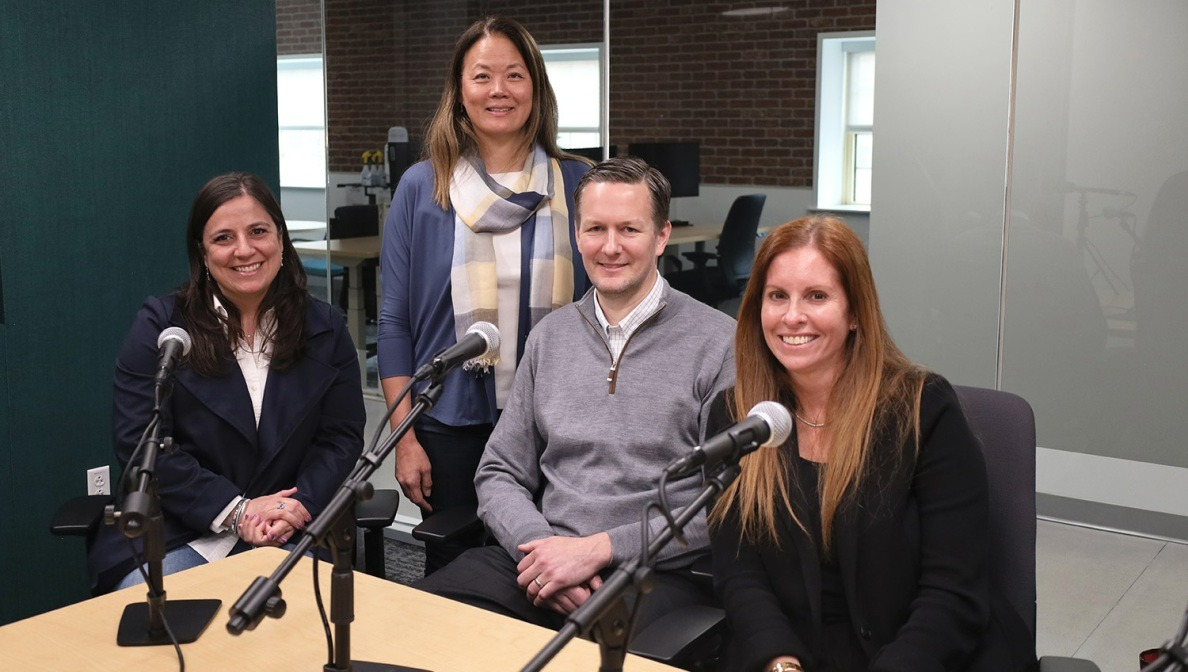
Podcast Team

It takes a special kind of talent to find and secure the right deals to keep us at the forefront of innovation. Leaders from our business development and licensing team sat down to discuss how their work is a key component to building and maintaining a strong pipeline.  

Here’s what you need to know:  

01.

Harnessing our legacy

Our reputation for using leading-edge science can make business development connections easier, explains Lizabeth Leveille, vice president, business development.


02.

The speed and determination to get it done

Elizabeth Naldi-Jacob, vice president, business development, knows that having a direct line of reporting to the top is what sets MSD apart as a potential partner. 


03.

Balancing the internal and the external  

We have a one pipeline mindset, and each asset receives the same focus and rigor whether it comes from inside our company or out, says Christopher Mortko, vice president, business development. 


04.

Working hand-in-hand with our scientists  

Grace Han McMahon, associate vice president, business development, explains why engaging our internal science leaders is crucial to making the right deals. 


05.

What we’re interested in (and why it’s everything) 

Our panelists discuss why we focus on five key areas — and when we’re willing to look beyond them.


Great partnerships begin with great conversation. Learn more about how discovery & development and licensing shape the future of MSD.  

For more, check out the full podcast: 

MSD BD&L

Read the transcript

Our People

Here for Good: Bridging the gap between bedside and bench

Members of MSD’s lung cancer clinical development team say working in the hospital inspired their drive to innovate for patients

May 19, 2023

Share this article

Facebook icon

.st0{fill:#00857C;} X icon

Linkedin icon

Email icon

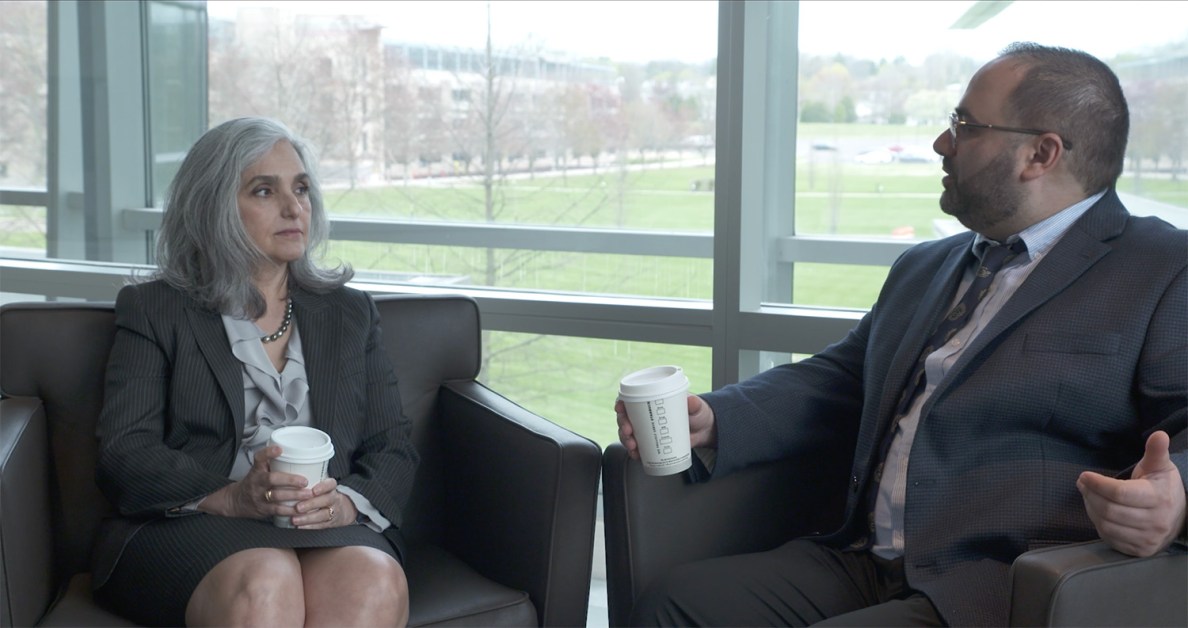
Two colleagues sit and talk

Dr. Ayman Samkari remembers how treating patients during his medical school rotations brought him face to face with the unmet needs of people with cancer. He learned to listen to what matters for patients beyond their diagnoses, and he sought new ways to make a greater impact as an oncologist.

Watch Samkari and Dr. Nazly Shariati discuss their passion for their work:

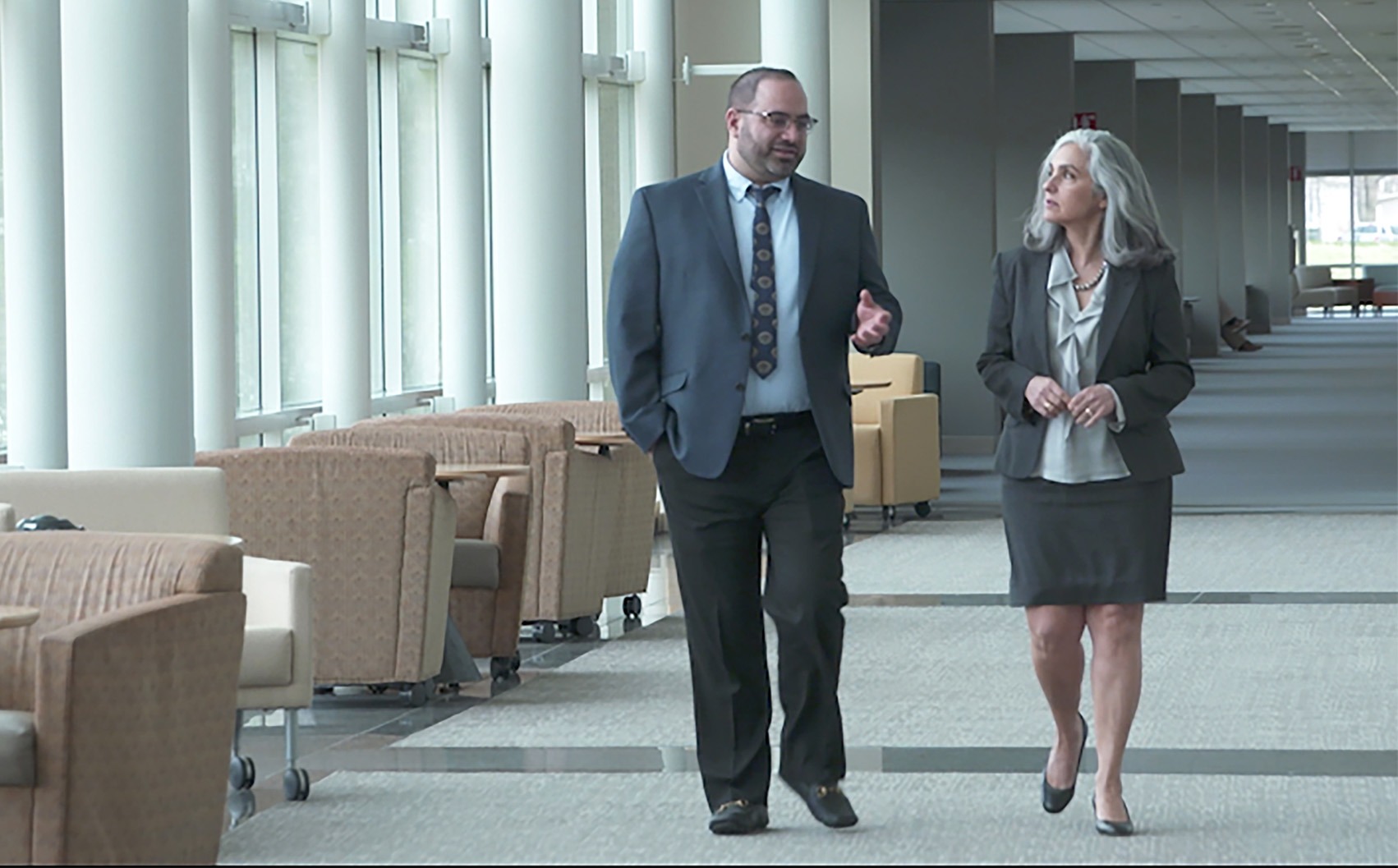
Two colleagues walk and talk

“Even though I enjoyed every moment of practicing medicine and treating patients with cancer, I had the question at the back of my mind: How can I do things differently? How can I improve patient outcomes?” recalled Samkari, who now works for MSD as executive director in oncology clinical development. “That’s what drove me to pursue my career in clinical research, where I could help patients on a larger scale.”

And after 25 years as a surgeon, when a hand ailment ultimately sidelined her in the operating room, Dr. Nazly Shariati found that research was another avenue to help more patients.

Dr. Shariati headshot

“MSD allowed me to not only fulfill my goals in life and my career but continue on my path to have an impact on patients’ lives.”

— Dr. Nazly Shariati

Senior principal scientist in oncology clinical development

From careers in clinical care to careers in research

Samkari’s background as an oncologist, and Shariati’s as a surgeon, have informed their work in our lung cancer clinical development program. All too familiar with the challenges of treating patients with advanced disease, Samkari and Shariati are shifting their research to investigating lung cancer at its earlier stages, before it has spread, when it’s more likely to be successfully treated.

When she was a cardiothoracic surgeon, Shariati often felt a sinking feeling whenever a patient’s lung cancer would return, which is common among people diagnosed with lung cancer that was removed surgically. But today she’s excited by scientific advances in resectable lung cancer focused on helping more patients.

Understanding the patient experience

Shariati said understanding the patient experience is what drives a researcher’s passion, innovation and desire to help others.

Ayman Samkari headshot

“It is very important to have that experience in managing and seeing patients because it gives you a completely different perspective on how you conduct your work.”

— Dr. Ayman Samkari

Executive director in oncology clinical development

Each day, Samkari and Shariati continue to push the boundaries in research to help make a difference for people living with cancer.