Health awareness

HIV community advocates spark a global conversation

Meet three HIV advocates who are using their stories to uplift, spark change, and create spaces of healing and hope across continents

October 7, 2025

Share this article

Facebook icon

.st0{fill:#00857C;} X icon

Linkedin icon

Email icon

Around the world, HIV advocates are working tirelessly to confront stigma, alleviate loneliness and empower people living with HIV through education, community building and storytelling.

Isaac Ogunkola, Erika Castellanos and Nesrine Rizk exemplify how compassionate advocacy can transform lives. Their work reminds us that even the smallest action — whether it’s sharing a story, offering support or educating just one person — can spark meaningful change.

Above, watch them reflect on their work and read on to learn more about each advocate.

Isaac Ogunkola: Empowering the next generation of HIV advocates

Isaac Ogunkola didn’t set out to be a voice for the HIV community. When he began working with young refugees and local children in Nigeria, the goal was to teach reading and writing. After learning some of them were living with HIV, he reflected on the experience of watching family members die from preventable diseases and decided he would pursue public health.

Ogunkola’s organization connects youth to clinics for testing and treatment of HIV, preventive education and harm reduction services. “People living with HIV face many challenges, and my work is about connecting them to medical services and fostering environments where they can live safely and with dignity,” Ogunkola said.

His biggest impact has been through the development of a peer education program for refugee settlements in West Africa. By training 35 young refugees as educators and advocates, they’ve been able to reach 2,000 other refugees with testing and prevention services. These peer advocates help combat stigma by creating a safe space to discuss topics related to HIV transmission, like sex and drug use, that are often stigmatized.

“The peer educators can continue the training while I’m no longer in the settlements. Seeing that the project is self-sustaining, that is success for me.”

  • Isaac Ogunkola

Although Ogunkola’s advocacy journey has expanded beyond the grassroots level to working with governments and policymakers, he’s still passionate about the power of individuals to make a difference, especially young people.

“We can tap into the strength of young people,” he said. “We can push young people to be stakeholders in the implementation of these projects right from the beginning and throughout the life of the projects.”

Erika Castellanos: The joyful warrior

Erika Castellanos first encountered the devastation of the HIV epidemic while volunteering at a hospice in Mexico in the early 1990s. As a transgender woman from a small town in Belize, Castellanos understood what it felt like to be stigmatized by her community. So, when she noticed hospice patients with HIV who had been abandoned by their relatives, she stepped in to hold their hands and read them books, making sure they knew they weren’t alone.

In 1995, Castellanos contracted HIV and was told she’d have just six months to live. She’s grateful to have survived that moment, and it was an unexpected encounter with another woman living with HIV at that time that inspired Castellanos to become an advocate herself. This other woman was always cheerful and good-humored about her condition despite her difficult prognosis, which puzzled Castellanos — until she decided to try and do the same. She realized that by embracing her own diagnosis and speaking openly about living with HIV, she could empower others.
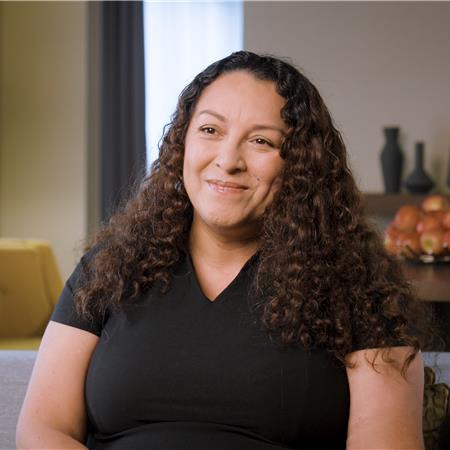
“It felt good to be able to laugh again, even about the things we were struggling with. If I want to do anything in life, I want to make someone else smile.”

  • Erika Castellanos

Over the past three decades, Castellanos has advocated for a better quality of life for people living with HIV and the LGBTQ+ community worldwide. She now lives in the Netherlands with her husband and two children, where she runs an organization that advances equality for the transgender and gender diverse communities.

Even as the challenges facing these communities have changed, the most important part of her advocacy work has always been sharing positivity with others.

“Living with HIV is not just about managing the virus, but also about managing the judgment and prejudice that comes with it,” she said.

Castellanos emphasizes the importance of sharing stories to combat loneliness and stigma. “Don’t be shy,” she urges. “Speak out. Share your stories. Someone else will hear your message and no longer feel alone.”

Nesrine Rizk: Bridging medicine and social science in HIV care

Dr. Nesrine Rizk believes medicine is not just a science, but also a social discipline, especially when treating people with infectious diseases like HIV.

“Because of its history and transmission route, HIV is deeply intertwined with cultural norms, stigma and how people live and interact,” said Rizk, who practices in Lebanon.

Rizk advocates for comprehensive education of health care providers and the public, policy reform and community engagement to dismantle stigma.

“Stigma will impact the ability of a person to access prevention methods, stigma will impact an individual’s access to HIV health care, and stigma will affect treatment and adherence to therapy,” she said. “Stigma creates barriers to accessing prevention, care and treatment, and can lead to late diagnosis and increased mortality. It impacts their quality of life profoundly.”

In Rizk’s region, access to condoms can be limited, at-home testing is often unavailable and patients sometimes feel compelled to hide their medication from loved ones. These additional barriers to care have, in part, contributed to the region’s steep rise in new infections.

Rizk believes physicians should normalize discussions about sexual health and HIV in primary care settings, just as providers would address cholesterol or blood pressure.

“The bond between providers and people living with HIV is unique,” she said. “Being present to support patients throughout their life journey is essential.”

  • Nesrine Rizk

These stories are a powerful reminder that HIV advocacy is not just about HIV — it’s about humanity. Through empathy, courage and connection, individuals like Ogunkola, Castellanos and Rizk show us that change often begins with one person making the effort to care. Whether by listening, sharing or simply standing beside someone on their journey, we all have the power to make a difference.


Health awareness

Finding joy after surviving cervical cancer twice

How one woman embraced life, marriage and motherhood despite her cervical cancer diagnosis

September 29, 2025

Share this article

Facebook icon

.st0{fill:#00857C;} X icon

Linkedin icon

Email icon

Grenado and family

Several years ago, Christine Granado was living happily in New Jersey with her fiancé and then-9-year-old son, but she felt something wasn’t right.

In the span of a year, she lost three pregnancies. The first miscarriage came as a total shock. With the second, she felt confused. After the third, she was afraid something was terribly wrong. She decided to go for a routine checkup. While undergoing a series of tests ordered by her OB-GYN, she got surprising news: she was diagnosed with stage IIB squamous cell cervical cancer that had spread to her lymph nodes. At just 28, Christine said she felt disbelief.

“How can I have cancer at this age?” she asked herself. “I remember peeking through my bangs, feeling like I was trying to hide behind them.”

Young women are at risk for cervical cancer, too

Granado wasn’t alone in asking herself that question. Cervical cancer is most often diagnosed between the ages of 35 and 44. In 2022, over 660,000 people around the world were diagnosed with cervical cancer.

Regular screenings can catch early changes in the cervix before they turn into cancer, but not everyone has the same access or risk factors for cervical cancer. That’s why it’s so important to make sure everyone gets the care they need.

Beginning her cancer treatment journey

Granado started treatment as soon as possible. She was prepared for physical side effects but was overwhelmed by the other changes that soon followed, including how she felt about losing her fertility. She and her partner discussed preserving her eggs but decided against it as doing so would have delayed her treatment.

Granado’s cancer went into remission for three years, and she found joy again: She and her fiancé got married and decided to have a baby via surrogate.

The shock of a recurring cancer diagnosis

Then, soon before her son was born, Granado started having unexplained chest pains. A CT scan found enlarged lymph nodes. She was diagnosed with metastatic cancer.

“When I got the recurrence diagnosis, I was devastated. It was hard to hear, but it motivated me to finish things, to contact a lawyer and get things in my kids’ names — to think about life after me,” she said. 

It also motivated her to continue with more treatments. During her second round of treatment, Granado was able to welcome her new son. When she saw him, she took him in her arms: “I bawled my eyes out.” 

A focus on mental health 

In addition to her son’s arrival, Granado said a focus on herself has sharpened her resolve to live her best life. When the cancer came back, she grieved for her life. She would cry and sleep all day. Her depression stopped her from enjoying precious time with her family.

“The most disabling thing I dealt with was the depression,” she said. “There were days when I would feel physically OK, but I’d still stay in bed all day.” Thankfully, Granado had the support of a psychologist and a psychiatrist who helped her feel well again. 

Cervical cancer won’t stop her from living her best life 

Granado has been able to complete a master’s degree in health leadership, and her family has a new border collie named Harry. Even everyday activities like going to the hardware store and winding down with a book mean so much more now. She appreciates the small details, like watching TV with her son on the couch.

“Life has been amazingly boring,” she says. “In a good way.” 

Granado said she hopes her story will inspire others and give them hope in the face of a cancer diagnosis.

Health awareness

Navigating RSV disease: one family’s journey

As a leading cause of hospitalization for infants globally, respiratory syncytial virus (RSV) can progress to severe illness for some babies

September 23, 2025

Share this article

Facebook icon

.st0{fill:#00857C;} X icon

Linkedin icon

Email icon

Caring for a child with respiratory syncytial virus (RSV) can be challenging. New parents Amanda and Jeremy thought they were as prepared as possible for any illness for their daughter Charlotte.

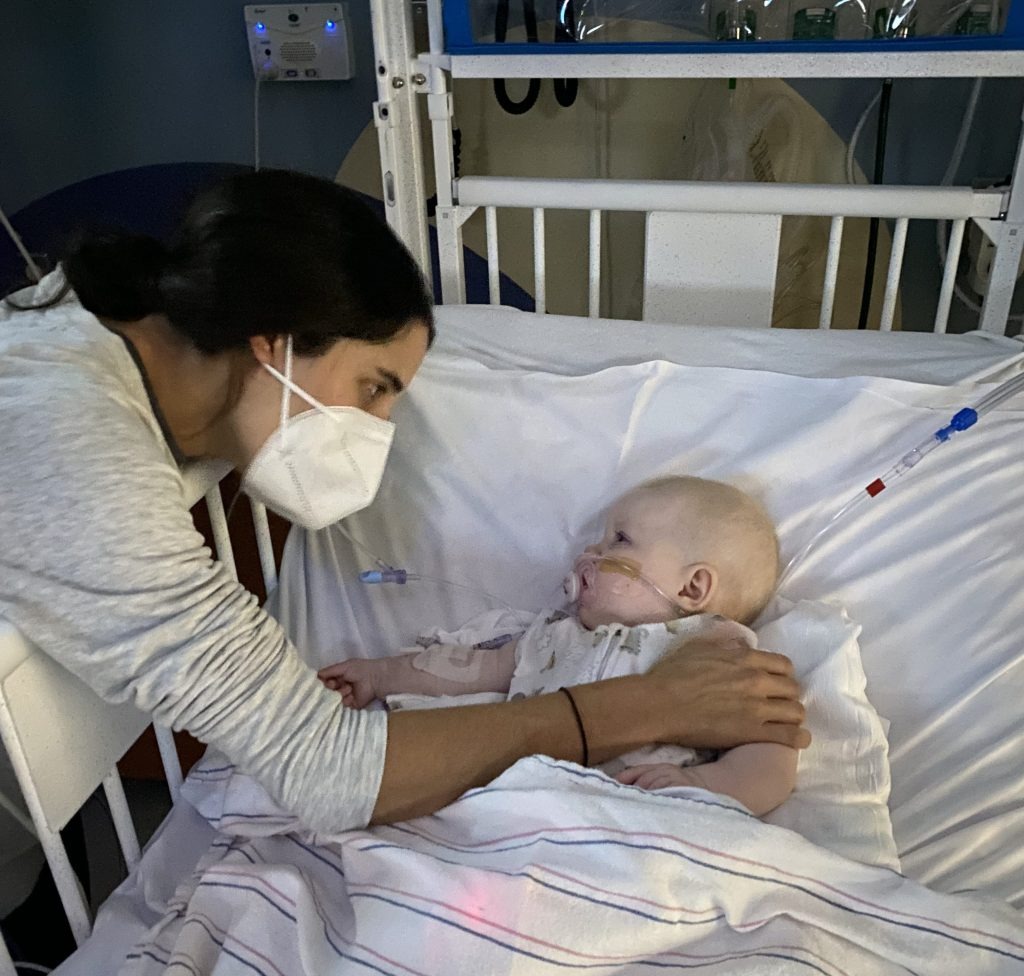
Charlotte’s first night in the pediatric ICU.

They had an established pediatrician, supportive family and friends and a variety of resources and supplies on hand to help manage symptoms. But they weren’t prepared for Charlotte to progress from having what they initially thought was a cold, with a cough and runny nose, to being admitted to the pediatric intensive care unit for RSV at only 7 months old.

RSV is a contagious, widespread seasonal infection and a leading cause of hospitalization for infants globally. Infants are among the populations most at risk of contracting the severe virus during their first RSV season.

Charlotte’s experience with RSV

“Charlotte was a happy, chill baby. When she wasn’t happy, it was usually a sign that she was about to get sick,” said Amanda, who as a first-time parent hadn’t thought much about RSV up until that point.

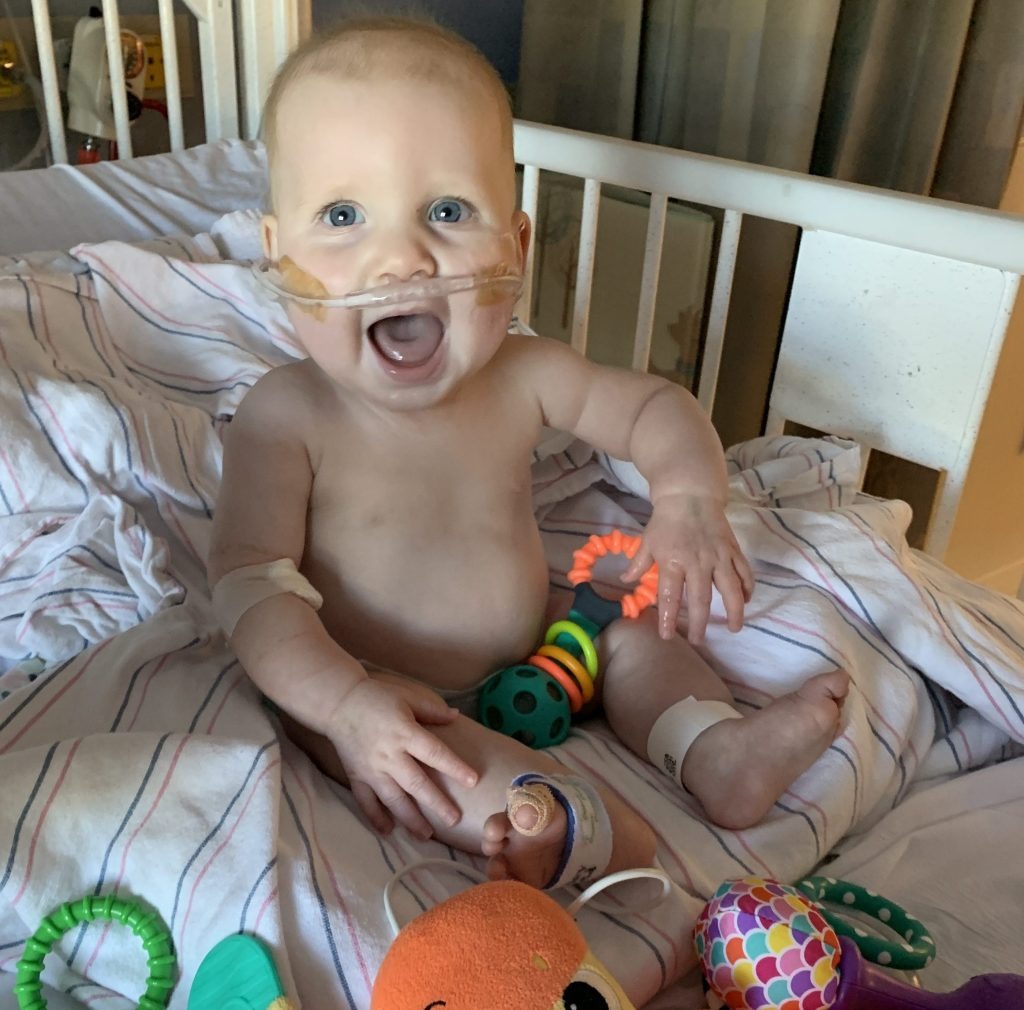
On the day Charlotte was cleared to go home.

As Charlotte’s symptoms worsened, their doctor told Amanda and Jeremy what to look out for, mainly retracting or pulling in between and under the ribs, which was a sign of her struggling to breathe.

Amanda and Jeremy were surprised when Charlotte was admitted for difficulty breathing due to RSV and stayed in the pediatric ICU for a week.

Fortunately, she recovered and Amanda and Jeremy were so appreciative of her medical care. Today, Charlotte is a healthy and happy 3-year-old who loves spending time with her parents and younger brother.

Amanda understands that her family’s experience is unfortunately not unique.

"I urge all parents to understand the signs and symptoms of RSV so you can be prepared."

— Amanda

The impact of RSV on infants

RSV is a common seasonal respiratory infection that can be spread through virus droplets when an infected person coughs or sneezes, or through direct contact with the virus, like kissing the face of a child with RSV.

Common symptoms include a runny nose, fever, coughing and wheezing. While RSV doesn’t usually cause severe illness, healthy and at-risk infants can develop more severe cases that may lead to illnesses such as bronchiolitis (inflammation in the small airways of the lungs) or pneumonia (infection of the lungs) and may require hospitalization.

It’s important for caregivers to speak with a health care provider to learn more about RSV and its symptoms.

Innovation

Macrocyclic peptides: a new research frontier

MSD scientists are exploring macrocyclic peptides, a new way to combine the properties of a biologic in a pill

September 18, 2025

Share this article

Facebook icon

.st0{fill:#00857C;} X icon

Linkedin icon

Email icon

Macrocyclic peptides-

Small molecules, generally taken as pills, make up nearly 90% of medicines used today. It’s hard to think of a world without them. The use of small molecules has been critical in expanding the reach of and access to medicines around the world.

But it’s challenging for small molecules to impact the large featureless surfaces of protein-protein interactions, which govern a wide range of biological processes in our bodies.

primary article image

To target these interactions, scientists have turned to large molecule biologic therapies, like monoclonal antibodies, which — taken by infusion or injection — have been critical in advancing the treatment of many diseases, including some cancers and autoimmune disorders.

Over a decade ago, MSD scientists began investigating a way to create a new kind of medicine that would combine the potency and precise targeting of an antibody with the stability and ease of administration of a small molecule or pill.

“Macrocyclic peptides allow us to cast a wider net on the protein interactions we want to drug, providing a vast and untapped opportunity to access a wider range of targets and potentially new ways to treat different diseases,” said Dani Schultz, director of chemistry.

An intermediate-sized modality: not too big, not too small

Macrocyclic peptides, with their intermediate size — not too big, not too small — combine the properties of both small molecules and biologics. With their larger size and unique ring shape, macrocyclic peptides can tightly bind ample surface area to disrupt protein-protein interactions compared to traditional, linear-shaped peptide therapies. 

Macrocyclic Peptide Graphic
Size differences between small molecule, peptide and antibody

“The design and invention of macrocyclic peptides is notoriously complicated,” said David Thaisrivongs, director of chemistry.

David Thaisrivongs headshot

“Similarly, scaling production up for a macrocyclic peptide small molecule, with four to five times the size and complexity of a typical small molecule, represented a bold endeavor.”

  • David Thaisrivongs
    Director of chemistry, MSD

For our researchers, this work started by screening large libraries of cyclic peptides using messenger RNA display technology. This led to the identification of cyclic peptide leads that were optimized using 3-dimensional protein structure-based design and advanced computational techniques. Further molecular iterations and refinements improved the absorption, potency and stability of the first candidate.

“A diverse, interdisciplinary team of skilled and determined people from across our chemistry organization has dedicated substantial efforts to advancing this science,” said Thaisrivongs.

Macrocyclic peptides potentially open new possibilities in drug discovery 

Our ongoing macrocyclic peptide discovery efforts represent a new era in drug discovery which may one day allow us to treat diseases that have long evaded traditional small molecule approaches and help improve access to medicines typically administered via injection or intravenously. 

“Macrocyclic peptides are a new modality, and we’re still in the early stages of understanding their potential to impact disease and patient care,” said Schultz.

“There’s no playbook here, we’re innovating and developing new techniques on how to optimize and synthesize macrocyclic peptides — it’s really thrilling for me as a scientist because the potential is huge.”

  • Dani Schultz
    Director of chemistry, MSD
Dani Schultz

Sustainability

MSD publishes Purpose for Progress Impact Report 2024/2025

August 18, 2025

Share this article

Facebook icon

.st0{fill:#00857C;} X icon

Linkedin icon

Email icon

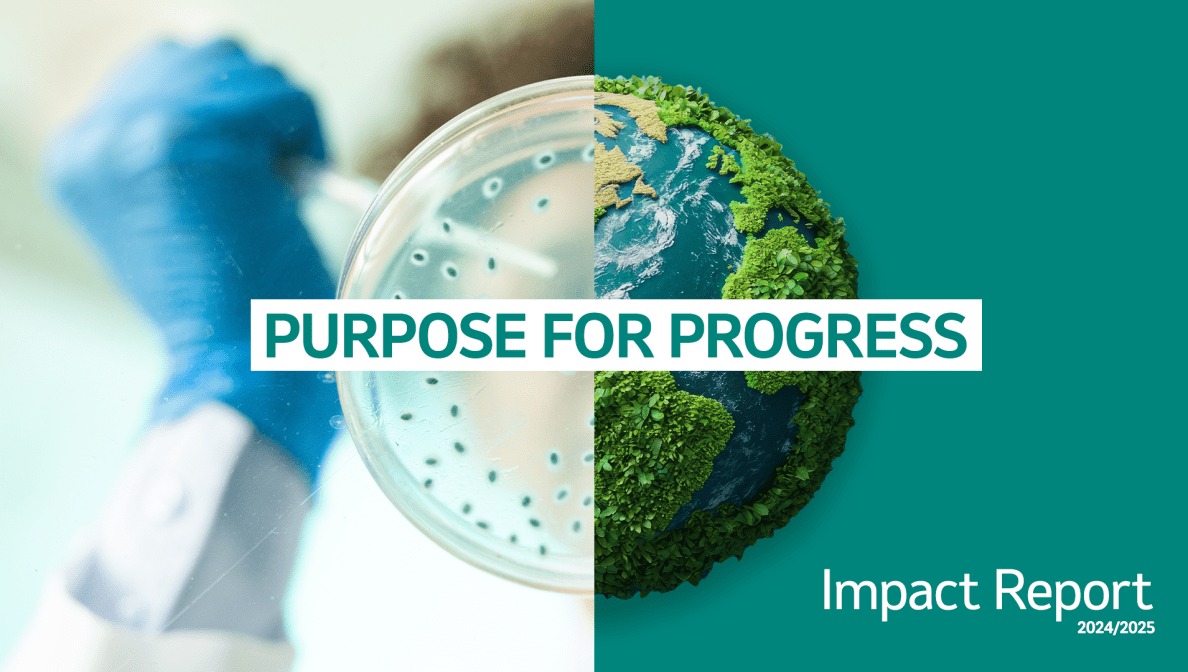
Split image showing a gloved hand holding a petri dish with greenish-blue microbial colonies on the left, and an artistic Earth covered in green foliage and blue oceans on the right

Our company’s purpose is to use the power of leading-edge science to save and improve lives around the world. This purpose serves as our compass and guides us every day. Our Purpose for Progress: MSD 2024/2025 Impact Report provides a comprehensive view of how we’re pursuing innovative science for the health of people and animals and ensuring our efforts drive significant and sustainable value.

“Our long-standing commitment and focus on advancing access to health, operating responsibly and implementing strategies that protect the health of people, animals and the planet is unwavering,” said Rob Davis, chairman and CEO. “As we continue to navigate the rapid pace of change happening all around us, I am proud of the progress we’ve made thus far, and I remain optimistic about our future.”

A few highlights from this year’s report*

icon
>247M

People enabled access to our innovative medicines and vaccines through access solutions.

icon
>66M

People reached with our social investments in low- and middle-income countries and in underserved populations in high-income countries. We've surpassed the goal of reaching 50 million by 2025.

icon
92%

Countries reached globally with our products, surpassing our goal for the fourth year in a row.

*All numbers as of 2024 (report page 15)

Our employees worldwide played a pivotal role in delivering novel solutions that addressed some of the world’s most serious and complex global health challenges. We’re proud that in 2024, our medicines and vaccines reached more than 450 million people around the world.

Our sustainability strategy has four main areas of focus

  • Access to health: In collaboration with global health stakeholders, our social investments aim to advance access to quality health systems, and we seek to ensure that our products are accessible and affordable worldwide.
  • Employees: We recognize that our ability to excel depends on the integrity, knowledge, imagination, skill, diversity of thought, perspectives and experiences, and well-being of our employees.
  • Environmental sustainability: We strive to operate our business sustainably, considering the impact on both the health of our planet and its inhabitants, while also providing opportunities for product innovation and reduction in costs and risks. We have a long history of environmental stewardship and compliance, and we continuously evolve our strategy and efforts in the face of a changing climate.
  • Ethics and values: Our ethics and values are at the center of everything we do. Through our unwavering commitment to transparency, we are committed to earning the trust and confidence of our stakeholders.

Learn more about our progress in these areas and read this year’s report.

Health awareness

Is your child up to date on their vaccines? Make a plan today

Keeping kids’ vaccinations current can help protect them against vaccine-preventable diseases

August 18, 2025

Share this article

Facebook icon

.st0{fill:#00857C;} X icon

Linkedin icon

Email icon

a girl with a band aid on her arm

One of the many ways parents can help protect their kids from certain infectious diseases is by keeping them up to date on their recommended vaccines.

“Vaccines are powerful tools that can help protect against certain diseases. Making sure your kids are up to date on their vaccines is one way you can help protect them,” said Andrew “Drew” Otoo, PharmD, president of global vaccines from 2022-2025 and current regional president, MSD. “Speak with your child’s health care provider and ask about vaccines that may be recommended.”

In addition to scheduling vaccinations, child well-visits are essential for discussing concerns about children’s health and tracking growth and developmental milestones.

Dr. Andrew “Drew”
Dr. Andrew “Drew” Otoo

“For all of us, let’s get creative. We’ve seen what our communities can do when it comes to new and effective ways to reach populations for vaccination.”

Even small actions can have an impact. Parents and community members can make a point to talk about routine and recommended vaccinations. Health care providers can use electronic health records and immunization registries to remind parents to schedule well-child visits for children who may be overdue for a check-up.

It’s critical to improve and maintain high vaccination rates

In 2023:

~21M

~21 million children around the world were either unvaccinated or undervaccinated in 2023. 14.5 million children did not receive any vaccines, almost 2 million more than in 2019, according to UNICEF.

Persisting challenges around vaccination equity and confidence can lead to drops in vaccination coverage rates, putting children and individuals of all ages at risk of potentially serious, yet vaccine-preventable, diseases.

“Our purpose is clear: How can we continue to increase vaccination rates for all recommended vaccines for all populations, including underserved communities, to help protect public health? There is an urgency to this work,” said Otoo.

Health literacy is also key in these efforts. When you understand health information, you can make make informed health decisions.

“We’re surrounded by so much information coming at us from so many directions, and it can be hard to make sense of where to go for guidance or answers,” said Otoo. “It’s so important to make sure that we’re providing information that parents can understand to help them make informed decisions about vaccination for their families, as well as overall health care.”

For more than 100 years, MSD has been a pioneer in the fight against vaccine-preventable diseases. But the burden is still too high, and new threats to global health will emerge. That’s why we are continuing to invest in groundbreaking research and breakthrough technologies to help protect against a variety of potentially serious infectious diseases. We’re also collaborating globally, nationally and locally to build trust, enable access and improve vaccination rates.

We remain focused on helping to protect people around the world and across all stages of life.

Sustainability

We’re ‘seeing green’ and building a more sustainable business

Our award-winning ‘See Green, Be Green’ sustainability initiative exemplifies our company's and employees' commitment to operating responsibly

August 7, 2025

Share this article

Facebook icon

.st0{fill:#00857C;} X icon

Linkedin icon

Email icon

Group of people working together

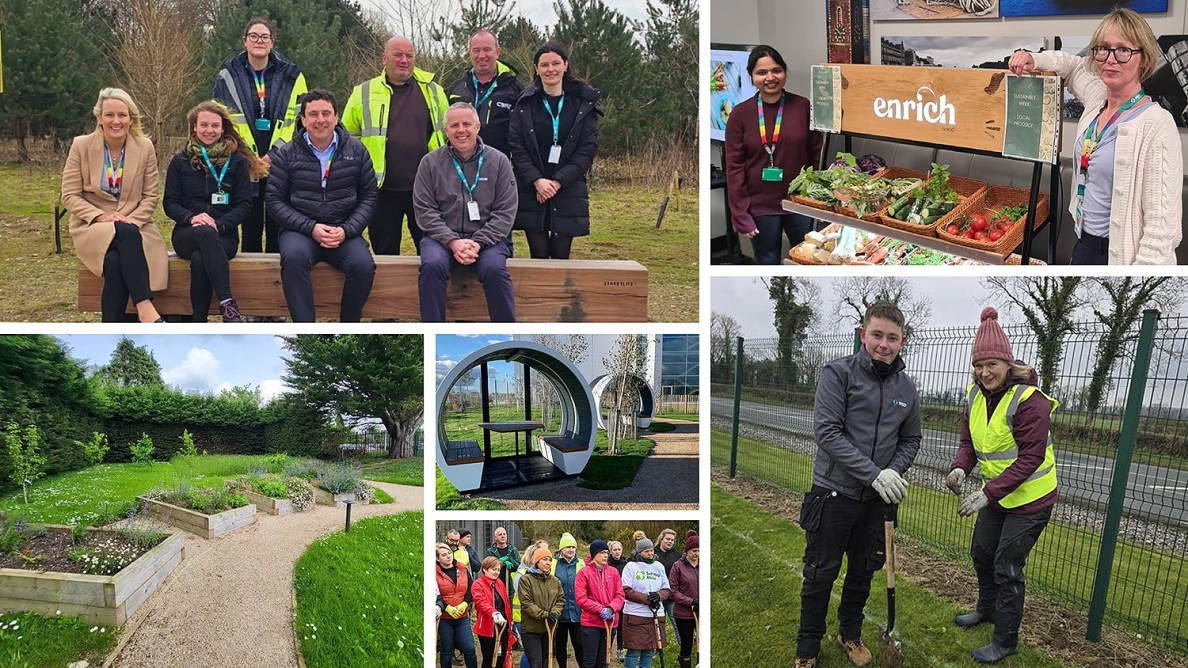
Across our locations in Ireland, we’re taking the Emerald Isle ethos to heart with a call to “See Green, Be Green.”

See Green, Be Green is an employee-led initiative that aims to reduce our company’s environmental impact by embedding a sustainability mindset at every level of our operations. The program started in Ireland and has taken root across the organization, inspiring innovation, enhancing efficiency and driving progress toward our company’s climate goals.

“We decided to collectively develop, implement and maintain this program, not just because it’s the right thing to do, but because of our shared belief that sustainability-focused business is smart business. What we do — and how we do it — truly matters.”

  • Mark O’Connor
    Associate director of engineering in our energy and environmental sustainability center of excellence

Built around four focus areas — carbon transition, waste and water management, biodiversity and culture — See Green, Be Green is a framework that guides the sites’ sustainability efforts, from installing EV chargers and solar panels to planting pollinator gardens and native trees.

Colleagues from six of our Ireland locations — Ballydine, Brinny, Carlow, Biotech Dublin, Dunboyne, and Red Oak North — form a core team that identifies shared priorities and guides projects. The country leadership team, composed of plant managers, actively sponsors this initiative and provides strategic oversight. Cross-functional teams facilitate knowledge sharing among the sites to foster innovation and drive progress countrywide.

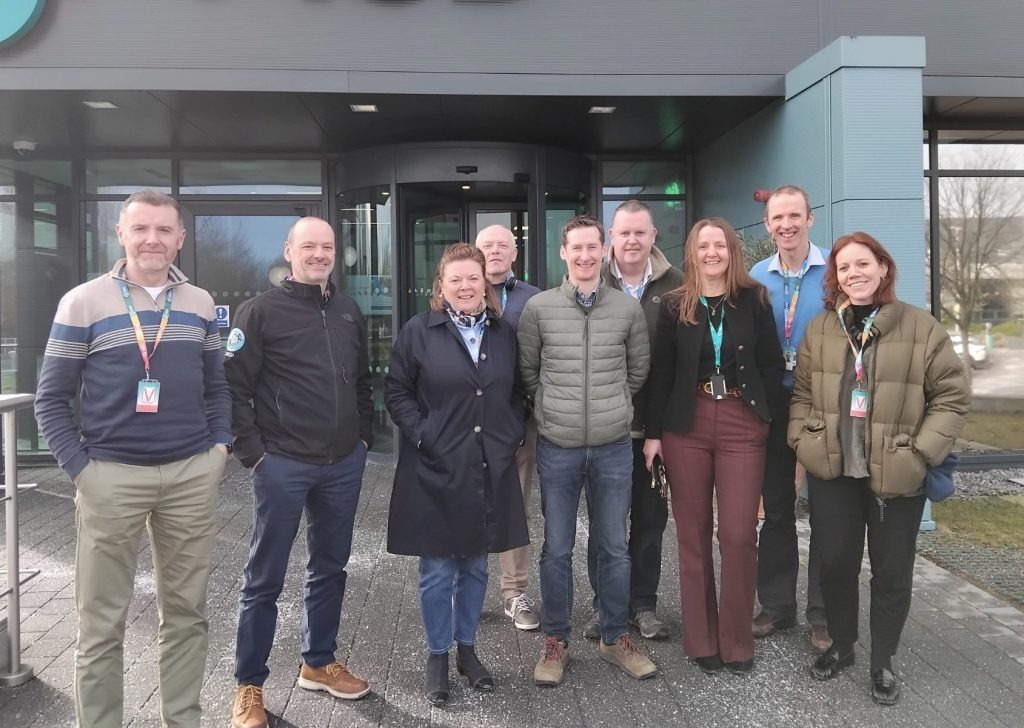
Members of the See Green, Be Green core team in Carlow

“As individuals, you can definitely make a difference,” said James Maher, engineering specialist and See Green, Be Green lead in Carlow. “But when you come together as a group, the change can be massive.” 

Since the program’s launch, the sites have made significant strides in reducing greenhouse gas emissions, waste and water usage, earning numerous accolades along the way, including the top honor from the Irish business community’s Green Awards, which recognizes companies excelling in environmental innovation and leadership.

Our sustainability efforts in action

Carbon transition 

Reducing carbon emissions is critical to our company’s goal of achieving net zero by 2045. All six of our Ireland locations involved in the See Green, Be Green program have been certified in ISO 50001, an internationally recognized standard for managing energy, and in 2024 sourced 56% renewable energy through virtual power purchase agreements, making progress toward our company’s target to source 100% of our purchased electricity from renewable sources by 2025.

Other initiatives include installing solar panels, using electric company vehicles and transitioning from gas to electric boilers.


A 15-acre, 7.3-MW solar farm in Ballydine can generate the equivalent of powering more than 5,000 households with electricity; meeting pods in Dunboyne are outfitted with 160W 12V solar panels that supply power to the internal LED lights and USB charging points.

Waste and water management 

The Ireland sites send zero waste to landfill — key to our company-wide goal for at least 50% of sites to do so by 2025 — and are now working on improving other means of disposal, such as recycling rather than incinerating when possible, and donating items to organizations in need.

Other efforts include installing water fountains to replace single-use water bottles, harvesting rainwater and providing reusable coffee cups in company cafes.

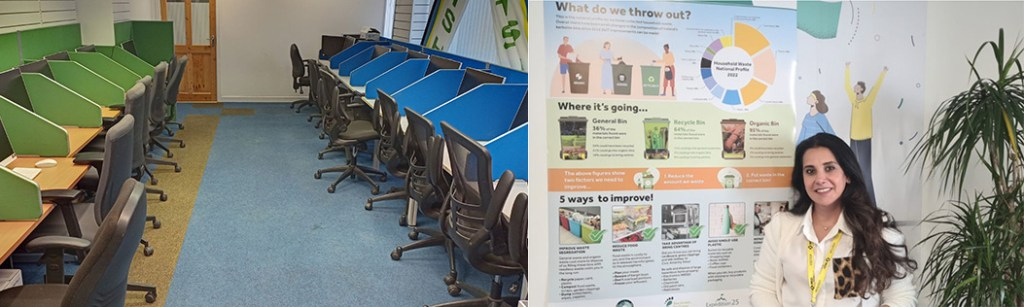
Office furniture from our Carlow site gets a new life at a community center; a new and improved waste segregation system was unveiled in Brinny during Sustainability Week 2024.

Biodiversity

All six locations involved in the See Green, Be Green program have been accredited with All-Ireland Pollinator Plan Business certifications. Initiatives include planting pollinator-friendly and native species of plants, trees and bulbs, installing bug hotels and adopting “No-Mow May” to aid clover growth.

A bug hotel at Biotech Dublin and wildflower planters at Red Oak North help attract pollinators.

Culture 

Arguably the most important part of See Green, Be Green is creating a culture in which everyone is empowered to take action. From educational campaigns and outreach events to grow-your-own food and energy-reduction challenges, employees are encouraged to embrace sustainability at work, at home and in their communities.

“We want everyone to get involved so that we can make informed decisions about our habits and how it impacts our environment,” said O’Connor.

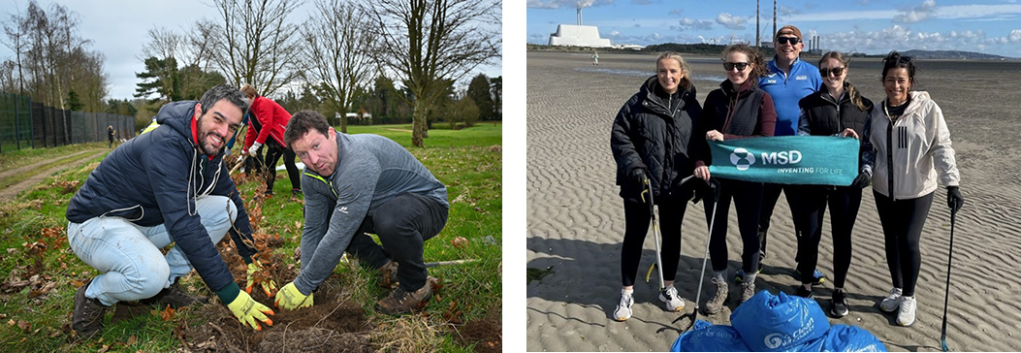
Carlow colleagues plant native trees as part of a joint reforestation initiative in Ireland and Africa; Red Oak North colleagues help clean up Sandymount Strand in Dublin.

While the sites continue to challenge themselves to do more and do better, the initiative’s impact is already palpable.  

“It’s the mindset changes, it’s the momentum, it’s getting things done,” said Maher. “It’s the fact that our company really cares and that we’re taking real action.”  

baby and mother outside

Environmental sustainability

Beyond Ireland, the color green is a call to action that resonates deeply with our shared values. Together, we’re sowing the seeds for a brighter, healthier future for our communities and our planet.

Innovation

Our Q2 2025 financial results

July 29, 2025

Share this article

Facebook icon

.st0{fill:#00857C;} X icon

Linkedin icon

Email icon

illustration of people and building blocks

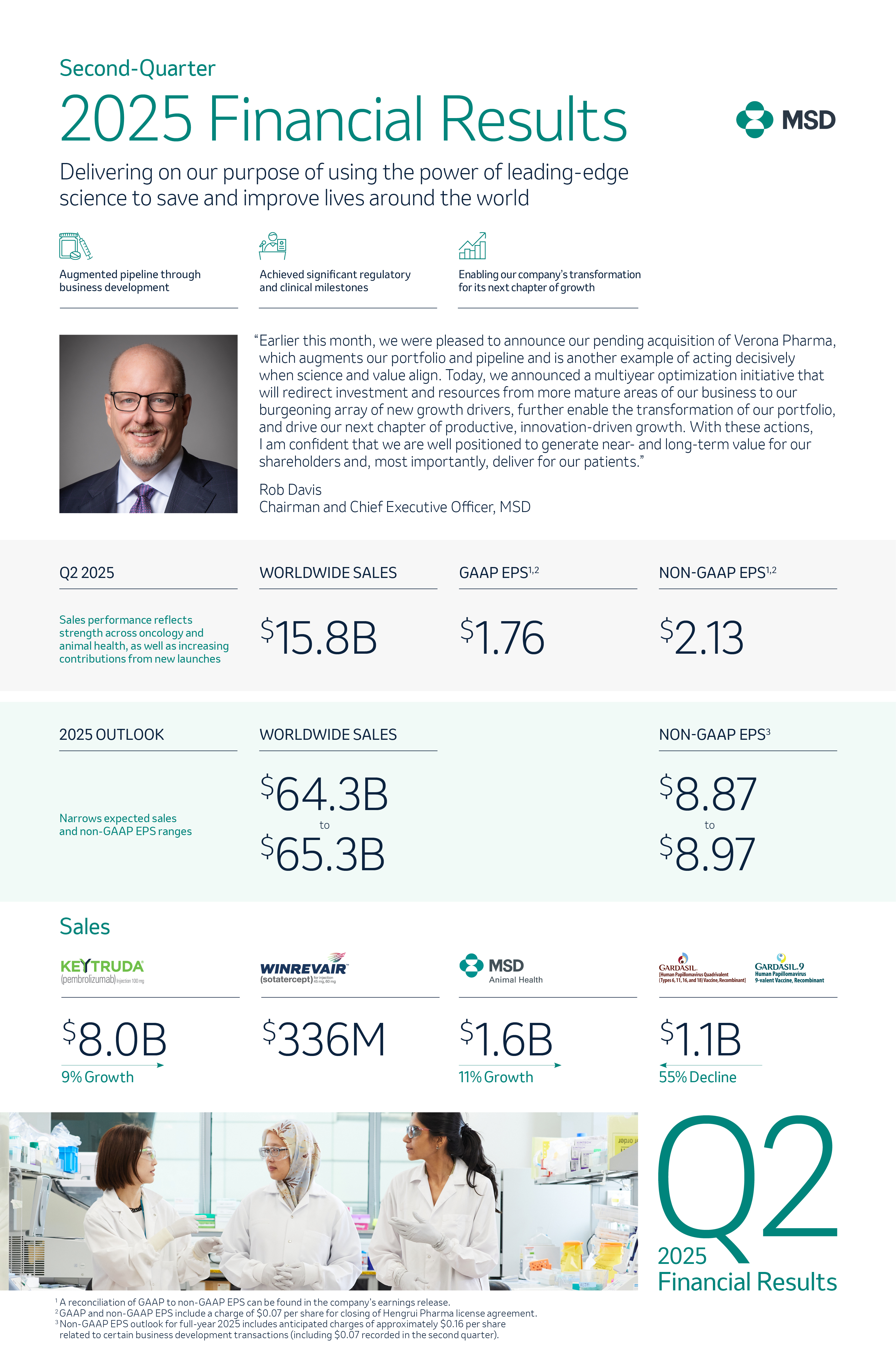
MSD’s Q2 2025 sales performance reflects strength across oncology and animal health, as well as increasing contributions from new launches. Our company announced Q2 worldwide sales of $15.8 billion.​

“Earlier this month, we were pleased to announce our pending acquisition of Verona Pharma, which augments our portfolio and pipeline and is another example of acting decisively when science and value align,” said Rob Davis, chairman and CEO. “Today, we announced a multiyear optimization initiative that will redirect investment and resources from more mature areas of our business to our burgeoning array of new growth drivers, further enable the transformation of our portfolio, and drive our next chapter of productive, innovation-driven growth. With these actions, I am confident that we are well positioned to generate near- and long-term value for our shareholders and, most importantly, deliver for our patients.”​

​MSD anticipates full-year 2025 worldwide sales to be between $64.3 billion and $65.3 billion.​

Take a look at the infographic below for more details on Q2 2025 results.

Q2 2025 Earnings

Download infographic

Innovation

Exploring KRAS: A precision approach in oncology

MSD scientists research oncogene mutations driving cancer growth

July 22, 2025

Share this article

Facebook icon

.st0{fill:#00857C;} X icon

Linkedin icon

Email icon

3D depiction of KRAS protein complex

How oncogenes like KRAS drive cancer growth

Armed with an ever-deepening understanding of cancer biology and advanced precision medicine tools, scientists have traced the molecular basis of cancer cell formation and tumor growth to alterations in key genes, known as oncogenes. Oncogenes play a crucial role in driving cancer growth by disrupting normal cellular processes that control cell growth and division.

When oncogenes are mutated, they cause cells to grow and divide uncontrollably, leading to tumor formation and cancer development. Understanding how oncogenes drive cancer development provides a potential means to explore new research approaches aimed at the specific genetic drivers of a patient’s cancer compared with a one-size-fits-all approach.

KRAS is one of the most frequently mutated oncogenes found in cancer. In healthy cells, KRAS serves as an on-off switch that regulates cell growth. However, when the gene is mutated, KRAS can become stuck in the “on” position, causing uncontrolled cancer cell growth and proliferation. Several different mutations of KRAS have been identified, and commonly found types include G12C, G12V and G12D.

The KRAS G12C mutation occurs in approximately 14% of non-small cell lung cancer (NSCLC) and 3-5% of colorectal cancers.

Jane Anne Healy headshot

“We now know there’s no one-size-fits-all approach to treating cancer. By focusing on key oncogenes like KRAS, we’re exploring how to harness precision approaches to potentially impact tumor growth at its source.”

  • Dr. Jane Healy
    Vice president and head of oncology early development, MSD Research Laboratories

Advances in targeting KRAS

Despite decades of research, the smooth, spherical structure of the KRAS protein hindered efforts to impact its activity on a molecular level. That’s because chemists often look for places to engage with the protein on its surface, like crevices or cracks.

After 40 years of research and informed by a greater understanding of the detailed structure of the KRAS protein, scientists have discovered ways to engage with a pocket that appears on KRAS when the protein is maintained in an inactive state.

“As we advance our KRAS research efforts, we’re hopeful that we may uncover new ways to impact the underlying processes that fuel cancer growth.”

  • Dr. Marjorie Green
    Senior vice president and head of oncology, global clinical development, MSD Research Laboratories

Today, our scientists are building on these findings to advance potential targeted approaches in oncology research. Our precision oncology research efforts are a key tenet in our robust oncology pipeline.

Our People

Meet two scientists at the forefront of our HIV research

Two esteemed scientists share their motivations and hopes for the future of HIV research

July 1, 2025

Share this article

Facebook icon

.st0{fill:#00857C;} X icon

Linkedin icon

Email icon

Plank and Howell

The field of HIV research has changed drastically in the past 40 years. In that time, we’ve evolved from helping people with HIV struggle to survive to seeing them fully thrive. Now we’re chasing a cure for HIV.

We spoke with two of our own researchers who are leading the charge, Bonnie Howell, Ph.D., and Rebeca Plank, M.D., about what drives them, what’s changed, and what’s next in the HIV research landscape.

What drew you to HIV research?

Rebeca Plank: I think my interest was first sparked at home by my parents, who actually met doing public health work in Chile. But it’s funny, despite that background, I wasn’t pre-med in college. I was an anthropology major. But during my senior thesis, I worked on a project around HIV prevention messaging. That stuck with me.

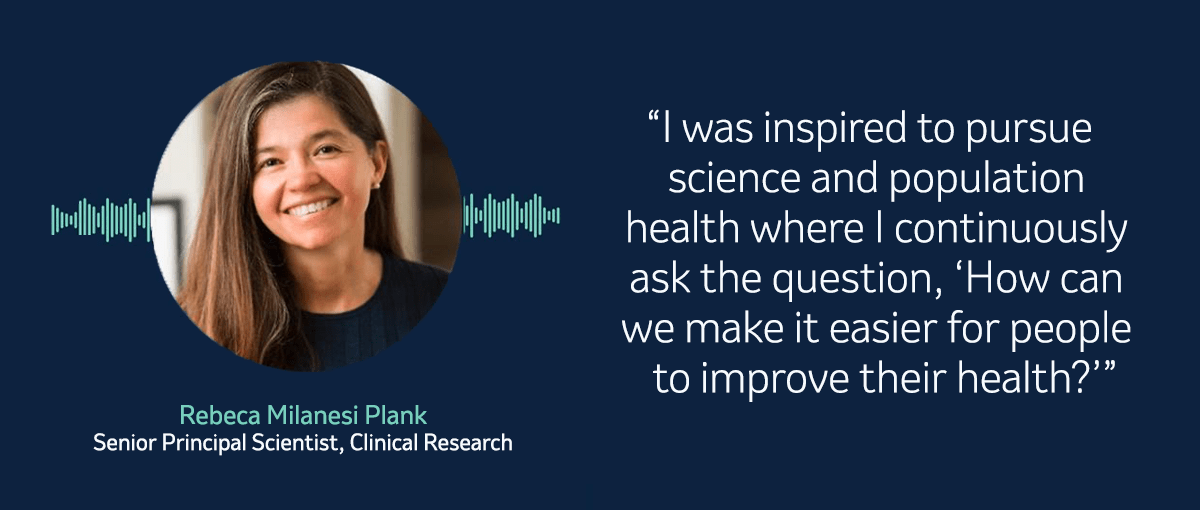
Quote from Rebeca Plank "I was inspired to pursue science and population health where I continuously ask the question, 'How can we make it easier for people to improve their health?'"

Bonnie Howell: I can relate to that. I started working in HIV research after years of working in oncology and quickly recognized the unmet medical need. I realized that a lot of what I learned about cancer research could be applied to HIV as well.

I became passionate about HIV research because I saw it as an opportunity to change the storyline and apply my oncology experience to this different field.

In your mind, what’s been the biggest shift in HIV care?

RP: I think the vast shift can be summed up by what I saw in med school. I was studying in San Francisco between 1996–2001, and I watched an inpatient hospital ward go from a place that housed critically ill people living with HIV to a general medicine ward full of people rightfully expecting to feel better and go back home.

And that’s all due to the fast and impactful medical innovations — such as antiretrovirals to treat HIV — that helped save so many lives.

In a field that’s been historically male dominated, how does it feel to be a female in science and HIV research?

BH: My experience is definitely unique because I’ve been at MSD for my entire career — and I’ve been constantly surrounded by powerful and brilliant women. It’s been a privilege to be a part of a company that has empowered me to roll up my sleeves and contribute day in and day out to this important mission.

And I’m grateful for the chance to continue to add to the legacy MSD has established for itself in HIV — helping to change the way HIV has been treated since the start of the epidemic.

RP: That said, there are still challenges facing women in HIV research. As a med student and also as a resident, it struck me that, looking around the hospital, there were relatively few women who were further along in their careers. It can be so important to see people succeeding who look like you, as role models and mentors — they show you what’s possible.

BH: I completely agree. I also count myself lucky that I was mentored by female leaders who charted the course and. Now I pay that forward and mentor the next generation of female researchers — especially those pursuing HIV.

Why do you think gender diversity is critical in HIV research?

BH: Globally, women bear a huge brunt of this epidemic. A 2024 report showed that 53% of all people living with HIV in 2023 globally were women and girls.

It’s important to make sure that the female perspective is represented within the HIV research community, so women with HIV can have advocates who share and understand their unique female experiences.

RP: Prior to joining MSD, during my time doing field work in Kenya and Botswana, I learned a lot about the nuances and unique hardships of the female HIV experience. Globally, advocating for herself may not always be a woman’s first priority. Not to mention that the stigma of HIV is still too prevalent around the world, which may make it harder to seek care.

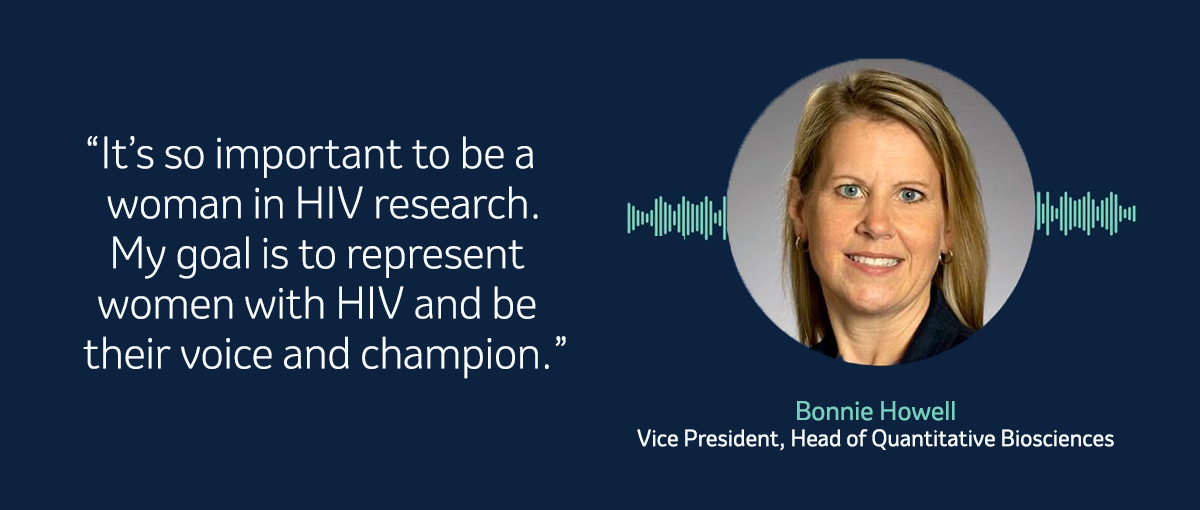
Quote from Bonnie Howell "It's so important to be a woman in HIV research. My goal is to represent women with HIV and be their voice and champoin."

What advancement in HIV research do you hope to see during your lifetimes?

BH: A cure. Whether that’s eradicating HIV from peoples’ bodies or remission, where the virus still exists in the body but is controlled without lifelong treatment.

RP: And then getting this cure — as well as other treatments and better methods for HIV prevention — to people in need, in the manner they need it. Access remains a huge issue, and part of that is the mode of treatment such as frequency of pills or injections. We hear consistently that having discreet treatment and prevention options would be critical.

What gives you the most hope?

RP: So much can evolve in a single generation. These young women we’re working to help, someday they’ll be grandmothers. By empowering them with knowledge and by continuing our work in HIV, we hope to protect future generations.

BH: The HIV community is so passionate and engaged, and we’re designing studies and treatments with those affected in mind. I’m excited to see what the future brings.