Our People

A lifelong commitment to addressing dengue fever

How our colleague’s personal experience fueled his desire to help others

June 10, 2025

Share this article

Facebook icon

.st0{fill:#00857C;} X icon

Linkedin icon

Email icon

With roughly half of the world’s population at risk of contracting dengue fever, Dr. Bin Pangilinan and his colleagues are dedicated to helping address this global health challenge.

Growing up in the Philippines, Pangilinan experienced firsthand the serious impact of dengue, one of the fastest-growing mosquito-borne viral diseases. He saw classmates become ill from the disease and, even though it was not contagious, unfortunately contracted it himself from infected mosquitos multiple times throughout his childhood. The care he received helped shape the course of his life in profound ways.

Pangilinan around 7 years old

His first encounter with dengue at age 7 landed him in the hospital, an experience marked by high fevers and severe body aches. “You would hear about outbreaks in the news, but being at the center of one was entirely different,” he said.

At age 10, a more severe episode required a two-week stay in the hospital — alarming both him and his parents. Finally, at age 15, Pangilinan was diagnosed with dengue once again, a third hospitalization disrupting his college admission tests and highlighting the disease’s unpredictability.

Joining the fight against dengue

His experience with dengue as a child ignited Pangilinan’s passion for medicine, driving him to pursue a career helping others. After completing his medical training, he faced dengue from the other side as a medical intern. “It was one of the most challenging moments in my medical career,” he said. “Treating patients impacted by dengue was a pivotal moment that further fueled my desire to help address this disease.”
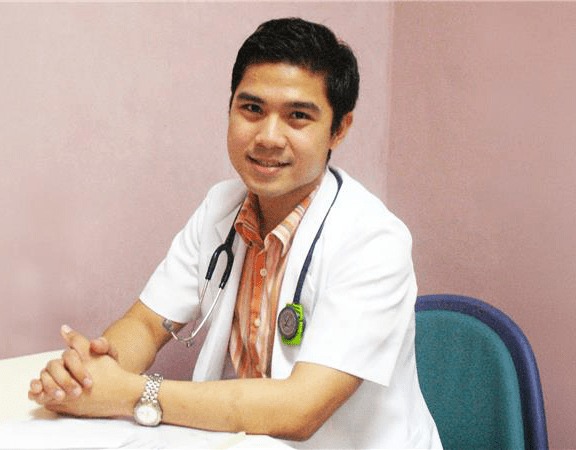
Pangilinan during his medical training

Pangilinan’s career journey eventually led him to MSD in 2013, where he’s worked with various groups including advocacy, medical affairs, access and policy to help address infectious diseases. His personal journey inspires his professional work with a unique empathy and understanding, particularly in his current role, where he is part of a team supporting efforts to alleviate the burden of dengue and infectious diseases.

“The commitment of my colleagues and the dedication of the global public health community to fight dengue are incredibly inspiring,” Pangilinan said.

“That passion energizes me every day and drives me to confront this disease and make a difference for those at risk around the world, especially for my hometown in the Philippines, where my story with dengue began.”

Pangilinan and his colleagues remain committed to leveraging science, innovation and collaboration to help address the impact of infectious diseases like dengue on communities around the world.

Dengue facts and figures
Doctor icon

Transmission and symptoms

Dengue is spread to people by infected mosquitos. Mild symptoms of dengue infection may include fever, rash and muscle and joint pain, while severe dengue disease can lead to shock, internal bleeding and even death.

Statistics

Statistics

Around 4 billion people are at risk for dengue.

Dengue is regularly found in more than 100 countries.

Around 105 million dengue infections are estimated to occur around the globe each year.

Around 4 million people may require hospitalization for dengue symptoms each year.

Health awareness

Infectious disease detection and prevention

Learn more about how to detect and help prevent many infectious diseases

June 6, 2025

Share this article

Facebook icon

.st0{fill:#00857C;} X icon

Linkedin icon

Email icon

Infectious diseases are illnesses caused by pathogenic microorganisms such as bacteria, viruses, fungi and parasites that can spread directly or indirectly from one person to another. These diseases can range from mild to severe and can affect various bodily systems, potentially leading to significant health complications and, in some cases, death.

Vaccination is one way we can help protect against certain infectious diseases. However, in recent years, vaccination rates have been declining, which has contributed to outbreaks of some infectious diseases.

Outbreaks like these are a worrying sign of a heightened risk for the spread of vaccine-preventable diseases.

Information about certain infectious diseases 


Hepatitis A    |    Hepatitis B     |     Measles     |     Mumps   I    Rotavirus   I    I Rubella

Hepatitis A

Hepatitis A is a disease of the liver caused by the hepatitis A virus, which spreads when someone ingests the virus, usually through person-to-person contact or by consuming contaminated food or drink. Those infected may feel sick for a few weeks or several months.

Signs and symptoms of hepatitis A

  • Dark urine or clay-colored stools
  • Feeling tired
  • Diarrhea
  • Fever
  • Joint pain
  • Loss of appetite
  • Nausea
  • Yellow skin or eyes (jaundice)

Potential risks and complications

In rare cases, hepatitis A can cause liver failure and death.

Back to top

Hepatitis B

Hepatitis B is a disease of the liver that’s transmitted when blood, semen or another body fluid from a person infected with hepatitis B virus enters the body of someone who in uninfected (e.g., during sexual contact or childbirth). The disease can range from a mild, acute illness lasting a few weeks to a serious long-term, chronic infection.

Signs and symptoms of hepatitis B

  • Dark urine or clay-colored stools
  • Feeling tired
  • Fever
  • Joint pain
  • Nausea, stomach pain or vomiting
  • Yellow skin or eyes (jaundice)

Potential risks and complications

Approximately 15%-25% of people with chronic infection develop chronic liver disease, including cirrhosis, liver failure or liver cancer.

About 9 in 10 infants infected with hepatitis B ultimately develop a chronic infection, with the risk of chronic infection decreasing as the child gets older.

Back to top

Measles

Measles is highly contagious and can cause serious health complications, especially in children younger than 5 years old. The disease spreads through the air when an infected person coughs or sneezes, with symptoms appearing seven to 14 days after contact with the virus.

Learn more about measles.

Signs and symptoms of measles

  • Fever
  • Cough
  • Runny nose
  • Red, watery eyes
  • Spots in mouth
  • Rash

Potential risks and complications

Complications from measles include ear infections in about 1 in 10 children and diarrhea in fewer than 1 in 10 cases. Some children may suffer from severe complications, such as pneumonia (infection of the lungs) and encephalitis (infection of the brain).

Back to top

Mumps

Mumps is caused by a virus that affects the salivary glands. The disease spreads through direct contact with saliva or respiratory droplets from the mouth, nose or throat. It can take two to four weeks for signs of infection to show.

Signs and symptoms of mumps

  • Puffy cheeks and a tender, swollen jaw
  • Fever
  • Headache
  • Muscle aches
  • Tiredness
  • Loss of appetite

Potential risks and complications

Although rare, mumps can cause serious complications, which include inflammation of the testicles (a condition known as orchitis).

Back to top

Rotavirus

Rotavirus commonly spreads in families, hospitals and child care centers with symptoms usually starting about two days after a person is exposed to the virus. Some symptoms can last three to eight days.

Signs and symptoms of rotavirus

  • Severe watery diarrhea
  • Vomiting
  • Fever
  • Stomach pain
  • Dehydration
  • Loss of appetite

Potential risks and complications

Although usually self-limiting, severe illness can result in dehydration with shock leading to hospitalization or, on rare occasions, even death.

Back to top

Rubella

Rubella, also known as German measles, spreads when an infected person coughs or sneezes. The disease is usually mild with few noticeable symptoms.

About 25 to 50% of people infected with rubella will not experience symptoms but will still be at risk of spreading the infection to others.

Signs and symptoms of rubella

  • Fever
  • Headache
  • Mild pink eye (redness or swelling of the white of the eye)
  • General discomfort
  • Swollen and enlarged lymph nodes
  • Cough
  • Runny nose

Potential risks and complications

Rubella is especially dangerous to developing babies during pregnancy. If you’re pregnant and become infected with rubella, there’s an increased risk of having a miscarriage or the baby dying just after birth. The virus can also be passed on to the baby, who may develop congenital rubella syndrome, which includes birth defects such as heart problems, hearing and/or vision problems or developmental delays.

Back to top

Understanding disease prevention 

It’s important to learn about the potential risks of these diseases.

Talk to your health care provider about ways to help prevent infectious diseases including appropriate vaccines for you and your family.

Vaccines: Our history, our legacy

We’ve spent more than a century working to discover and develop vaccines.

Innovation

We’re pursuing innovative science with antibody-drug conjugate (ADC) research

MSD scientists are evaluating ADCs to explore novel treatment approaches in both solid tumors and blood cancers

May 27, 2025

Share this article

Facebook icon

.st0{fill:#00857C;} X icon

Linkedin icon

Email icon

3D depiction of an antibody-drug conjugate molecule

What are antibody-drug conjugates (ADCs)?

ADCs are a targeted means to transport and deliver chemotherapy to tumor cells. More than two decades since the first approval of an ADC, scientists continue to explore how, by leveraging novel scientific advancements, they can find new ways to better design and develop these molecules in order to better address current unmet needs in cancer treatment.

ADCs are made up of three distinct yet equally important elements — an antibody, a linker and a cytotoxic drug/chemotherapy payload. These elements work together to transport the chemotherapy payload to a specific target expressed on the surface of a cancer cell, bind to the target and then be absorbed into the cell to release the chemotherapy.

Anatomy of an ADC

primary article image

  • The antibody serves as the targeting mechanism, like a zip code helping to direct the delivery of the chemotherapy agent to cancerous cells.
  • The payload, or the chemotherapy agent, is responsible for working to destroy the cancer cell when it’s released.
  • The linker attaches the chemotherapy agent to the antibody and triggers the release of the chemotherapy agent once inside a cancerous cell.

Watch an animation of an ADC in action

Advancements in the scientific research behind ADCs

Since ADCs were first introduced in 2000, the chemistry and science behind these molecules has advanced significantly, and scientists have developed a greater understanding of what makes a good ADC target and how to design ADCs more effectively.

Tumor antigens, or proteins expressed on the outside of a cancer cell, are what an antibody initially binds to. Scientists now know that characteristics like how quickly an antigen is brought inside the cell and whether an antigen is recycled back to the cell surface are crucially important.

“Imagine ADCs as specialized agents that recognize and bind to specific tumor antigens on cancer cells. Once they attach to these antigens, ADCs are internalized by the cell, allowing the chemotherapy agent to be released directly inside, delivering the treatment where it’s needed most — at the core of the cancer cell.”

  • Dr. Omobolaji Akala
    Associate vice president of oncology early development, MSD Research Laboratories

There have also been notable advancements in both linker and payload chemistry. Scientists have been focused on improving the stability of linkers and reducing the risk of payload release in the body, as well as evaluating where and how many molecules can be incorporated into the payload. Combined, these advancements may help in reducing damage to nearby healthy cells, while releasing a potent payload precisely within a cancer cell.

This evolving understanding of the science is fueling innovative research efforts with the goal of bringing more effective ADCs to patients.

“We’ve learned that designing ADCs is about balancing the right level of tumor antigen expression, the right potency of a cytotoxic agent in the payload, addressing the cell biology through that payload and engineering a payload to release at the right time and in the right place.”

  • Dr. Marjorie Green
    Senior vice president and head of oncology, global clinical development, MSD Research Laboratories

Exploring ADC targets

We’re focusing on proteins associated with poor prognosis across both solid tumors and blood cancers to expand the impact of ADC therapies and address the needs of more patients. Our scientists are also combining ADCs with other innovative treatments such as immunotherapies and T-cell engagers.

By exploring the potential of a broad range of ADC targets and applying new technologies — such as novel linker chemistries, optimized payloads and combination strategies with other therapies — we aim to deepen our understanding of these complex molecules and work to identify and develop new meaningful therapeutic options for patients, aligning with our purpose of using the power of cutting-edge science to save and improve lives around the world.

Learn more about our work in oncology.

Health awareness

Endometrial cancer: Understanding the signs and symptoms

Learn more about how you can detect endometrial cancer

May 16, 2025

Share this article

Facebook icon

.st0{fill:#00857C;} X icon

Linkedin icon

Email icon

Family embracing on couch

As we age, certain changes can seem like a part of getting older, such as periods that are lighter or heavier than normal, or spotting between cycles. Yet it’s important that we recognize and raise these changes with health care providers because they may signal a more serious issue, such as endometrial cancer.

What is endometrial cancer?

Endometrial cancer is the second most commonly diagnosed gynecologic cancer worldwide. It occurs when cancerous cells form in the tissues of the endometrium or inner lining of the uterus.

How can I learn if I’m at risk for endometrial cancer?

The average age of diagnosis is around 60, with most cases occurring after menopause. Studies show Black women are more likely to be diagnosed with endometrial cancer than white women.

While age, race, family history and lifestyle choices all impact the risk of endometrial cancer, conditions that affect the body’s estrogen levels can also play a role. For example:

  • Estrogen-only hormone replacement therapy for menopause often includes an increase of unopposed estrogen to manage menopausal symptoms.
  • Polycystic ovarian syndrome (PCOS) usually creates higher estrogen levels.
  • Estrogen modulators may cause the uterine lining to grow.
  • Certain comorbidities, including obesity, type 2 diabetes and hypertension, have been linked as risk factors for endometrial cancer. For example, in people with obesity, fat tissue can convert certain hormones into estrogen, which increase the levels in the body.
  • The number of menstrual periods in a lifetime and a history of no pregnancies can affect estrogen levels. Beginning menstruation at a young age and experiencing menopause at a late age increases exposure to estrogen.

Abnormal vaginal bleeding is the most common sign of endometrial cancer, but there are others to keep in mind.

lady and physician talking

What to watch out for:

  • Bleeding after menopause
  • Bleeding between periods
  • A change in periods
  • Vaginal spotting
  • Abnormal vaginal discharge
  • Pelvic pain or discomfort
  • Changes to bowel or bladder habits

How is endometrial cancer diagnosed?

As there is no routine screening exam to diagnose endometrial cancer before symptoms begin, it’s important to report signs or symptoms to your doctor right away. For those who have gone through menopause, it’s especially important to report any vaginal bleeding, spotting or abnormal discharge.

Tests to diagnose endometrial cancer may include:

  • Endometrial biopsy: A thin, flexible tube is inserted into the uterus to collect a tissue sample from the endometrium.
  • Dilation and curettage: The cervix is dilated to collect tissue from the inner lining of the uterus.
  • Hysteroscopy: An instrument with a light and lens for viewing is inserted into the uterus to look for abnormal areas.
  • Transvaginal ultrasound: A probe is inserted into the vagina to produce images that are used to assess the pelvic organs, including the uterus.

physician and lady discuss

Being diagnosed with endometrial cancer can be scary. But by speaking with your doctor, you can better understand your options and build the best path forward.

Health awareness

When cancer comes back

An oncology researcher explains who's at higher risk for cancer recurrence and what you can do to make it less likely

May 13, 2025

Share this article

Facebook icon

.st0{fill:#00857C;} X icon

Linkedin icon

Email icon

After completing cancer treatment, patients may experience both feelings of joy and relief as well as the fear of cancer returning.

“The thought of cancer coming back can bring on a lot of emotions, but not all recurrences are the same and not all will require active treatment,” said Dr. Marjorie Green, MSD’s senior vice president and head of oncology global clinical development. “It’s important to be aware of the possibility and talk with your doctor to understand your risk.”

What is cancer recurrence?

Cancer recurrence is the return of a previously diagnosed cancer after a period during which it was undetectable. Recurrence can happen weeks, months or even years after the initial diagnosis and treatment. The cancer might come back in the same place it first started, or it might come back somewhere else in the body. The different types of recurrences are:

  • Local: Cancer returns at the same place it first started.
  • Regional: Cancer is detected in lymph nodes near the place it first started.
  • Distant: Cancer comes back in another part of the body.

Who’s at risk for cancer recurrence?

While any cancer can come back, certain types are more likely to return, for example, cancers of the bladder and pancreas. Triple-negative breast cancer (TNBC), which is hormone-receptor negative, is more likely to recur than hormone-receptor positive breast cancer. Cancers caused by tobacco use also have a higher risk of recurrence.

Beyond cancer type, certain other factors can also influence the likelihood of recurrence, including stage at diagnosis (advanced or metastatic stages may have a higher chance of returning) and tumor growth rate.

Reducing the risk of recurrence

Dr. Marjorie Green

“Because patients who’ve been treated for cancer face a risk of recurrence, staying informed and proactive is essential.”

  • Dr. Marjorie Green

In addition to eating right and exercising, it’s also important to stay on top of follow-up visits with your health care team. A helpful question to ask during appointments may be: Could cancer spread or come back after surgery?

“Surgery is not always the end of cancer treatment because even if all visible cancer is removed, there still may be some tumor cells remaining in the body that are too few to be detectable on screening or diagnostic tests,” Green said.

Screenings to detect new cancers are important for survivors who might be at higher risk of developing another cancer because of their treatments or from increasing age. Screenings also may help catch potential recurrences at an earlier, more treatable stage.

Learn more about the importance of diagnosing cancer early.

Innovation

Our Q1 2025 financial results

April 24, 2025

Share this article

Facebook icon

.st0{fill:#00857C;} X icon

Linkedin icon

Email icon

illustration of a helix with scientists

MSD’s Q1 2025 results reflect strong progress, including increasing contributions from newer medicines and vaccines. Our company announced Q1 worldwide sales of $15.5 billion.​

​”Our company made strong progress to start the year, with increasing contributions from our newer commercialized medicines and vaccines and continued advancement of our pipeline,” said Rob Davis, chairman and chief executive officer. “We are working with focus and urgency to both realize the full potential of our near-term opportunities and to rapidly progress the next wave of innovation that will positively impact the lives of patients and drive future value creation for all of our stakeholders.”​

​MSD anticipates full-year 2025 worldwide sales to be between $64.1 billion and $65.6 billion.​

​Take a look at the infographic below for more details on Q1 2025 results.

Download infographic

primary article image
Health awareness

Supporting colleagues working with cancer

There are so many unknowns after a cancer diagnosis — whether or not you receive support at work shouldn’t be one of them

April 17, 2025

Share this article

Facebook icon

.st0{fill:#00857C;} X icon

Linkedin icon

Email icon

Chet Kitchen had no idea how his battle with cancer would affect his work. Our colleague of 25 years and director of global regulatory policy wasn’t used to missing big meetings and presentations for hospital visits and oncology appointments.

“It’s a constant balance between trying to focus on work and trying to focus on your health,” said Kitchen. “That’s where having a good company to support you and colleagues who appreciate you and look out for you can make the difference.”

Kitchen is a head and neck cancer survivor. After following his doctor’s treatment plan for stage 4 squamous cell carcinoma of the tonsil, he was told there was no evidence of disease. But a year later, the cancer returned, and he was put on a new treatment plan.

Head and neck cancer can begin in or around the throat, voice box, sinuses, mouth and salivary glands. More than 90% of head and neck cases are squamous cell carcinoma, which is cancer that starts in the cells that line the mucosal surfaces of the head and neck. Symptoms may include a lump in the neck or sore in the mouth or throat that does not heal or may be painful, a sore throat that does not go away, difficulty swallowing, and a change or hoarseness in the voice. 

Impact of cancer on careers

“One of the most important things a company can do to support a colleague living with cancer is to listen and understand their needs,” Kitchen said.

“To have the opportunity to take time off was so important,” he said. “My company gave me the flexibility to take care of my emotional needs by allowing me to focus on my health when I needed to, but also to focus on work when I didn’t want to think about cancer.”

Ongoing employment and return to work may help promote a sense of normalcy and control for cancer patients.

“Being diagnosed with cancer may hurt your career or make it more challenging,” Kitchen said.

“But working for our company really invigorated me. I can really appreciate the work that we do and how it impacts patients.”

— Chet Kitchen

Why we support the Working with Cancer pledge

At MSD, we’re dedicated to supporting people living and working with cancer around the world. We’re proud to be an accredited CEO Cancer Gold Standard employer and a founding member of the Working with Cancer pledge to help provide a more open, supportive and recovery-forward culture at work for cancer patients like Kitchen.

Chet Kitchen ringing the Hope Bell

Today, Kitchen’s cancer is in remission, but that doesn’t mean his patient journey is over.

“Even though you’re not physically battling cancer, it never really leaves you because it’s always somewhere in your mind,” he said. “But one of the things that’s really helped me emotionally through my survivorship is sharing my story.”

Health awareness

Understanding melanoma: The signs and risk factors

Learn more about how to monitor your skin for melanoma and ways to help prevent it

March 26, 2025

Share this article

Facebook icon

.st0{fill:#00857C;} X icon

Linkedin icon

Email icon

woman-and-child-in-field-of-flowers

What is melanoma?

Melanoma is a form of skin cancer. Characterized by the uncontrolled growth of pigment-producing cells, melanoma accounted for approximately 1.7% of new cancer cases worldwide in 2022.

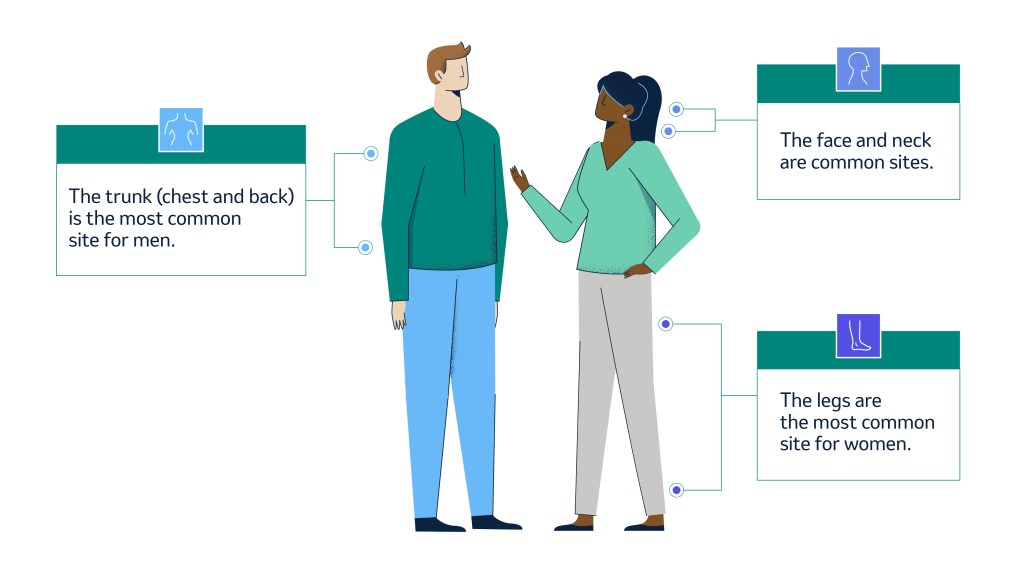
Exposure to ultraviolent (UV) radiation, either from the sun or other sources such as tanning beds and sunlamps, is a major risk factor for skin cancers, including melanoma. While melanoma can occur anywhere on the skin, including areas without sun exposure, it’s more likely to start in certain locations, like the face and neck, legs (most common in women), and chest and back (most common in men).

Illustration of man and woman. Notes indicate common locations of melanoma.

The risk of melanoma generally increases with age and incidence is greater among older populations. However, even among patients younger than 30 years, melanoma is one of the most common cancers, especially in young women.

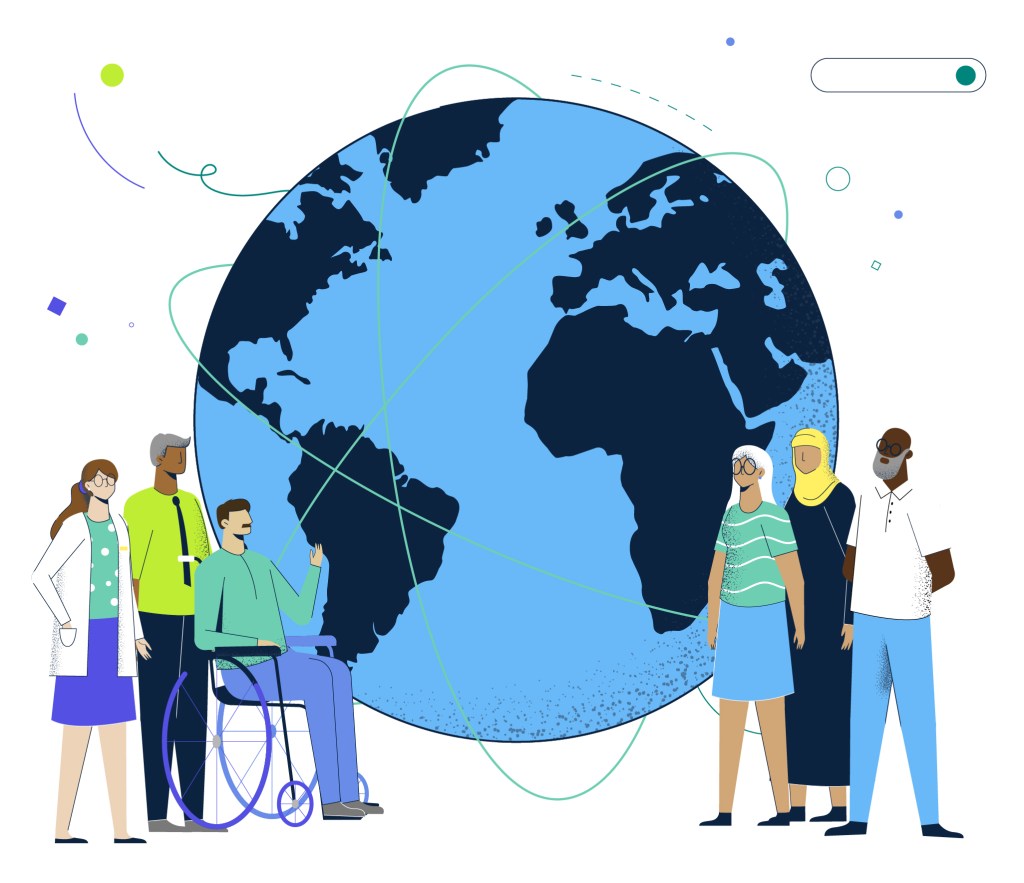
Worldwide, the melanoma diagnosis rate has risen over the past two decades

illustration of a globe and people

331,000+

Estimated number of new melanoma cases worldwide in 2022

Signs of cancerous moles

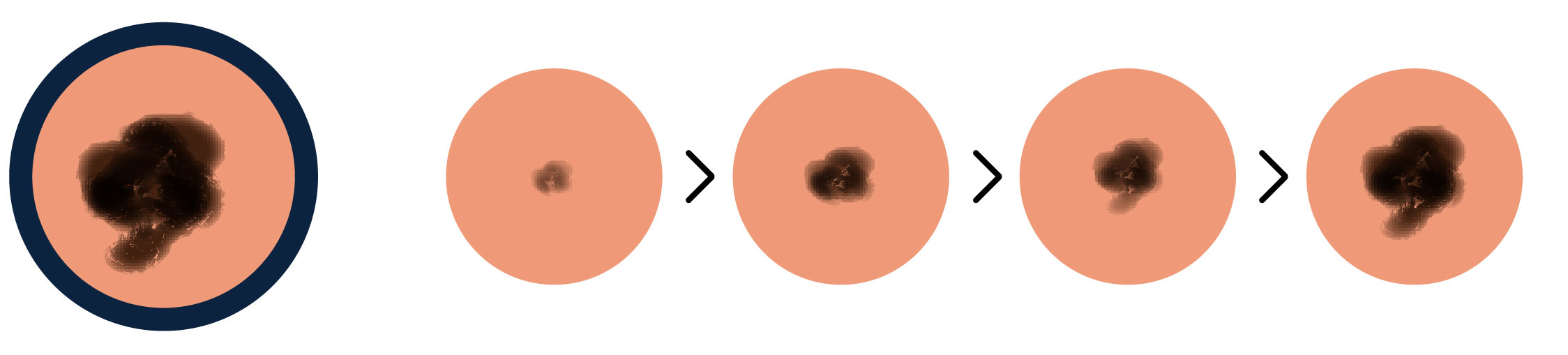
A new spot on the skin or a spot that is changing in size, shape or color, or one that looks different, is an important warning sign of melanoma and should be checked by a doctor. The ABCDE rule can be used as a guide to help identify the warning signs of melanoma:

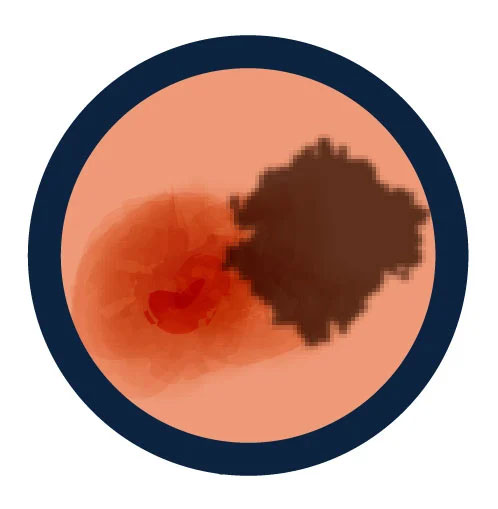
Illustration A is for Asymmetry

A is for Asymmetry

One half of a mole or spot does not match the other.

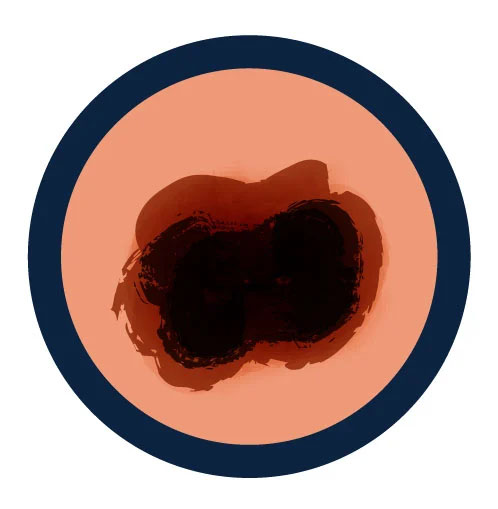
Illustration B is for Border

B is for Border

The edges of the spot are irregular, scalloped or poorly defined.

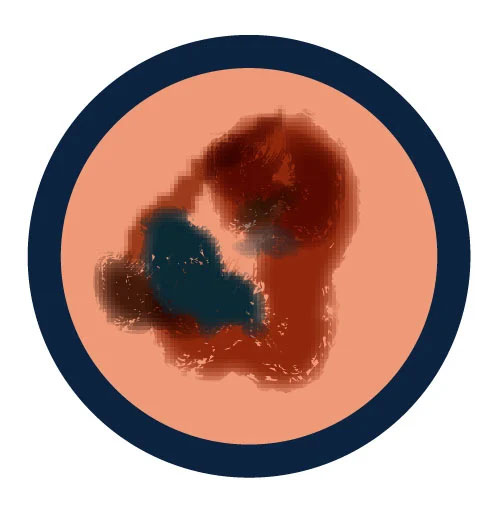
Illustration C is for Color

C is for Color

The color of the spot is not the same all over and may include different shades of brown or black, sometimes with patches of pink, red, white or blue.

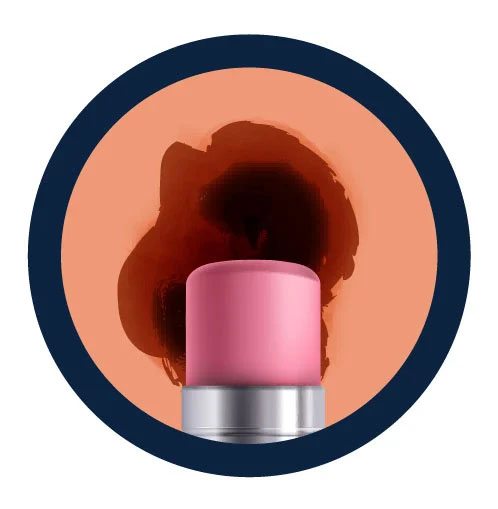
D is for Diameter

The spot is larger than 6 millimeters across. Melanoma is usually larger than 6 millimeters in size (about 1/4-inch or the size of a pencil eraser) when diagnosed. However, it can sometimes be smaller.

E is for Evolving

The mole is changing in size, shape or color.

Any of these warning signs should be discussed with a doctor, especially if you feel you’re at risk for melanoma.

Causes of melanoma

There are many risk factors and causes of melanoma, including:

  • UV light on your skin, such as from the sun or a tanning bed (the most common risk factor for most cases of melanoma)
  • Age — melanoma is more common in older people, but younger people are also at risk. Melanoma is one of the most common cancers in people younger than 30 years (especially among women)
  • Moles — having many moles, irregular or large moles, or atypical moles
  • Personal or family history — melanoma can be genetic and having a relative with melanoma can increase your risk
  • Fair skin or a fair complexion, a lot of freckles and/or light-colored hair and/or eyes

Ways to lower your risk of melanoma

Melanoma can’t be entirely prevented, but there are ways to lower your risk. The number one way to lower risk is to protect against UV rays, which damage the DNA of skin cells and impact the genes that control skin cell growth. That’s why it’s important to avoid tanning beds, booths, sunlamps and other artificial sources of UV radiation. However, the top source of UV rays is the sun. That’s why it’s important to practice sun safety every time you go outside, even on cloudy days when UV rays can still shine through. Here are a few ways to protect yourself:

illustration of beach chair and umbrella on the sand.
Seek shade

UV exposure is greatest between the hours of 10 a.m. and 4 p.m. If you need to be outside during these hours, seek shade.

illustration of person wearing a big beach hat
Wear a hat

Try to find a hat with a wide brim — at least 2 or 3 inches wide — to protect your face, top of the head, ears and neck.

illustration of man holding loose long sleeve shirt
Cover up

Choose clothing with a tight knit or weave and avoid shirts that you can see through. Remember, if light is getting through, UV rays are too.

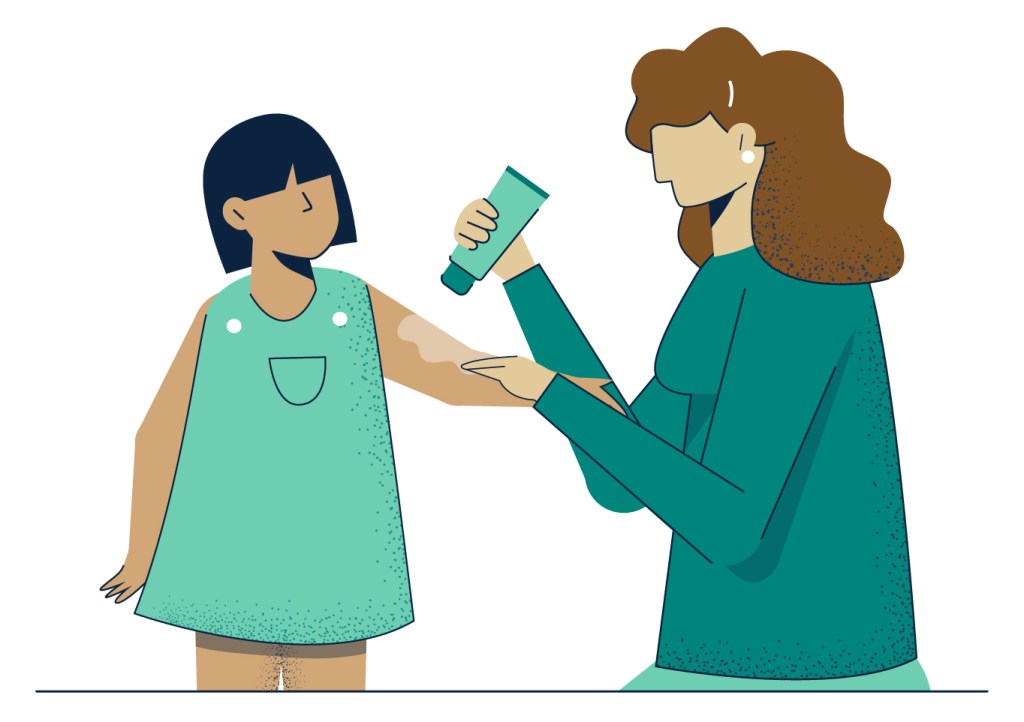
illustration of woman applying sunscreen to child
Use sunscreen

For extended outdoor activity, use a water-resistant, broad spectrum sunscreen with an SPF of 30 or higher.

illustration of hand holding sunglasses
Wear sunglasses

Protect your eyes and the sensitive skin around them. Pick a pair of sunglasses that will block as close to 100% of both UVA and UVB rays as possible.

Our People

A personal commitment to public health

Stories of research and clinical care from two leading experts in pneumococcal and pediatric infectious disease

March 19, 2025

Share this article

Facebook icon

.st0{fill:#00857C;} X icon

Linkedin icon

Email icon

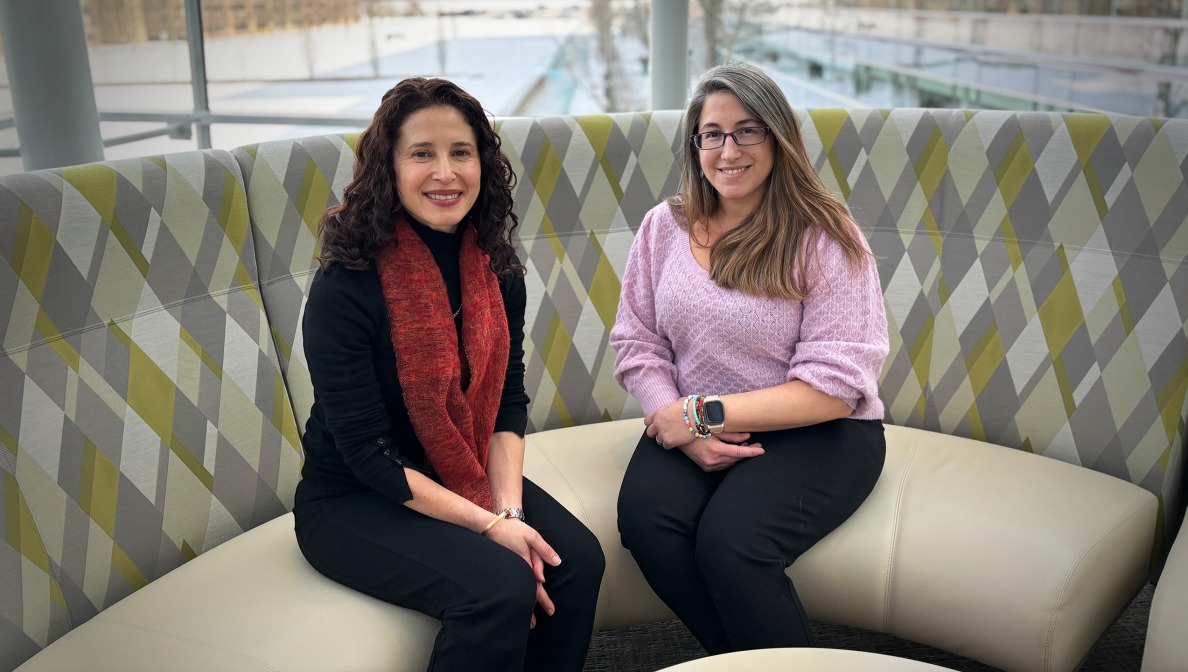
Dr. Wilck and Dr. Platt

Nearly all of us have caught a seasonal cold, but some infectious diseases can pose significant health risks. Research plays a critical role in advancing prevention and treatment strategies for infectious diseases.

Our researchers are at the forefront of scientific innovation, working to address the diseases that threaten our most vulnerable populations around the world. Heather Platt, M.D., and Marissa Wilck, M.D., two MSD scientists specializing in pneumococcal and pediatric infectious diseases, shared their journeys into medicine and their reflections on the critical role research plays in improving public health.

What drew you to a career in infectious disease research?

Dr. Wilck: “I grew up in rural South Africa and had to choose a career at 18. Knowing amazingly little about what it would encompass, I chose med school because of my love of science and wanted to do something meaningful with my life. In my clinical years, I saw infectious diseases all around me, which drove me to specialize in infectious diseases.”

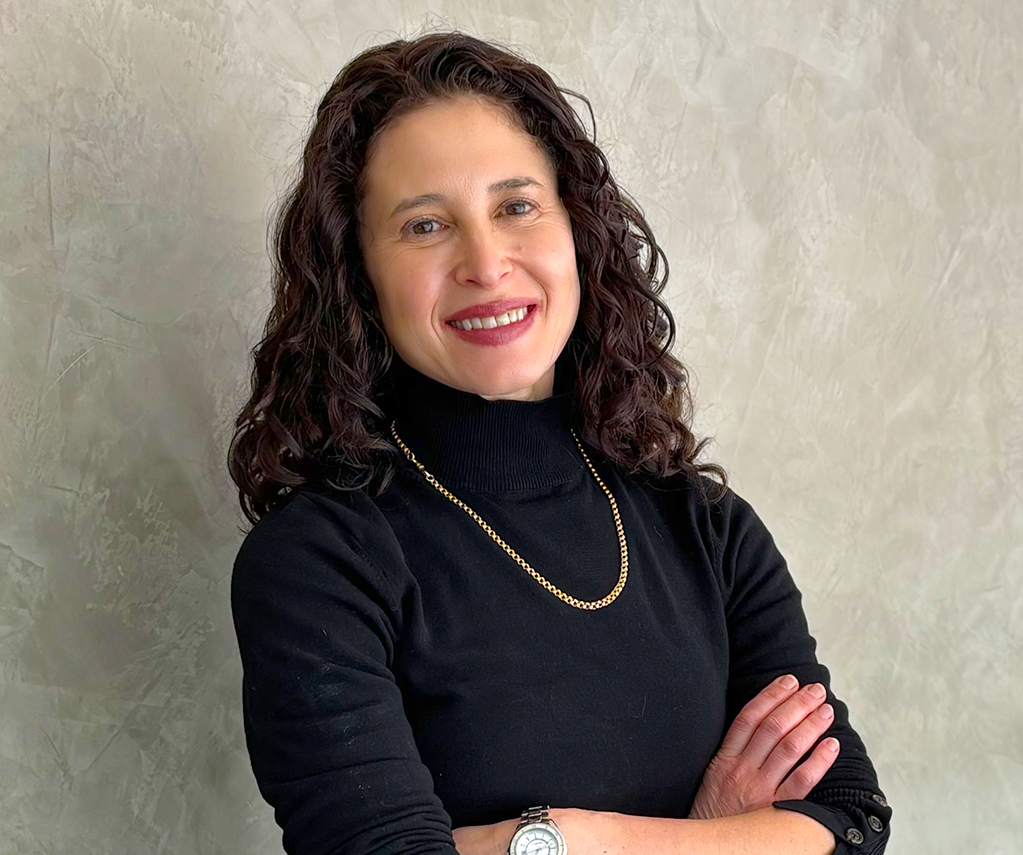
Dr. Marissa Wilck

Dr. Marissa Wilck

Dr. Platt: “I chose internal medicine for my residency because I loved learning the broad scope and it allowed me to explore a variety of interests, particularly in infectious diseases.

One of my first patients during my internship year was a 75-year-old lady who had pneumonia and was brought into the ICU because her blood pressure was starting to drop. Within an hour, she needed full support for breathing and blood pressure with central lines and intubation. That was a pivotal moment for me to understand the complexity and impact of infectious diseases like pneumococcal disease. I later completed a fellowship in infectious diseases and witnessed advancements that made me want to pursue research.”

Are there any common misconceptions about infectious diseases like pneumococcal disease that you aim to overcome?

Platt: “Anyone can get pneumococcal disease. You’re at increased risk depending on your age or certain medical conditions. Some people can become very ill, very quickly. I think Marissa and I have both seen serious cases of complications from pneumococcal disease, like pneumonia and meningitis.”

Wilck: “In my clinical years, I remember seeing previously healthy people becoming very sick with pneumococcal disease. I have a particular patient in mind that I think about; I remember looking at him and thinking, ‘How can this strong man who was healthy just two or three weeks ago get so sick from this bacteria?’

SEE ALSO: Facts about invasive pneumococcal disease and how infection spreads

A look at the numbers

  • Approximately 13.7 million people worldwide died from infectious diseases in 2019.
  • Infections such as pneumococcal disease can lead to potentially severe health issues, like pneumonia, sepsis and meningitis.
  • Pneumonia impacts millions of people worldwide each year.

What makes infectious disease research unique compared to other areas of medical research?

Wilck: “I find infectious disease research fascinating because it encompasses many aspects of human health and society. Infectious diseases affect everyone, and the social and economic impacts touch all communities. To me, this has reinforced the critical importance of researching prevention measures. We have the opportunity to make such a difference.”

How do we balance research in prevention versus treatment?

Dr. Heather Platt

Dr. Heather Platt

Platt: “There’s a lot of satisfaction that comes from knowing that you can be a part of preventing disease. But as infectious disease physicians, we see how prevention and treatment both have a role. Choosing to spend time on prevention strategies is as worthy as the time that our colleagues are spending on researching treatments for these diseases. We can put our collective heads together because we’re all fighting for the same thing.”

What inspires you about our team?

Wilck: “MSD has such a deep history and legacy in infectious disease research and innovation. As a team, we can make things happen in a way that we could never do as individuals. I’m proud to be part of that effort.”

Platt: “At MSD we have the opportunity to work in different therapeutic areas, and that allows me to appreciate the different elements of research that are needed in order to improve the burden of these infectious diseases. It isn’t just one product or one patient. Marissa and I have crisscrossed paths in our research in pneumococcal and pediatric infectious diseases at MSD, but we’ve both had the opportunity to positively contribute to public health. It’s an honor and a privilege to be a part of offering prevention options.”

We’ve been working to combat global health threats caused by infectious diseases for more than a century. Learn more about our work in infectious disease research.

Health awareness

VIDEO: Living with pulmonary arterial hypertension

One woman’s story shows the power of knowledge and support for patients with pulmonary arterial hypertension (PAH)

March 18, 2025

Share this article

Facebook icon

.st0{fill:#00857C;} X icon

Linkedin icon

Email icon

Pulmonary arterial hypertension (PAH) entered Colleen’s life unexpectedly. She was 35 when she noticed she became short of breath easily. She thought it was due to the weight she gained during her recent pregnancy. A year later, Colleen lost the weight but was still gasping for breath after climbing a few flights of stairs. Colleen wasn’t only feeling fatigued; she was worried. She’d later learn these were symptoms of PAH.

Colleen was first diagnosed with asthma, but her condition continued to worsen. She searched for an answer while daily tasks became more difficult. It took two and a half years for Colleen to be referred to a cardiologist who properly diagnosed her with PAH, one of the five different types of a broader condition called pulmonary hypertension (PH).

What is pulmonary arterial hypertension (PAH)?

PAH is a rare and life-threatening condition that progressively worsens. It is a type of high blood pressure in the small arteries of the lungs. This condition occurs when these vessels thicken, narrowing the space for blood to flow and leading to increased pressure in the pulmonary circulation. As a result, the right side of the heart must work harder to pump blood through these arteries. Over time, the right side of the heart can become weakened and lose function.

PAH has similar symptoms to other common lung diseases, such as asthma, which can make it difficult to diagnose.

Recognizing the signs and symptoms of PAH

The exact cause of PAH is unknown, and most people with PAH have no known family history of the disease. People may not notice any early-stage symptoms of PAH, but as the disease progresses, they may experience common symptoms, such as increased shortness of breath, peripheral edema (swelling of the feet and/or legs), fatigue, dizziness, fainting spells, and heart palpitations (racing heart).

PAH can hinder a person’s physical abilities and impact everyday tasks.

“Living with pulmonary arterial hypertension isn’t easy.”

  • Colleen, patient with PAH

“I had to purchase a scooter to do outside activities with my children. I couldn’t perform basic functions for myself and my family or make it to the sidelines of a baseball field to watch my son play. I was truly relegated to living on the sidelines myself. But through it all, I’ve never given up,” said Colleen.

Raising awareness for PAH

In addition to working with her doctor, Colleen found comfort through her support system. Since her diagnosis, Colleen has dedicated her life to raising awareness of PAH and helping others living with the disease. “It’s important for patients and the community to have knowledge and encourage each other. Whatever we can do to lift the community and spread awareness of this devastating disease is appreciated,” she added.

Colleen and friends holding sign that says "HOPE"